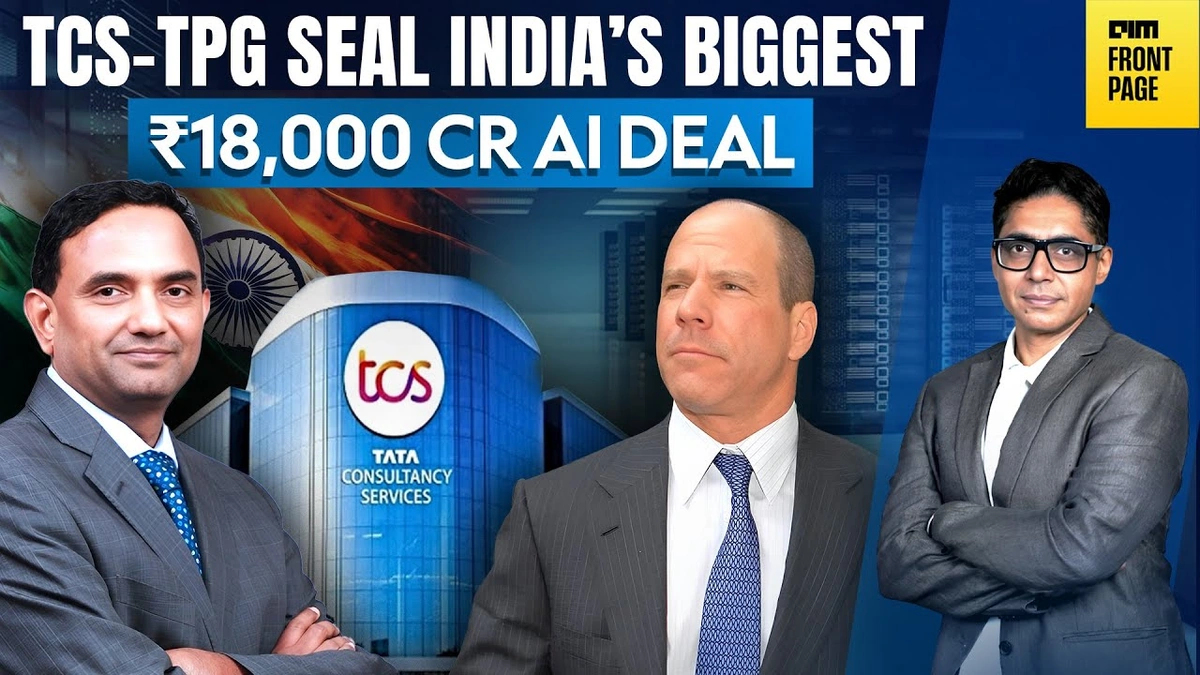
Ouch. That’s the first word that comes to mind when you hear that a US court has upheld a massive $194 million penalty against TCS , one of India’s tech giants. It’s not just about the money; it’s about what this means for TCS, the Indian IT sector, and the broader implications of intellectual property rights in a globalized world. Let’s be honest, these kinds of legal battles are rarely straightforward, and this one is no exception. What’s the real story here? And more importantly, why should you, sitting there sipping your chai, even care? Here’s the thing, this verdict shines a light on the intricate web of innovation, competition, and the legal frameworks that govern them. A $194 million penalty isn’t pocket change. This impacts investor confidence, future strategies, and how Indian IT companies approach international collaborations.
The Backstory | Why the Penalty?
So, let’s rewind a bit. This whole saga revolves around a trade secret lawsuit filed by Epic Systems, a US-based healthcare software company. Epic accused TCS of misappropriating its intellectual property to develop a competing platform. Now, these aren’t just lines of code we’re talking about; these are the very foundations of a company’s competitive advantage. A common mistake I see people make is assuming that intellectual property is some abstract concept. It’s not. It is about the core innovations that drive a business. The court initially ruled in favor of Epic Systems a while back, and TCS has been fighting it tooth and nail ever since. But, the recent ruling essentially says, “Nope, the original verdict stands.” The key here is understanding the nuances of trade secrets. They’re not patents, which are publicly disclosed. Trade secrets are confidential information that gives a business a competitive edge. Protecting them is paramount, and the penalties for stealing them can be severe.
What This Means for TCS | More Than Just Money
Obviously, a $194 million hit to the balance sheet isn’t ideal. But the implications extend far beyond the financial. This verdict casts a shadow on TCS’s reputation , potentially impacting its ability to win new contracts and partnerships in the US market. See, clients want to work with companies they trust, companies with a squeaky-clean image. And a legal battle of this magnitude? It raises questions. What fascinates me is how this might change TCS’s internal processes. Will they ramp up their due diligence when onboarding new employees who might have previously worked for competitors? Will they invest more heavily in technology to prevent intellectual property leaks? You bet they will. According to industry analysts, this case could set a precedent for future trade secret disputes involving Indian IT firms operating in the US. The legal landscape just got a little bit more complicated.
The Broader Impact | India’s IT Sector on Notice
This isn’t just a TCS problem; it’s an Indian IT sector problem. It serves as a stark reminder that intellectual property rights are serious business, especially in the US. Indian IT companies have built a global reputation for providing cost-effective and efficient services. But this case highlights the need to balance innovation with ethical practices. Let me rephrase that for clarity: cutting corners is never worth it. The risks are simply too high. What I initially thought was straightforward, but then I realized, it’s a wake-up call for the entire industry. It’s about fostering a culture of respect for intellectual property and investing in robust compliance programs. The Indian government and industry bodies will likely need to work together to create clearer guidelines and training programs to help companies navigate these complex legal waters. This impacts not only the big players like Tata Consultancy Services , but also smaller startups looking to expand into the US market.
Navigating the IP Minefield | Lessons Learned
So, what can we learn from all this? First, intellectual property protection is not optional; it’s a strategic imperative. Second, due diligence is key. Companies need to thoroughly vet new hires and ensure they’re not bringing any baggage with them – in the form of stolen trade secrets, that is. Third, compliance programs need to be more than just window dressing. They need to be actively enforced and regularly updated to reflect the evolving legal landscape. The one thing you absolutely must double-check on any project is the source of the code or technology being used. Make sure it’s clean, legitimate, and doesn’t infringe on anyone else’s rights. This challenge isn’t unique to the tech sector; it applies across all industries that rely on innovation and intellectual capital. And it’s something that Indian companies need to take seriously if they want to compete on the global stage.
But, it’s important to note that TCS is exploring further legal options and firmly believes it has a strong case. This legal battle is far from over. The case also brings into focus trade secret laws and their enforcement across different jurisdictions. The nuances of international law and the challenges of proving intellectual property theft across borders are complex and require careful consideration. According to various reports, TCS plans to appeal the decision. So the next few months will be crucial in determining the final outcome of this case.

Future Implications and Cybersecurity Risks
In the wake of the US court’s decision, Indian IT companies must also bolster their cybersecurity measures to protect their and their clients’ intellectual property from theft and misuse. As per the guidelines mentioned in various cybersecurity frameworks, companies need to implement robust data encryption, access controls, and continuous monitoring to prevent unauthorized access to sensitive information. Failure to do so could lead to severe financial and reputational damage. And it also includes adapting to international regulations and compliance, and understanding the nuances of international laws and regulations related to intellectual property, data protection, and cybersecurity.
This also affects business process outsourcing (BPO) companies. BPO firms should implement stringent protocols to manage and protect client data, ensuring compliance with international standards such as GDPR and HIPAA. They should also conduct regular audits to identify and mitigate potential risks.
Ultimately, this case is a critical lesson for all businesses: innovation must be ethical, and respect for intellectual property is non-negotiable. The stakes are simply too high. This is very important for digital transformation initiatives as well. It is about a fundamental shift in mindset, a commitment to doing things the right way, even when it’s not the easiest way.
This incident also highlights the importance of implementing comprehensive data loss prevention (DLP) strategies to safeguard sensitive information and prevent unauthorized data exfiltration.
The intersection of technology, law, and ethics is only going to become more complex. Companies that can navigate this landscape successfully will be the ones that thrive in the long run.
FAQ
What exactly is a trade secret?
A trade secret is confidential information that gives a business a competitive edge. It’s not publicly known and is actively protected by the company.

How does this affect other Indian IT companies?
It serves as a reminder of the importance of respecting intellectual property rights and investing in robust compliance programs.
What is TCS doing in response to the verdict?
TCS is exploring further legal options, including a potential appeal.
What steps can companies take to prevent similar issues?
Companies should conduct thorough due diligence, implement robust compliance programs, and foster a culture of respect for intellectual property.
What are the potential long-term consequences for TCS?
Potential impacts include reputational damage, difficulty winning new contracts, and increased scrutiny from clients.
Is this the end of the road for TCS in this case?
Not necessarily. TCS is pursuing further legal avenues, and the final outcome remains to be seen.
Disclaimer: ऊपर दिए गए विचार और सिफारिशें व्यक्तिगत विश्लेषकों या ब्रोकिंग कंपनियों की हैं, न कि "Finance Ghar" की। हम निवेशकों को सलाह देते हैं कि किसी भी निवेश निर्णय लेने से पहले प्रमाणित विशेषज्ञों से परामर्श करें। निवेश में जोखिम होता है और सही जानकारी के बिना निर्णय लेना हानिकारक हो सकता है।