The air is getting crisper, the lights are going up, and the aroma of sweets is wafting from every corner. It’s that time of year again – festival season in India ! But this year, it feels different, doesn’t it? There’s an almost palpable buzz in the air, a sense of optimism that’s translating into some serious spending. We’re talking a whopping Rs 6 lakh crore festival shopping boom , and the big question is: what’s fueling this surge?
The answer, in part, lies in a strategic move by the government – a well-timed tax cut. But, let’s be honest, it’s more than just that. What fascinates me is how this seemingly simple policy tweak has unleashed a wave of consumer confidence and pent-up demand. Let’s dive into why this festive spending is not just good news, but a potential game-changer for the Indian economy.
Decoding the Modi Tax Cut | More Than Meets the Eye
Okay, so the Modi government introduced a tax cut. Big deal, right? Well, here’s the thing: the impact of a tax cut isn’t always immediate or guaranteed. People need to feel confident enough to spend that extra money. This time around, it seems to have worked like a charm. Why? Because it tapped into a pre-existing reservoir of desire – the desire to celebrate, to indulge, and to reconnect after a period of relative austerity.
Think about it. The past few years have been… challenging, to say the least. From the pandemic to economic uncertainties, many families tightened their belts. Now, with a bit more disposable income in hand, there’s a collective urge to make up for lost time. And that’s precisely what’s happening. The tax cut acted as a catalyst, but the real fuel was the pent-up demand and the desire to partake in the Indian festive season with renewed enthusiasm.
The ‘Feel-Good’ Factor | How Sentiment Drives Spending
Let’s be real: economics isn’t always about cold, hard numbers. It’s also about psychology. The ‘feel-good’ factor plays a massive role in driving consumer spending. When people feel optimistic about the future – their jobs, their incomes, the overall state of the economy – they’re more likely to open their wallets.
And right now, despite global headwinds, there’s a sense of resilience in the Indian economy. The tax cut reinforced this sentiment, signaling that the government is willing to take measures to support growth and encourage spending. It’s like a positive feedback loop: the tax cut boosts confidence, which leads to increased spending, which further strengthens the economy, and so on. This is why analysts are closely watching indicators like retail sales during festivals .

Beyond the Big Cities | The Rural Consumption Story
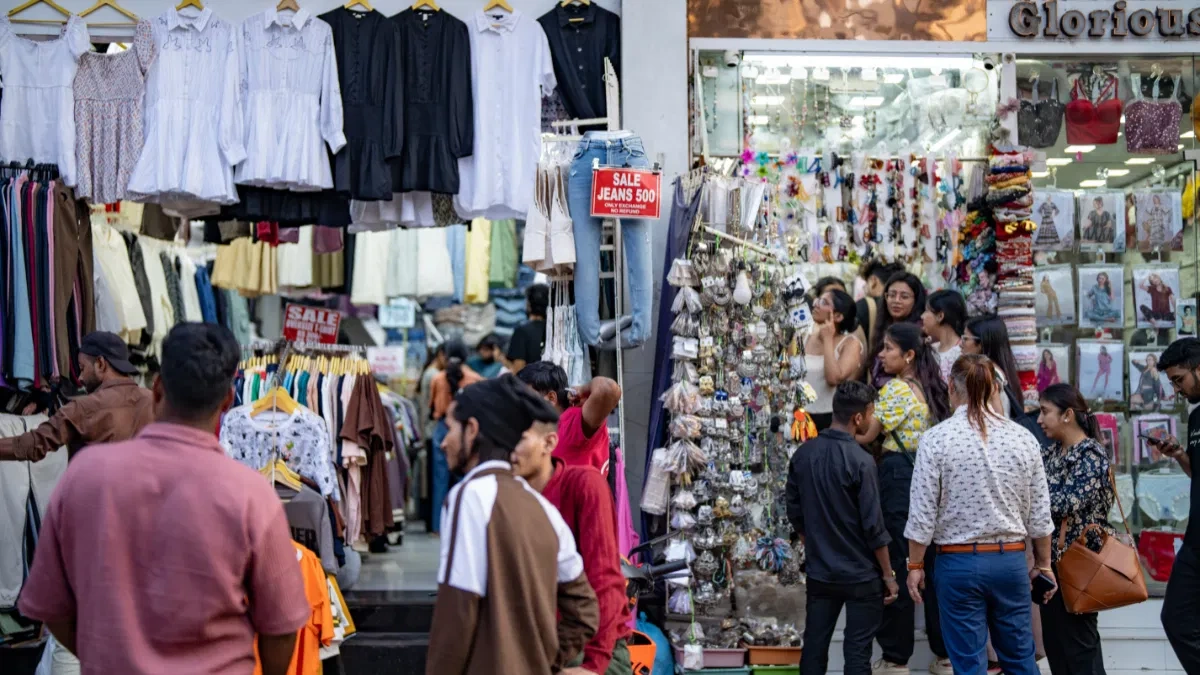
We often hear about the booming consumption in India’s major cities, but what about the rural areas? Here’s where the story gets even more interesting. A significant portion of this festival shopping boom is being driven by rural demand. Agriculture has had a relatively good year, and government schemes aimed at supporting rural incomes are starting to bear fruit. Small business are seeing a huge growth as well, which contributes to the economy.
What this means is that the benefits of economic growth are starting to trickle down to the grassroots level. People in smaller towns and villages are now able to afford things they couldn’t before – from new clothes and appliances to motorcycles and smartphones. This widespread participation in the Diwali shopping season makes the boom more sustainable and inclusive.
The Road Ahead | Can This Momentum Last?
So, we’re in the midst of a Rs 6 lakh crore festival shopping boom . The question is: can this momentum last? That’s the million-dollar question, isn’t it? While the current situation looks promising, several factors could influence the trajectory of consumer spending in the coming months.
Global economic conditions, inflation, and geopolitical uncertainties could all play a role. However, the underlying factors driving this boom – increased disposable income, improved consumer confidence, and the ‘feel-good’ factor – are likely to persist, at least in the short term. The government must continue to focus on policies that support economic growth and ensure that the benefits reach all sections of society. And, businesses need to adapt to meet the evolving needs and preferences of Indian consumers. According to the LiveMint , businesses are expecting an even larger boom this year.
Ultimately, the success of this economic boost will depend on a collective effort – from the government and businesses to individual consumers. It’s a story that’s still unfolding, and I, for one, am excited to see how it plays out. PSU defence stock are also rising.
FAQ Section
Frequently Asked Questions About the Festival Shopping Boom
What exactly is driving this festival shopping boom?
Several factors are contributing, including a recent tax cut by the government, increased consumer confidence, and pent-up demand after a period of economic uncertainty.

Is this boom only happening in big cities?
No, a significant portion of the demand is coming from rural areas, where improved agricultural incomes and government schemes are boosting purchasing power.
How long is this Diwali shopping season expected to last?
While it’s difficult to say for certain, the underlying factors driving the boom are likely to persist in the short term, but external factors could influence long-term trends.
What sectors are benefiting the most from this surge in spending?
Retail, consumer durables, automobiles, and e-commerce are all experiencing strong growth during this economic boost .
Could inflation dampen this festive spirit?
Potentially, yes. Rising inflation could erode purchasing power and lead to a slowdown in spending. It’s something to keep a close eye on.
So, there you have it. A deeper dive into what’s fueling this Rs 6 lakh crore festival shopping boom . It’s not just about the numbers; it’s about the hopes, aspirations, and the collective spirit of a nation celebrating together. And that, my friends, is something truly special.
Disclaimer: ऊपर दिए गए विचार और सिफारिशें व्यक्तिगत विश्लेषकों या ब्रोकिंग कंपनियों की हैं, न कि "Finance Ghar" की। हम निवेशकों को सलाह देते हैं कि किसी भी निवेश निर्णय लेने से पहले प्रमाणित विशेषज्ञों से परामर्श करें। निवेश में जोखिम होता है और सही जानकारी के बिना निर्णय लेना हानिकारक हो सकता है।