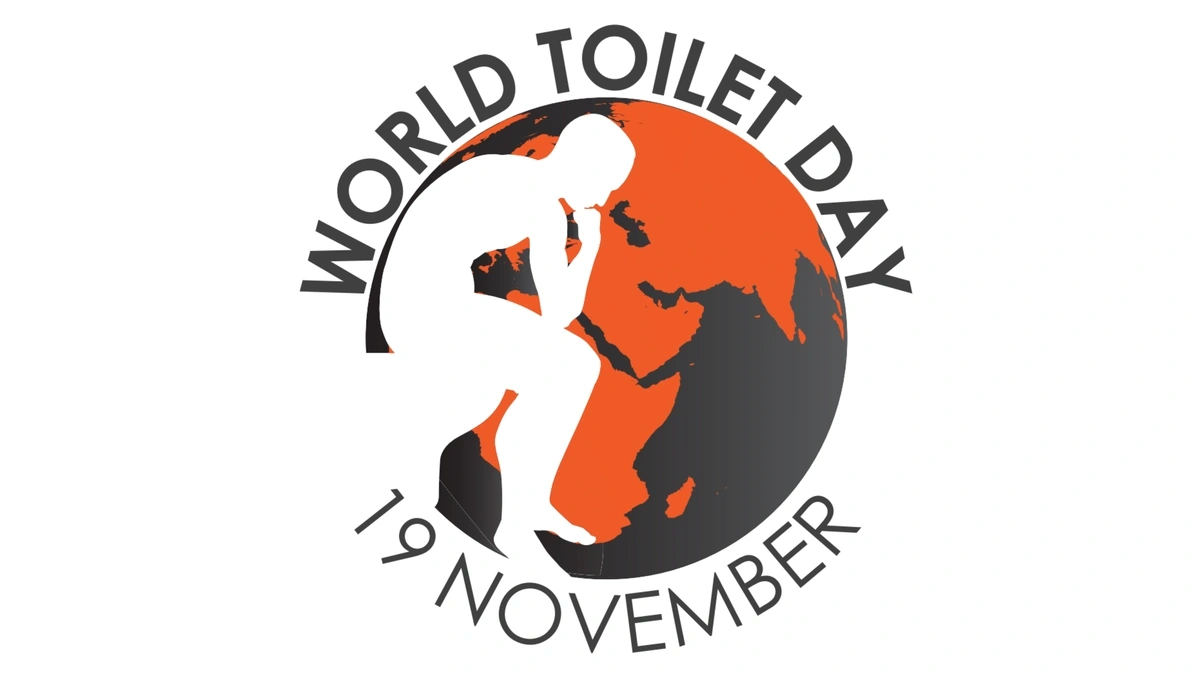
Let’s be honest, World Toilet Day isn’t exactly the kind of thing that trends on social media. But, here’s the thing: it should. We’re talking about basic human dignity, public health, and a surprisingly strong link to India’s economic progress. I initially thought it was a bit of a niche topic, until I dove deeper. What I found was genuinely shocking and, frankly, motivating.
The Staggering Statistics (and Why They Should Outrage You)
Okay, let’s get the numbers out of the way. Globally, billions lack access to safe sanitation. But in India, the impact is particularly acute. We’re not just talking about inconvenience; we’re talking about disease, lost productivity, and a cycle of poverty that’s hard to break. The lack of proper sanitation disproportionately affects women and girls, impacting their education and safety. Think about that for a second. According to the UN , open defecation and poor sanitation spread diseases like cholera, diarrhea, and typhoid. These diseases disproportionately affect children, leading to stunted growth and impaired cognitive development. It’s a vicious cycle.
Beyond the Swachh Bharat Mission: What’s Still Missing?
The Swachh Bharat Mission has undoubtedly made progress in improving sanitation coverage. But, and this is a big ‘but,’ simply building toilets isn’t enough. We need to talk about behavior change, about ensuring toilets are used and maintained properly, and about addressing the persistent issue of manual scavenging. A common mistake I see is assuming that infrastructure alone solves the problem. It doesn’t. Let me rephrase that for clarity – infrastructure is only part of the solution. We need to invest in education, awareness campaigns, and community-led initiatives to truly transform sanitation practices. Check this related article.
The Economic Impact: Sanitation as an Engine for Growth
What fascinates me is the often-overlooked economic impact of sanitation. Studies have shown that poor sanitation leads to significant economic losses due to healthcare costs, lost productivity, and decreased tourism. Investing in sanitation, on the other hand, can unlock economic potential. Improved health leads to a more productive workforce, reduced healthcare burden, and a more attractive environment for investment and tourism. It’s a no-brainer, really. Sanitation and hygiene are fundamental to the Indian economy.

Empowering Women Through Improved Sanitation
This is where the emotional angle hits home. Imagine being a woman or girl who has to walk long distances in the dark to find a place to relieve herself. Imagine the fear, the indignity, the risk of assault. Safe and accessible toilets aren’t just about hygiene; they’re about safety, dignity, and empowerment. Providing women and girls with access to safe sanitation is an investment in their health, education, and economic opportunities. It’s about creating a society where everyone can thrive. Gender equality hinges on sanitation.
What Can You Do? From Awareness to Action
So, what can you, sitting there reading this, actually do? Plenty. Start by talking about it. Share this article. Raise awareness in your community. Support organizations working to improve sanitation. And, perhaps most importantly, hold your elected officials accountable. Demand that they prioritize sanitation and invest in sustainable solutions. According to the latest report from the Ministry of Jal Shakti, community participation is crucial for the long-term success of sanitation programs. Let’s be honest – change starts with us. Let’s all be a part of the solution to global sanitation challenges, ensuring a clean and hygienic environment for all.
FAQ
Why is World Toilet Day celebrated?
It raises awareness about the billions of people worldwide living without access to safe sanitation.
What are the main challenges to achieving universal sanitation in India?
Behavior change, infrastructure maintenance, and addressing manual scavenging are key challenges.

How does poor sanitation affect women and girls?
It impacts their safety, education, and economic opportunities.
What role does the Swachh Bharat Mission play?
It has improved sanitation coverage but needs to be complemented by other interventions. Sustainable sanitation solutions are key to the mission’s success.
How can I contribute to improving sanitation?
Raise awareness, support organizations, and hold elected officials accountable.
Disclaimer: ऊपर दिए गए विचार और सिफारिशें व्यक्तिगत विश्लेषकों या ब्रोकिंग कंपनियों की हैं, न कि "Finance Ghar" की। हम निवेशकों को सलाह देते हैं कि किसी भी निवेश निर्णय लेने से पहले प्रमाणित विशेषज्ञों से परामर्श करें। निवेश में जोखिम होता है और सही जानकारी के बिना निर्णय लेना हानिकारक हो सकता है।