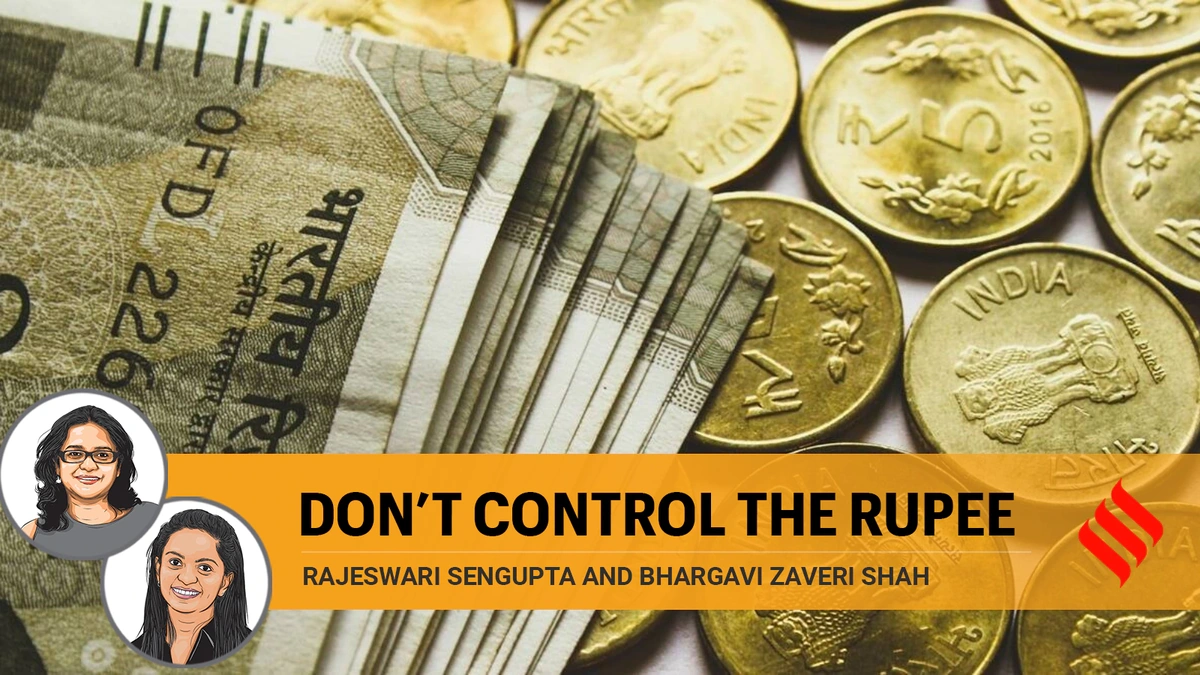
The Indian Rupee’s recent surge against the dollar – closing at 89.23 after some decisive RBI intervention – isn’t just a number. It’s a signal. But what does it really mean for you, the average person navigating the complexities of the Indian economy? Forget the headlines for a second. Let’s dive deeper. I initially thought it was just another blip, but then I started digging into the RBI’s forex reserves . And what I found surprised me.
Decoding the RBI’s Playbook | Why Intervention Matters

So, the Rupee is flexing its muscles. Great! But why is the Reserve Bank of India (RBI) stepping in? Here’s the thing: a wildly fluctuating Rupee can throw a wrench in the gears of our entire economy. Think about it – India relies heavily on imports. A weaker Rupee makes everything from crude oil to smartphones more expensive. That, in turn, fuels inflation, hitting your pocket directly. According to recent data from the Ministry of Finance, import costs have a significant impact on domestic inflation rates. To counter this, the RBI uses its arsenal of monetary policy tools, including buying and selling US dollars in the forex market. This action is often referred to as currency intervention . The goal? To smooth out volatility and ensure a stable economic environment.
The RBI doesn’t want the Rupee to be too strong either. A too-strong Rupee hurts Indian exporters, making their goods less competitive in the global market. It’s a delicate balancing act, a tightrope walk between supporting growth and controlling inflation. A common mistake I see people make is thinking that a strong Rupee is always good. It’s not that simple! Let me rephrase that for clarity: the optimal Rupee level is one that supports both import and export activity, fostering a healthy trade balance.
The Ripple Effect | How This Impacts Your Wallet
Okay, so the RBI is playing its game. But how does this impact your daily life? Well, consider this: A stable Rupee can translate to lower prices for imported goods. That means potentially cheaper electronics, maybe even a slight dip in fuel prices (though global oil prices play a bigger role there, let’s be honest). More importantly, a stable economy fosters a sense of confidence. Businesses are more likely to invest and expand when they’re not constantly worried about currency fluctuations. This can lead to job creation and increased economic activity. But, it’s not a one-way street. If the RBI’s intervention isn’t effective, or if global factors outweigh its efforts, we could still see inflationary pressures and economic uncertainty.
What fascinates me is how interconnected everything is. The Indian economy doesn’t exist in a vacuum. Global events, like the US Federal Reserve’s interest rate decisions, or geopolitical tensions, can all have a significant impact on the Rupee’s value. The RBI has to constantly monitor these external factors and adjust its policies accordingly. And that’s what makes it so interesting! Vande Mataram Inspiration for this stability.

Looking Ahead | What to Watch For
So, what’s next? Keep an eye on a few key indicators. The RBI’s monetary policy statements will offer clues about its future course of action. Also, track global oil prices and the US dollar’s performance against other major currencies. These factors can all influence the Rupee’s trajectory . As per the guidelines mentioned in the information bulletin from RBI, transparency is vital. More importantly, pay attention to what the experts are saying. Reputable financial analysts offer valuable insights into market trends and potential risks. Remember, knowledge is power. The more informed you are, the better equipped you’ll be to navigate the ever-changing economic landscape. This is how US Fed Rate Cut helps.
Investment strategies during Rupee volatility
Navigating investment strategies during times of Rupee volatility requires a balanced and informed approach. The most important thing to remember is that diversification is key. Spreading your investments across different asset classes like stocks, bonds, and gold can help mitigate risks associated with currency fluctuations. For instance, when the Rupee weakens, investments in export-oriented companies may yield better returns as their products become more competitive in the global market. Similarly, consider investing in companies with significant foreign currency earnings, as they stand to benefit from a weaker Rupee. On the other hand, if you anticipate the Rupee strengthening, it might be prudent to invest in companies that import raw materials or finished goods, as their costs will decrease. It’s also crucial to stay updated on global economic trends and the policies of the Reserve Bank of India (RBI), as these factors significantly influence the Rupee’s trajectory. Remember, consulting with a financial advisor can provide tailored advice based on your risk tolerance and investment goals. A common mistake I see people make is putting all their eggs in one basket without considering the broader economic landscape. Let me rephrase that for clarity: a well-diversified portfolio acts as a buffer against the uncertainties of currency markets, ensuring long-term financial stability.
And the Indian financial market is volatile, so keep a close eye on it.
Understanding the Impact of Inflation on Rupee Value
Inflation plays a critical role in determining the value of the Rupee. High inflation erodes the purchasing power of the Rupee , leading to its depreciation in the foreign exchange market. When inflation is high, goods and services become more expensive, and the real return on investments decreases, making the Rupee less attractive to foreign investors. Conversely, lower inflation rates generally support the value of the Rupee , as it signals a stable and growing economy. The Reserve Bank of India (RBI) closely monitors inflation rates and uses monetary policy tools to keep it within a targeted range. For instance, the RBI may increase interest rates to curb inflation, which in turn makes the Rupee more attractive to foreign investors, potentially leading to appreciation. However, it’s a delicate balancing act, as excessively high interest rates can stifle economic growth. Additionally, it’s crucial to differentiate between cost-push inflation (driven by rising production costs) and demand-pull inflation (driven by increased demand), as each requires different policy responses. A common mistake I see people make is viewing inflation in isolation without considering other economic factors. Let me rephrase that for clarity: a holistic understanding of inflation, coupled with insights into RBI policies and global economic trends, is essential for making informed decisions about the Rupee’s future trajectory.
FAQ Section
Frequently Asked Questions
What exactly does RBI intervention mean?
It means the RBI is buying or selling US dollars to influence the Rupee’s value in the forex market.

How often does the RBI intervene?
It varies depending on market conditions. They intervene when they believe it’s necessary to maintain stability.
Will the Rupee continue to strengthen?
That’s tough to predict! It depends on a multitude of factors, including global economic trends and RBI policy.
How can I protect my savings from Rupee volatility?
Diversify your investments and consider consulting with a financial advisor for personalized advice.
So, there you have it. The Rupee’s rise isn’t just a headline. It’s a complex story with real implications for your life. Stay informed, stay curious, and remember – economic literacy is your best defense in a constantly changing world.
Disclaimer: ऊपर दिए गए विचार और सिफारिशें व्यक्तिगत विश्लेषकों या ब्रोकिंग कंपनियों की हैं, न कि "Finance Ghar" की। हम निवेशकों को सलाह देते हैं कि किसी भी निवेश निर्णय लेने से पहले प्रमाणित विशेषज्ञों से परामर्श करें। निवेश में जोखिम होता है और सही जानकारी के बिना निर्णय लेना हानिकारक हो सकता है।