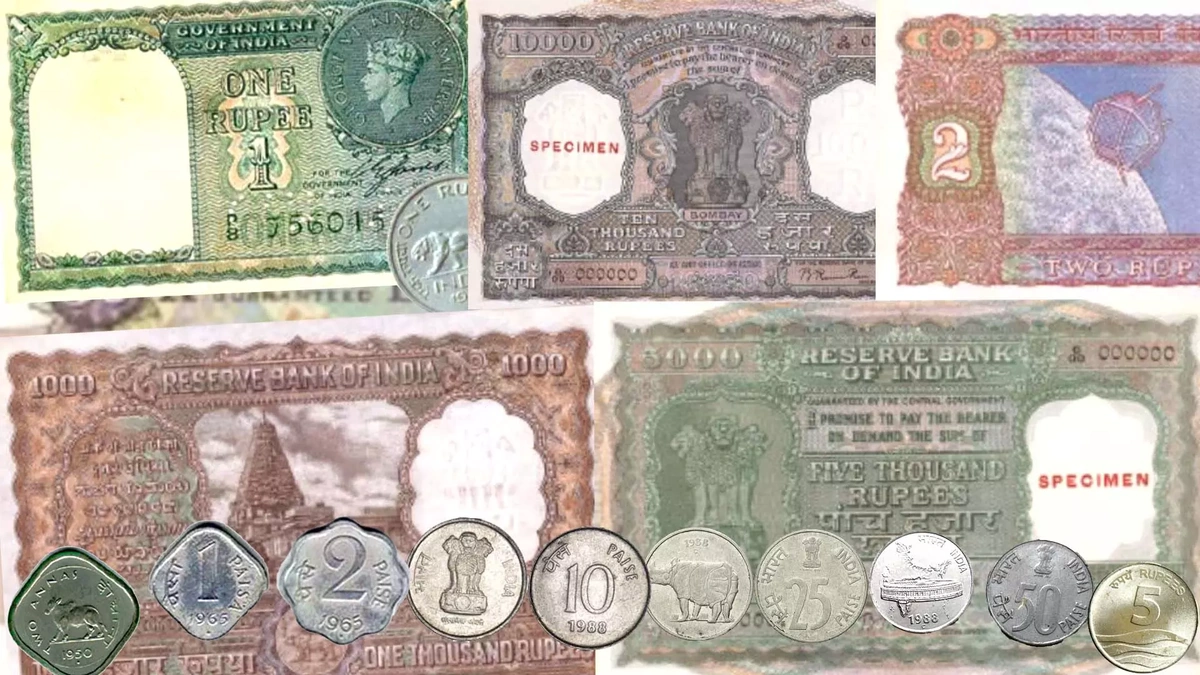
Okay, so you’ve probably seen the headline: “Rupee vulnerable to losses.” Big deal, right? News flashes like that hit us every other day. But here’s the thing: why should you, sitting in your chai-sipping spot in Bangalore or managing your finances in Mumbai, actually care? Let’s dive deeper. This isn’t just about numbers; it’s about understanding what impacts your wallet directly. The Indian Rupee’s movements against the dollar affect everything from the price of imported gadgets to your foreign vacation budget.
Decoding the “Vulnerable” Tag | Why Now?
First, let’s unpack “vulnerable to losses.” It’s finance-speak for “things could get worse.” But why now? Several factors usually gang up on a currency. We’re talking about global economic jitters – like potential recessions in major economies – changes in investor sentiment, and India’s own economic data. Remember that feeling when your favorite team is down a few goals? The market feels that too. Specifically, the article mentions bonds eyeing liquidity and growth data. Liquidity refers to how easily assets can be bought or sold. Low liquidity can make things volatile. Growth data gives an indication of the health of the economy. Stagnant or declining figures can rattle investor confidence and put downward pressure on the rupee value .
What fascinates me is how these factors interplay. It’s not just one bad data point; it’s the combination that creates the perfect storm. Think of it like building a Jenga tower – each block (economic indicator) seems okay on its own, but when you remove the wrong one, the whole thing wobbles. The Indian bond market is a critical player here. A surge in government bond yields, for instance, can make holding rupees less attractive to foreign investors. They might decide to pull their money out and invest it elsewhere, leading to a sell-off of the Indian currency.
The Bond Market’s Gaze | More Than Just Numbers
Now, the bit about bonds “eyeing” data. That’s a human way of describing market activity, but it’s apt. Bond traders are basically professional worriers, constantly assessing risks. They’re scrutinizing indicators like inflation figures, industrial production numbers, and government borrowing plans. If inflation is higher than expected, or if the government plans to borrow a lot of money, bond yields tend to rise. And that, as we’ve seen, can weaken the Indian currency.
But, let’s be honest, reading economic data is about as thrilling as watching paint dry. So how do bond traders actually use this stuff? They’re looking for clues about the future. Will the Reserve Bank of India (RBI) raise interest rates to combat inflation? Will economic growth accelerate, making Indian assets more appealing? Their expectations shape their actions, and their actions influence the exchange rate between the rupee and other currencies. For example, if the RBI signals a more hawkish stance on inflation (meaning they’re likely to raise rates), this could strengthen the rupee by attracting foreign investment. A common mistake I see people make is underestimating the power of central bank communication. It’s not just about the numbers; it’s about the narrative.
Impact on Your Wallet | From Petrol Prices to Foreign Trips
So, what does all this mean for you? The most immediate impact is likely on imported goods. A weaker rupee makes imports more expensive. This could translate to higher prices for electronics, imported food items, and even petrol. Filling up your tank might pinch a little more than usual. And if you’re planning that dream trip to Europe? Well, your rupees won’t stretch as far. You’ll need more of them to buy the same amount of euros or dollars. On the flip side, a weaker rupee can be good news for Indian exporters. It makes their goods more competitive in the global market. If you work in the export sector, you might see a boost in demand. The [ Internal Link Pool ] could also influence foreign investments.

Let me rephrase that for clarity. The relationship between the INR and the economy is complex. A weaker rupee can stimulate exports, but it can also fuel inflation. The RBI has to walk a tightrope, balancing the need to support growth with the need to maintain price stability. According to the latest data on the RBI website, India’s foreign exchange reserves are still substantial, providing a buffer against sharp currency fluctuations. As per the guidelines mentioned in the information bulletin, the RBI intervenes in the currency market to curb excessive volatility. However, these interventions are not always successful, especially when global factors are at play.
Navigating the Volatility | Practical Tips for Indians
Okay, enough with the doom and gloom. What can you actually do about it? Here’s the thing: you can’t control the global economy, but you can manage your own finances wisely. A common mistake I see people make is panicking and making rash decisions based on short-term market fluctuations. Here are a few tips:
- Diversify your investments: Don’t put all your eggs in one basket. Consider investing in a mix of assets, including stocks, bonds, and real estate.
- Budget carefully: Track your spending and identify areas where you can cut back. This is especially important if you rely on imported goods.
- Plan your foreign trips in advance: If you’re planning a trip abroad, buy foreign currency when the rupee is relatively strong.
- Stay informed: Keep an eye on economic news and trends. This will help you make informed decisions about your finances.
The business news can sometimes be overwhelming, so don’t hesitate to seek advice from a financial advisor. They can help you create a personalized financial plan that takes into account your individual circumstances and risk tolerance.
Ultimately, the rupee’s performance is a reflection of India’s economic health and its position in the global economy. While short-term fluctuations are inevitable, the long-term trend is likely to be upward, driven by India’s strong growth potential. India’s Economic growth is a key component in the stability of the rupee.
So, the next time you see a headline about the rupee being “vulnerable,” don’t just shrug it off. Take a moment to understand what’s happening and how it might affect you. Because in today’s interconnected world, even a small currency fluctuation can have a ripple effect that reaches your wallet. And remember, knowledge is power. The more you understand about the economy, the better equipped you’ll be to navigate the ups and downs of the financial markets. Don’t forget to follow expert advice .
FAQ Section
What if the Rupee continues to weaken?
If the rupee continues its downward trend, expect imported goods to become pricier, potentially fueling inflation. The RBI might intervene by selling dollars to stabilize the currency, but the long-term impact depends on various factors like global economic conditions and investor sentiment.

How does the bond market influence the Rupee?
The bond market plays a significant role. Higher bond yields (interest rates) can attract foreign investment, strengthening the rupee. Conversely, lower yields can make the rupee less attractive, leading to potential depreciation.
What are the key economic indicators to watch?
Keep an eye on inflation figures (CPI and WPI), GDP growth rate, industrial production, and the RBI’s monetary policy announcements. These indicators provide insights into the health of the Indian economy and the likely direction of the rupee.
Will a weaker Rupee affect my investments?
It depends on your portfolio. If you have significant exposure to international assets, a weaker rupee can boost their value in rupee terms. However, it can also increase the cost of importing goods needed for domestic businesses, potentially impacting their profitability.
Is there anything an average person can do to protect their finances?
Diversify your investments, budget wisely, and plan your foreign currency purchases in advance. Stay informed about economic trends and consult a financial advisor for personalized guidance.
Disclaimer: ऊपर दिए गए विचार और सिफारिशें व्यक्तिगत विश्लेषकों या ब्रोकिंग कंपनियों की हैं, न कि "Finance Ghar" की। हम निवेशकों को सलाह देते हैं कि किसी भी निवेश निर्णय लेने से पहले प्रमाणित विशेषज्ञों से परामर्श करें। निवेश में जोखिम होता है और सही जानकारी के बिना निर्णय लेना हानिकारक हो सकता है।