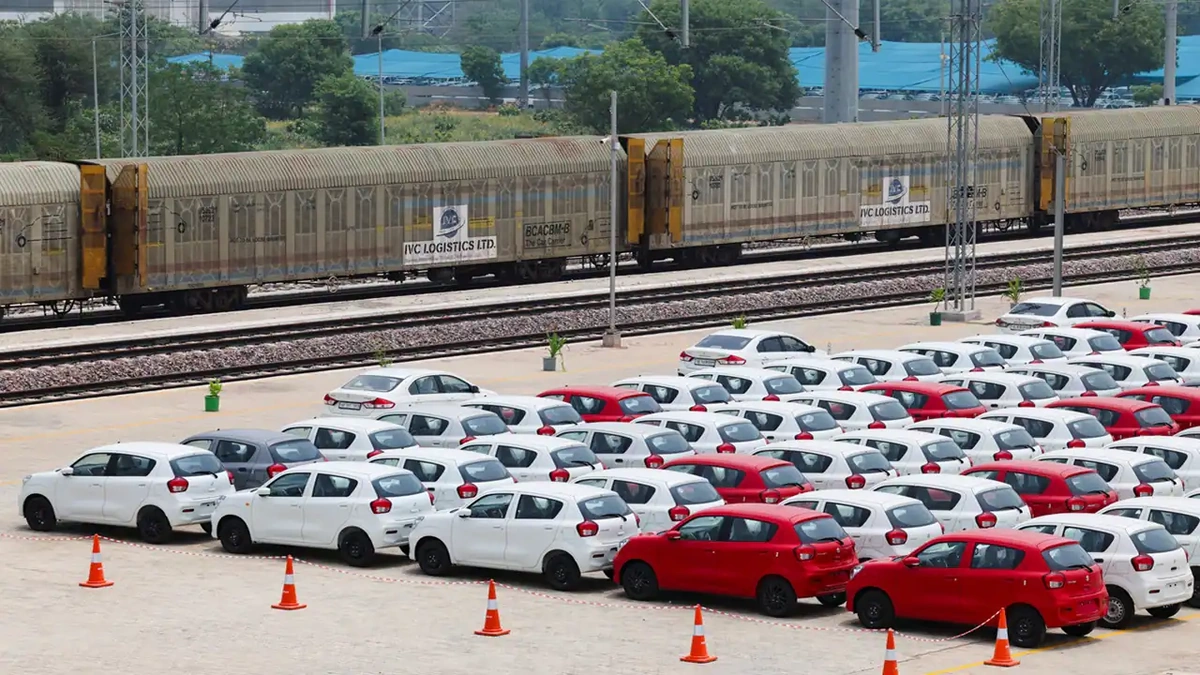
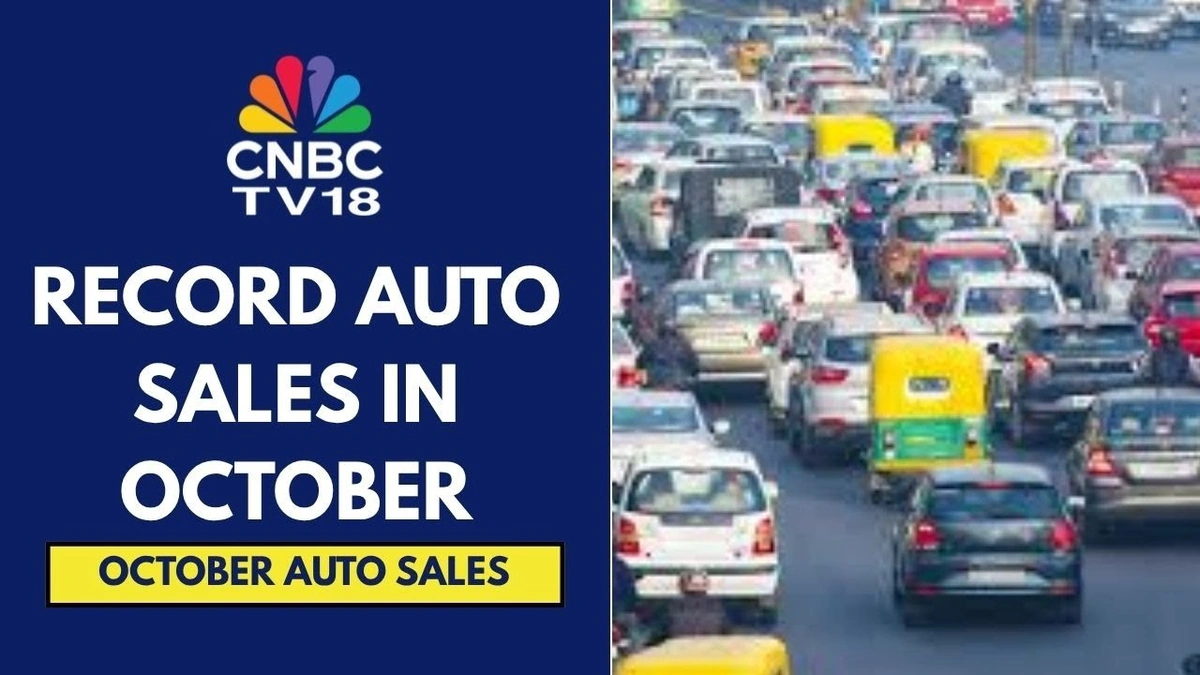
Wow, October was a blockbuster month for the Indian auto industry! We’re talking 4.7 lakh vehicles sold – a number that’s making headlines and sparking celebrations across showrooms. But here’s the thing: it’s not just about the raw numbers. It’s about why this happened and what it means for you, the potential car buyer, and the overall economy. Let’s dive deep, shall we?
The Festive Fuel Injection | More Than Just Cheer
Okay, so everyone’s saying the festive season is the big reason. Diwali lights, Dussehra’s blessings – all that good stuff. And yes, that’s definitely a factor. Indians love to make big purchases during auspicious times. But, to attribute it solely to that is, let’s be honest, a bit simplistic. It’s like saying chai is just tea leaves and water – there’s a whole lot more flavor going on beneath the surface.
What fascinates me is how strategically automakers leverage this period. It’s not just about slapping a ‘Diwali Offer’ sticker on a car. They launch new models, offer attractive financing schemes, and generally pull out all the stops to woo customers. This year was no exception. But there is something that we have to see.
Plus, the pent-up demand from the months leading up to the festive season plays a crucial role. Think about it: many folks postpone their purchases, waiting for the ‘right’ time – and that right time is often during the festivals. The festive season impact is very important.
GST Cuts | A Shot in the Arm, But Is It Sustainable?
Ah, the Goods and Services Tax (GST). The ever-present topic of discussion when talking about Indian economics. The recent GST cuts on vehicles were undoubtedly a major catalyst. Lower prices make cars more accessible, plain and simple. It’s the most attractive part.
But here’s where my analyst hat goes on: can these cuts be sustained? And more importantly, should they be? While they provide an immediate boost to auto sales , continuously relying on tax cuts isn’t a long-term strategy. It can distort the market and create an unhealthy dependence. What we need is sustainable growth, driven by genuine demand, innovation, and strong infrastructure.
And speaking of GST and its effect, its very important to understand that government policies always affect vehicle sales.
The Underlying Economic Narrative | A Glimmer of Hope?
Let’s be real: the Indian economy has been facing its share of headwinds. Slowdown in various sectors, rising inflation – you know the drill. So, these record auto sales figures could be seen as a glimmer of hope, a sign that consumer sentiment is improving.
However – and this is a big however – one month’s data doesn’t make a trend. We need to see consistent growth over several quarters to confidently say that the economy is back on track. But it’s definitely a positive signal, a much-needed morale booster.

Consider this: When people feel secure about their jobs and financial future, they’re more likely to make discretionary purchases like cars. These increased vehicle sales definitely affect the economy.
Beyond the Headlines | What This Means for You
Okay, so what does all this mean for you, the average Indian looking to buy a car? Well, for starters, it means you have more options than ever before. Automakers are fiercely competing for your attention, offering a wide range of models, features, and price points.
But it also means you need to be a savvy buyer. Don’t get swept away by the festive frenzy or the lure of GST cuts alone. Do your research, compare prices, and consider factors like fuel efficiency, maintenance costs, and resale value. And most importantly, buy a car that truly meets your needs and budget.
And think of the second hand market too; it offers a host of possibilities for buyers and sellers. The pre-owned vehicle market is booming too.
A common mistake I see people make is rushing into a purchase without thoroughly understanding the terms and conditions of the financing agreement. Always read the fine print and ask questions. And don’t be afraid to negotiate!
Let me rephrase that for clarity: understand hidden costs.
The Road Ahead | Challenges and Opportunities
The Indian auto industry is at a crucial juncture. While the October sales figures are encouraging, there are still challenges to overcome. Rising input costs, supply chain disruptions, and the transition to electric vehicles are just some of the hurdles ahead.
But these challenges also present opportunities. Automakers that can adapt to the changing landscape, embrace innovation, and prioritize customer satisfaction will be the winners in the long run. And the Indian consumer, with their growing aspirations and purchasing power, will be the ultimate beneficiary.
The move to electric vehicles is already happening. The EV adoption rate is on the rise in certain demographics and areas.

And, manufacturers are stepping up with new models. Check out some of the models in India’s auto sector .
FAQ Section
Frequently Asked Questions
Will these record sales continue?
It’s hard to say for sure. While the festive season and GST cuts provided a boost, the long-term sustainability depends on various economic factors and consumer sentiment.
Are GST cuts likely to continue?
That’s a political and economic decision. While they can stimulate demand in the short term, continuously relying on tax cuts isn’t a sustainable strategy.
What are the best cars to buy right now?
That depends on your individual needs and budget. Research different models, compare prices, and consider factors like fuel efficiency and maintenance costs.
How is the shift to EVs affecting the overall market?
The transition to electric vehicles is gradually gaining momentum. While EVs still account for a small percentage of total sales, their adoption is increasing, and automakers are investing heavily in this segment.
Are these new cars sales only?
No, these figures include used or pre-owned vehicles.
So, there you have it – a deeper look at the record auto sales in India. It’s a complex story with multiple layers, not just a simple headline. And as always, the real story is in the details. Now, if you’ll excuse me, I’m off to test drive that new SUV I’ve been eyeing…
Disclaimer: ऊपर दिए गए विचार और सिफारिशें व्यक्तिगत विश्लेषकों या ब्रोकिंग कंपनियों की हैं, न कि "Finance Ghar" की। हम निवेशकों को सलाह देते हैं कि किसी भी निवेश निर्णय लेने से पहले प्रमाणित विशेषज्ञों से परामर्श करें। निवेश में जोखिम होता है और सही जानकारी के बिना निर्णय लेना हानिकारक हो सकता है।