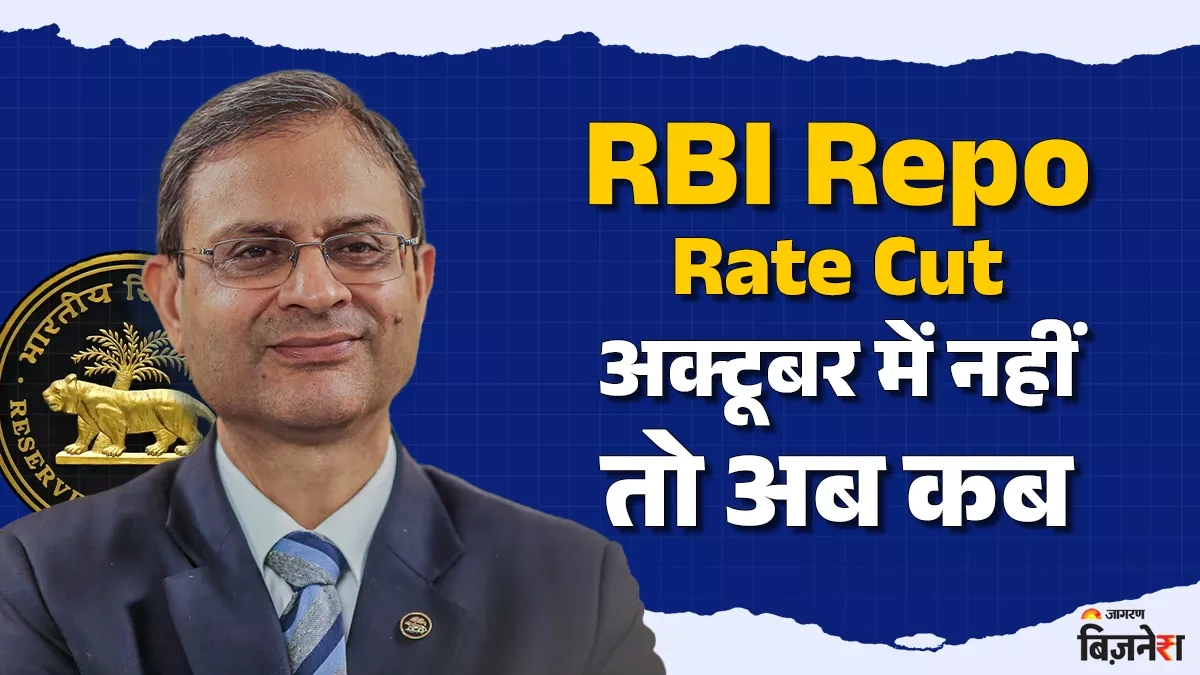
The air in Mumbai is thick with anticipation – not just because winter is (finally!) approaching, but because the Reserve Bank of India (RBI) is gearing up for its December Monetary Policy Committee (MPC) meeting. And everyone’s wondering: will there be an RBI rate cut ? It’s a question that’s got everyone from seasoned investors to the aam aadmi glued to their news feeds. But instead of just giving you the headlines, let’s dive into the “why” behind this potential rate cut and what it really means for you – the person reading this in India, trying to make sense of it all.
Why a Rate Cut Matters | More Than Just Headlines
Here’s the thing: an RBI rate cut isn’t just some number that economists throw around. It’s a lever that the RBI uses to steer the Indian economy. Think of it like this: if the economy is a car, the interest rate is the accelerator. Cut the rate (ease monetary policy), and you’re essentially giving the economy a little nudge forward, encouraging businesses to borrow and invest, and consumers to spend. The current repo rate is 6.5%, and it has been unchanged since February 2023.
But why is this important now? Well, India’s economic growth, while still robust compared to many countries, faces headwinds. Global uncertainties, inflation concerns (more on that later!), and the need to boost domestic demand are all factors weighing on the MPC’s decision. A rate cut could provide a much-needed stimulus, potentially leading to lower EMIs on your home loan, cheaper financing for businesses, and a general feel-good factor that encourages economic activity.
So, a decision to reduce the repo rate , the rate at which the RBI lends to commercial banks, would signal a desire to ease borrowing costs and encourage investment. The MPC also considers other factors, such as the global economic outlook and domestic liquidity conditions.
The Inflation Conundrum | The Elephant in the Room
Now, here’s where things get a bit tricky. While a rate cut sounds fantastic in theory, the RBI also needs to keep a close eye on inflation. India has been battling stubbornly high inflation for a while. The goal is to keep inflation within a band of 2-6%. If inflation is too high, a rate cut could be like pouring fuel on a fire, leading to even higher prices. This is where the MPC has a tightrope to walk – balancing the need for economic growth with the imperative to keep inflation in check.
The Consumer Price Index (CPI) is a key indicator monitored by the RBI. Recent data suggests a moderation in inflation, but it’s still above the comfort zone. A premature rate cut could reverse this trend, eroding the purchasing power of the average Indian. It’s a complex balancing act. The considerations before the committee are to see the impacts of a tight monetary policy . It initially thought this was straightforward, but then I realized how much the global economy is impacting the decision.
Decoding the MPC | Who Decides, and How?
Let’s rephrase that for clarity: who are these people making these decisions that affect our lives? The Monetary Policy Committee (MPC) is a six-member body that includes the RBI Governor and external experts. They meet periodically to assess the economic situation and decide on the appropriate course of action. The minutes of these meetings are publicly released, giving us a glimpse into their deliberations. It’s fascinating to see the different perspectives and the rationale behind their decisions. You can often find these minutes on the RBI’s official website. As per the guidelines mentioned in the information bulletin, their decision-making process is data-driven and forward-looking.

And here’s why that matters: understanding the MPC’s thought process helps us anticipate future policy moves. Are they more concerned about growth or inflation? Are they giving more weight to global factors or domestic conditions? By following their discussions, we can make more informed decisions about our own finances.
What an RBI Rate Cut Could Mean for You | The Ground Reality
Okay, let’s get down to brass tacks. How does all of this affect you, the person reading this in India? Well, the impact of an RBI rate cut can be felt in several ways:
- Lower EMIs: This is the most direct and immediate impact. If you have a home loan, car loan, or any other loan linked to a floating interest rate, a rate cut could lead to lower monthly payments. That extra cash in your pocket can make a big difference.
- Increased Spending: Lower borrowing costs can encourage consumers to spend more, boosting demand for goods and services. This can be a positive for businesses and the economy as a whole.
- Boost to Investment: A rate cut can make it cheaper for businesses to borrow money and invest in new projects, expansion plans, and job creation. This, in turn, can lead to higher economic growth.
- Impact on Savings: On the flip side, a rate cut can also mean lower interest rates on your savings accounts and fixed deposits. This is something to keep in mind when planning your investments.
Navigating the Uncertainty | A Word of Caution
The one thing you absolutely must remember is that the RBI’s decision isn’t set in stone. Many factors could influence their decision, and even the most seasoned economists can get it wrong. Global economic shocks, unexpected inflation spikes, or changes in government policy can all throw a wrench in the works. Therefore, it’s essential to stay informed, diversify your investments, and not put all your eggs in one basket.
According to the latest circular on the official RBI website (rbi.org.in), the MPC’s decisions are always subject to change based on evolving economic conditions. Interest rate adjustments are part of the normal economic activity and have been used for decades to manage financial situations.
Monetary policy transmission is key to economic growth. This is when the actions of the MPC affect the economy as a whole and are felt by most individuals. The effects are usually felt in 2-3 quarters.
Economic growth can be spurred on with increased lending. This means that there will be more opportunities in the job market. There are several factors influencing rate cuts which should be considered as well, such as global economic concerns and domestic economic data.
FAQ About the RBI Rate Cut
What happens if the RBI doesn’t cut rates?
If the RBI chooses to keep rates unchanged, it signals a cautious approach, likely driven by concerns about inflation or global uncertainties. This could mean that borrowing costs remain stable, but it might also dampen economic growth.

How often does the MPC meet?
The MPC typically meets six times a year, but it can also hold unscheduled meetings if needed to address urgent economic developments.
What if I have existing loans?
If you have loans linked to floating interest rates, a rate cut will automatically lead to lower EMIs. However, if your loans are on fixed interest rates, the rate cut won’t affect your payments.
Where can I find the official announcements from the RBI?
The best place to find official announcements and press releases from the RBI is on their official website: rbi.org.in.
What are the key indicators to watch before the December meeting?
Keep an eye on inflation data (CPI), GDP growth numbers, and global economic trends. These will give you clues about the direction the MPC might take.
So, is an interest rate cut coming? What fascinates me is, it’s never a sure thing, is it? The RBI’s decision is a high-stakes game with real-world consequences for all of us. The impact on the economy will depend on numerous factors and it is up to everyone to observe and act responsibly.
Disclaimer: ऊपर दिए गए विचार और सिफारिशें व्यक्तिगत विश्लेषकों या ब्रोकिंग कंपनियों की हैं, न कि "Finance Ghar" की। हम निवेशकों को सलाह देते हैं कि किसी भी निवेश निर्णय लेने से पहले प्रमाणित विशेषज्ञों से परामर्श करें। निवेश में जोखिम होता है और सही जानकारी के बिना निर्णय लेना हानिकारक हो सकता है।