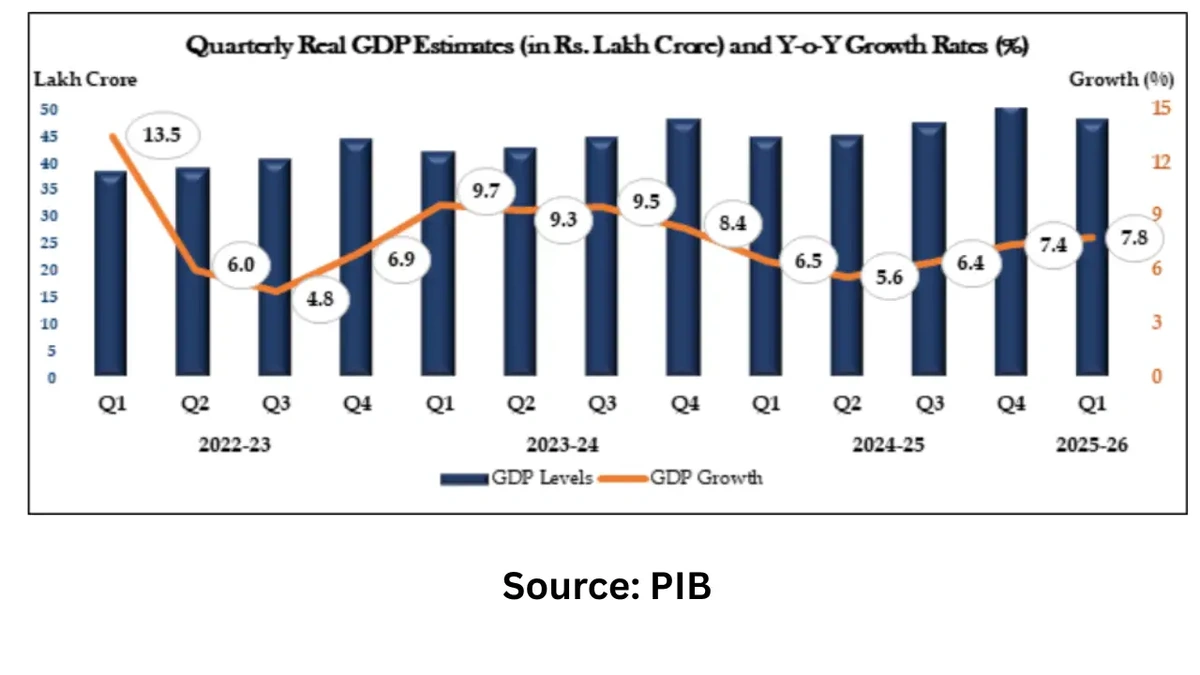
India’s GDP figures are out for the third quarter, and the initial reaction is one of celebration. Numbers are up, exceeding expectations. But here’s the thing: raw data only tells half the story. As someone who’s watched India’s economic tides for years, I can tell you that understanding the why behind these figures is far more crucial than just reading the headlines. So, let’s put on our thinking caps and delve deeper.
Beyond the Numbers | Why India’s GDP Matters
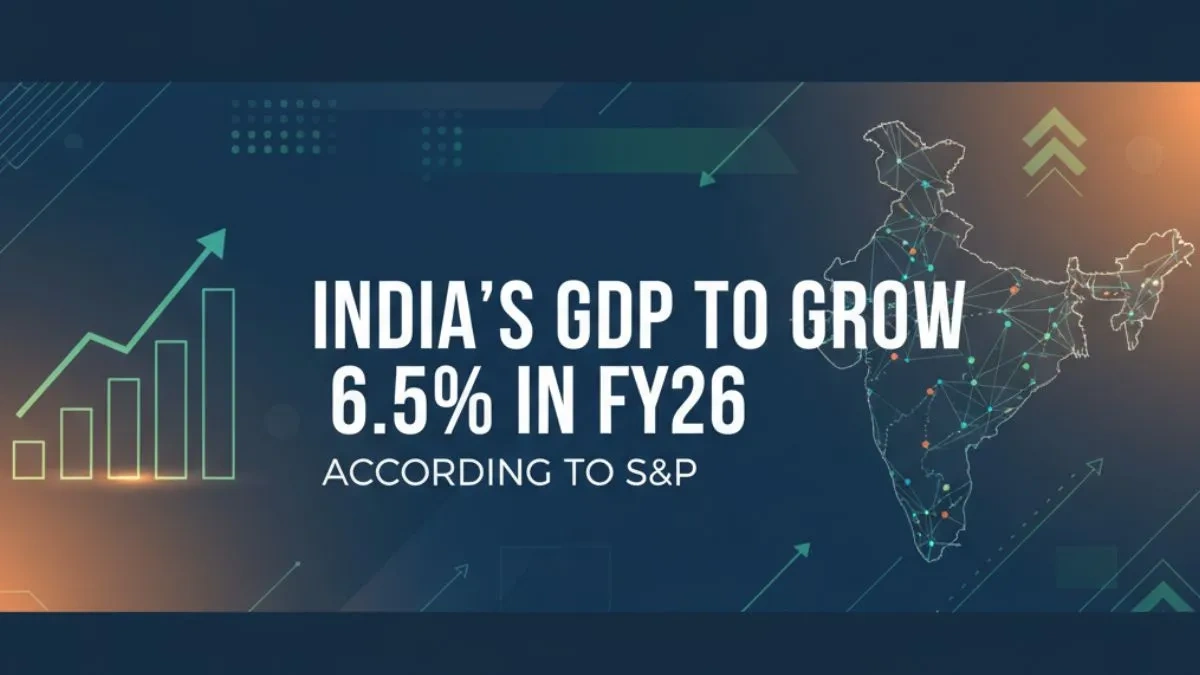
It’s tempting to simply cheer the positive growth. But what fascinates me is the underlying context. This isn’t just about bragging rights; it’s about the real-world implications for you and me. A healthy GDP growth rate suggests increased economic activity, which can translate to more jobs, higher incomes, and a better overall standard of living. The government is betting big on infrastructure projects and manufacturing boosts. But are these benefits reaching everyone equally? That’s the question we need to keep asking.
And that’s where things get interesting. This robust economic strength has implications far beyond just feeling good about the nation’s balance sheet. Are companies investing more? Are individuals spending more? What sectors are driving this growth, and are they sustainable? These are the kinds of questions that will tell us whether this is a flash in the pan or a genuine turning point.
Deciphering the Data | What’s Driving the Growth?
Let’s be honest, GDP figures can be opaque. It’s like looking at a beautifully decorated cake and trying to guess the ingredients. So, what’s contributing to this apparent surge? One key factor is the resurgence of certain sectors, notably manufacturing and services. Increased government spending on infrastructure is also playing a significant role. But, as always, there’s a caveat.
See, a large chunk of this growth is attributed to what economists call the ‘base effect.’ Last year’s figures were comparatively low due to various economic disruptions. So, naturally, this year’s numbers look impressive in comparison. But that doesn’t mean there isn’t genuine progress. The crucial point is to understand that this growth isn’t happening in a vacuum. External factors, such as global economic trends and geopolitical situations, also exert significant influence on India’s economic trajectory.
The Global Context | India’s Place in the World Economy
Speaking of global factors, India doesn’t operate in isolation. The global economic slowdown, trade wars, and fluctuating oil prices all have a ripple effect on our economy. So, while India’s GDP might be looking rosy right now, it’s crucial to view it within the larger global picture. How does our growth compare to other emerging economies? Are we keeping pace, or are we lagging behind? These are the questions economists are pondering right now. And you should be, too.
For example, the ongoing Russia-Ukraine conflict has sent shockwaves through the global economy, impacting supply chains and energy prices. These events inevitably affect economic indicators like inflation and interest rates, which in turn influence investment decisions and consumer spending. It’s a complex web of interconnected factors, and understanding these dynamics is crucial for making informed decisions, whether you’re an investor, a business owner, or simply trying to manage your household budget.

Challenges and Concerns | The Road Ahead
Now, let’s not get carried away with the celebratory mood. There are still challenges that need addressing. Inflation remains a concern, particularly its impact on the common person’s household budget. Unemployment is another persistent issue that requires urgent attention. And then there’s the ever-present need for structural reforms to boost long-term sustainable growth.
What’s more, the distribution of wealth remains a glaring inequality. While the headline GDP figures may look impressive, the benefits are not trickling down to all segments of society equally. Addressing this disparity is not just a matter of social justice; it’s also an economic imperative. A more equitable distribution of wealth would lead to increased consumer demand, which in turn would further fuel economic growth. So, it’s not just about growing the pie; it’s about ensuring that everyone gets a fair slice.
A common mistake I see people make is relying solely on government data without critical analysis. Official figures are often presented in a way that paints the most optimistic picture possible. It’s essential to dig deeper, consult multiple sources, and consider the underlying assumptions and methodologies used to compile the data. Remember, data is only as good as its interpretation.
As per the guidelines mentioned in multiple financial publications, sustainable growth will depend on a number of key factors, including increased private investment, enhanced infrastructure development, and a more skilled and adaptable workforce. It also requires a stable and predictable policy environment that encourages entrepreneurship and innovation. Without these fundamental building blocks, any short-term gains will be unsustainable.
Looking Forward | What Does This Mean for You?
Ultimately, what does all this mean for you, the average Indian? Well, it depends. If you’re an investor, it might signal opportunities in certain sectors. If you’re a job seeker, it could mean more employment prospects. But even if you’re neither, a healthy economy generally translates to a more stable and prosperous society. The trick is to stay informed, be discerning, and demand accountability from those in power.
The latest reports on macroeconomics suggest that this positive trend could continue, provided that the government remains committed to implementing sound economic policies. This includes measures to control inflation, promote investment, and boost exports. But it also requires a proactive approach to addressing social and environmental challenges, such as climate change and income inequality. After all, a truly robust economy is one that is not only prosperous but also sustainable and equitable.
So, there you have it. India’s Q3 GDP figures are indeed cause for optimism, but they also warrant a healthy dose of skepticism and critical analysis. It’s a complex picture with many moving parts. And understanding the why behind the numbers is the key to navigating this ever-changing economic landscape. Let’s not settle for just reading the headlines; let’s strive to understand the story behind them.

FAQ Section
What exactly is GDP, and why is it important?
GDP (Gross Domestic Product) is the total value of goods and services produced in a country during a specific period. It’s a key indicator of a nation’s economic health.
How does India’s GDP growth compare to other countries?
India’s GDP growth is among the highest globally, but it varies. Comparing with similar economies provides a better perspective.
What are the main factors affecting India’s gross domestic product ?
Government policies, global economic conditions, investment levels, and consumer spending all play significant roles.
Is this GDP growth sustainable in the long run?
Sustainability depends on structural reforms, controlling inflation, and equitable distribution of wealth.
What should I do as an individual given these GDP trends?
Stay informed, invest wisely, and advocate for policies that promote inclusive growth.
Where can I find reliable sources for economic data and analysis?
Official government websites, reputable financial publications, and economic research institutions are good sources.
Disclaimer: ऊपर दिए गए विचार और सिफारिशें व्यक्तिगत विश्लेषकों या ब्रोकिंग कंपनियों की हैं, न कि "Finance Ghar" की। हम निवेशकों को सलाह देते हैं कि किसी भी निवेश निर्णय लेने से पहले प्रमाणित विशेषज्ञों से परामर्श करें। निवेश में जोखिम होता है और सही जानकारी के बिना निर्णय लेना हानिकारक हो सकता है।