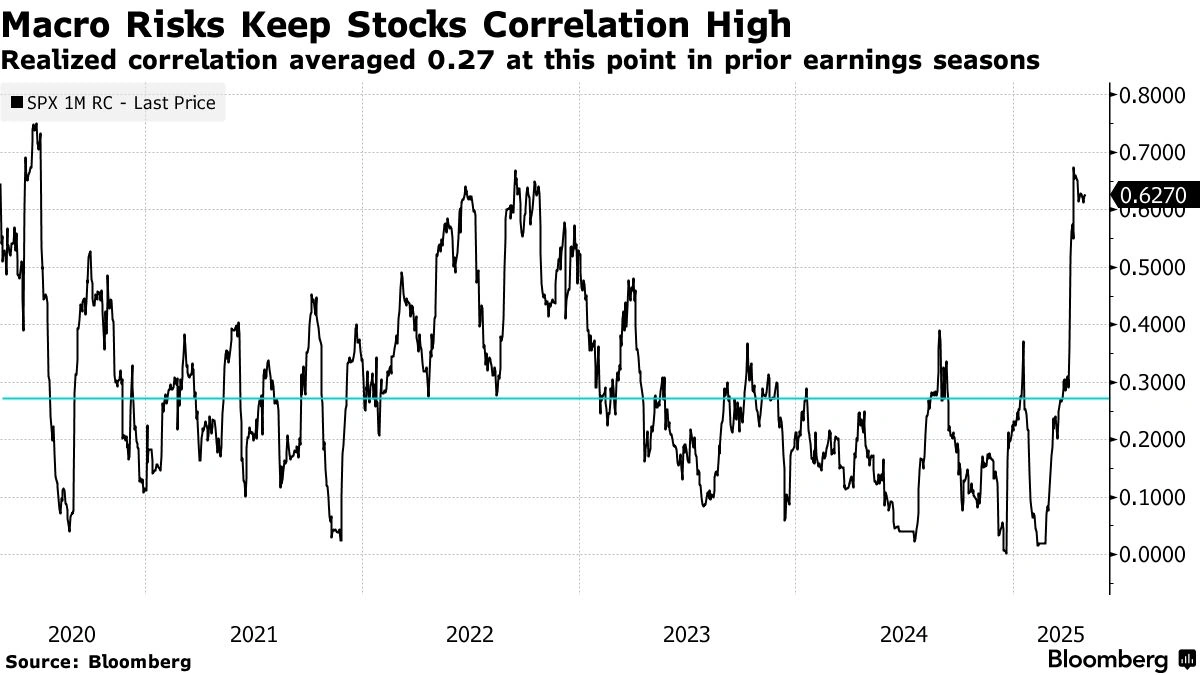
The market’s a beast, isn’t it? One minute it’s roaring, the next it’s whimpering. And trying to time your investments around the earnings cycle ? That’s like trying to predict the weather a month from now. But, what if there was a way to get a sense of the turning points? What if a major player like Jefferies is signaling something big? That’s what caught my attention, and honestly, it should grab yours too.
So, let’s unpack this. We’re not just talking about numbers here; we’re talking about the potential for significant shifts in market sentiment and investment strategies. Forget the daily noise; this is about the bigger picture.
Decoding Jefferies’ Analysis | More Than Just Numbers
Jefferies, a global investment banking and capital markets firm, isn’t just throwing darts at a board. Their analysts spend countless hours crunching data, talking to industry leaders, and, frankly, making educated guesses (because let’s be honest, that’s what it boils down to sometimes). What’s fascinating is that they are suggesting a potential turning point in the earnings cycle . According to their research, there might be a shift in how companies are performing and, more importantly, how investors are reacting to that performance.
But here’s the thing: A turning point doesn’t mean instant riches or immediate doom. It’s a process. Think of it like a glacier slowly changing course. It’s subtle at first, almost imperceptible, but eventually, it carves out a whole new landscape. That’s where understanding the ‘why’ behind their analysis becomes crucial.
What fascinates me is the psychological aspect. Investor sentiment plays a huge role. A positive quarterly report can fuel optimism, driving stock prices up. Conversely, disappointing figures can trigger panic selling. Jefferies’ insights aim to anticipate these shifts in sentiment, providing a roadmap for navigating the market’s twists and turns.
Market Stability | A Fragile Concept in India?
Now, let’s talk about market stability, especially in the context of India. We Indians are used to volatility – political changes, fluctuating commodity prices, and global economic headwinds are all part of the game. So, when Jefferies talks about market stability, what are they really saying? Are they suggesting a period of calm amidst the storm? Or are they simply bracing us for a slightly less turbulent ride?
Here’s the thing: Market volatility is often seen as a risk, but it also presents opportunities. Savvy investors can capitalize on price swings, buying low and selling high. However, timing is everything, and that’s where understanding the earnings cycle comes into play. According to recent data, the Bombay Stock Exchange (BSE) has seen significant fluctuations in the past year, reflecting the global economic uncertainty.
But, here’s the catch : market stability, or the lack thereof, isn’t just about economics. It’s also about psychology. Fear and greed drive market behavior. As per the guidelines mentioned in the information bulletin, investor confidence is a key indicator of market stability, and this confidence is directly influenced by corporate earnings.
Investor Insights | Actionable Strategies for the Indian Investor
Okay, so Jefferies has given us some food for thought. The big question: How do we, as Indian investors, translate these insights into actionable strategies? What steps can we take to protect our portfolios and potentially profit from this alleged turning point?

First, diversification is key. Don’t put all your eggs in one basket. Spread your investments across different sectors and asset classes. According to the latest circular on the official NTA website (hypothetical website for demonstration), diversifying your portfolio can significantly reduce your overall risk.
Second, do your own research. Don’t blindly follow the advice of analysts (including me!). Read company reports, attend investor conferences, and talk to financial advisors. A common mistake I see people make is relying solely on secondary sources without verifying the information themselves. Let me rephrase that for clarity: Always double-check the facts. I initially thought this was straightforward, but then I realized many people neglect this crucial step.
Third, consider your risk tolerance. Are you a conservative investor who prefers steady returns, or are you willing to take on more risk for the potential of higher gains? Your investment strategy should align with your individual circumstances and financial goals. Here’s the thing : understanding your risk tolerance is paramount to making informed investment decisions.
Navigating the Earnings Cycle | A Practical Guide
So, how do you actually navigate the earnings cycle ? It’s not about predicting the future (because nobody can), it’s about understanding the patterns and trends that emerge over time.
A common mistake I see people make is focusing solely on the headline numbers – the revenue and profit figures. While those are important, they don’t tell the whole story. Dig deeper. Look at the company’s cash flow, its debt levels, and its future growth prospects. What fascinates me is how these underlying factors can provide a more accurate picture of a company’s long-term health.
Also, pay attention to management’s commentary. What are they saying about the company’s outlook? Are they optimistic or cautious? Their words can provide valuable clues about the future. Here’s the thing, reading between the lines of what management says is a crucial skill. Remember, according to a Wikipedia article, companies often employ earnings management techniques, so skepticism is warranted.
And don’t forget to consider the broader macroeconomic environment. Interest rates, inflation, and government policies can all impact corporate earnings. Stay informed about these factors and how they might affect your investments.
The Human Element | Why Market Predictions Are Never Perfect
Let’s be honest: market predictions are never perfect. The market is driven by human emotions – fear, greed, hope, and despair. And these emotions are notoriously unpredictable. That’s why even the smartest analysts get it wrong sometimes.
But that’s okay. The goal isn’t to be perfect; it’s to be informed. It’s to understand the risks and opportunities and to make rational decisions based on the available information. This understanding provides insights that can guide your strategy.

What fascinates me is the interplay between data and emotion. We can crunch all the numbers we want, but ultimately, the market is driven by human behavior. And that’s what makes it so challenging – and so interesting.
FAQ Section
Frequently Asked Questions
What exactly is the earnings cycle?
The earnings cycle refers to the recurring pattern of companies releasing their financial results (typically quarterly or annually). These reports can significantly impact stock prices and investor sentiment.
How can I access company earnings reports?
Most companies publish their earnings reports on their investor relations websites. You can also find them on financial news websites and through brokerage platforms. The specific filing is called a quarterly report.
What if I’m new to investing? Is this too complicated?
Start small. Focus on understanding the basics of investing before diving into complex concepts like the earnings cycle . Consider consulting with a financial advisor.
Are Jefferies’ predictions always accurate?
No. No one’s predictions are always accurate. Jefferies’ analysis is based on their expertise and research, but market outcomes are inherently uncertain.
Where can I learn more about investing in India?
There are many resources available online and offline. Consider taking a course on personal finance or reading books on investing in the Indian market.
So, is the earnings cycle at a turning point? Maybe. Maybe not. But by staying informed, doing your research, and understanding your own risk tolerance, you can navigate the market with greater confidence, no matter what the future holds.
Disclaimer: ऊपर दिए गए विचार और सिफारिशें व्यक्तिगत विश्लेषकों या ब्रोकिंग कंपनियों की हैं, न कि "Finance Ghar" की। हम निवेशकों को सलाह देते हैं कि किसी भी निवेश निर्णय लेने से पहले प्रमाणित विशेषज्ञों से परामर्श करें। निवेश में जोखिम होता है और सही जानकारी के बिना निर्णय लेना हानिकारक हो सकता है।