Imagine sending money to your family in Europe and not getting slammed with hefty fees. That’s the promise on the horizon with the integration of India’s UPI (Unified Payments Interface) and Europe’s TIPS (TARGET Instant Payment Settlement) system. It’s not just about convenience; it’s about making life easier and cheaper for millions. Let’s explore why this is a game-changer and how it will impact Indians.
Why This Integration Matters | More Than Just Transfers
Okay, so what’s the big deal? Well, for starters, the current system for sending money internationally, especially smaller amounts, is often riddled with fees. Banks and other intermediaries take a cut, and those cuts add up. The UPI TIPS integration aims to bypass much of that, offering a more direct and cost-effective route. But it’s more than just saving a few bucks. It’s about financial inclusion, empowering individuals, and fostering stronger economic ties between India and the European Union. It’s about using technology to solve real-world problems. Consider this similar to the recent digital transformationthat is changing the investment landscape.
Here’s the thing: traditional remittance services often involve a chain of intermediaries, each taking a percentage. This can make even small transfers surprisingly expensive. This new system promises to reduce these costs dramatically. As the European Payment Councilstates, instant payment systems are the future of cross-border transactions.
How Will Cheaper Remittances Impact You?
Let’s get down to brass tacks. How does this instant payment system actually affect you, the average person in India? If you have family members working or studying in Europe, this is excellent news. Sending money back home will become significantly cheaper, meaning more money ends up in the hands of your loved ones. It also makes it easier for small businesses to conduct cross-border transactions. Think about it: a small artisan in Rajasthan selling handicrafts to customers in Germany. Reduced transaction fees can be a game-changer for their profitability.
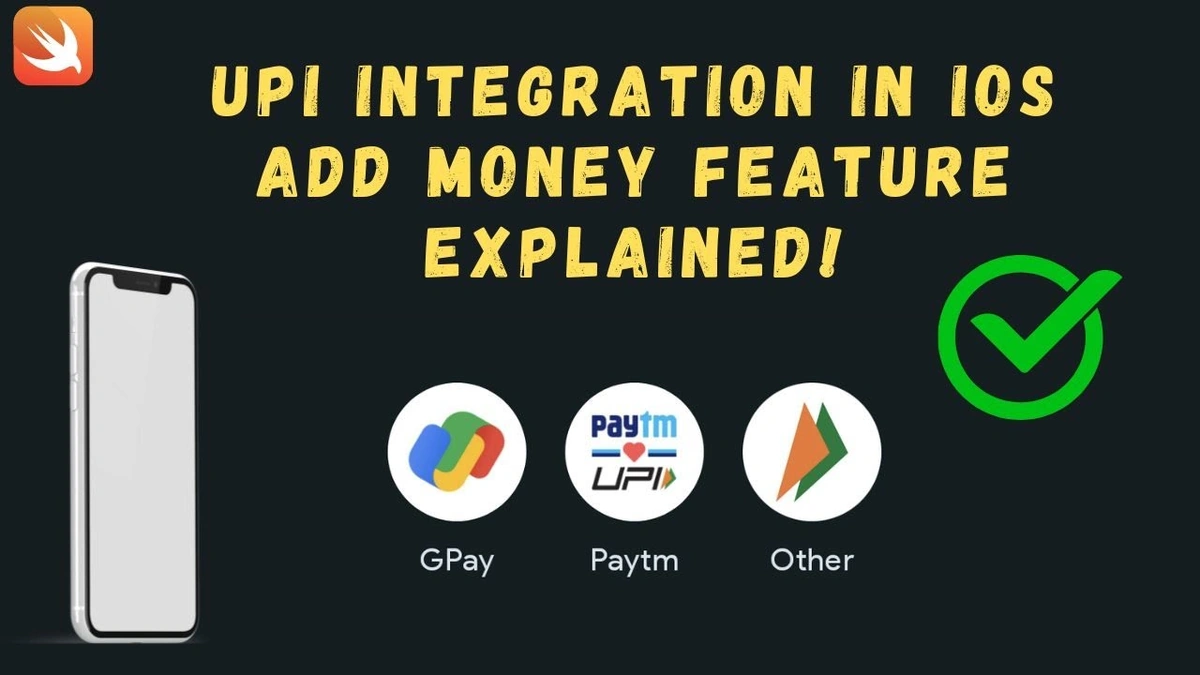
But there’s more. Cheaper remittances can also boost the Indian economy. When people receive more money from abroad, they’re more likely to spend it, which stimulates economic activity. It’s a ripple effect that can benefit everyone. The integration also simplifies the process. Instead of dealing with complex banking procedures, you can use the familiar UPI interface to send money directly. Simple, easy, and efficient. This is what I call true integration, bringing a modern and new age approach to money management.
UPI TIPS Integration and the Future of Cross-Border Payments
This isn’t just a one-off thing; it’s a sign of things to come. The successful integration of UPI and TIPS could pave the way for similar partnerships with other countries and regions. Imagine a world where sending money across borders is as easy as sending a text message! That’s the vision. What fascinates me is the potential for innovation. As these systems become more interconnected, we could see new financial products and services emerge, tailored to the needs of a globalized world. It also represents a significant step towards financial inclusion. By reducing transaction costs, it makes it easier for people in developing countries to participate in the global economy. It’s about leveling the playing field and creating opportunities for everyone.

The integration also highlights the growing importance of digital payment systems. As more and more people embrace digital transactions, it’s crucial to have secure and efficient systems in place to handle cross-border payments. This is where UPI and TIPS come in. They represent the cutting edge of digital payment technology, offering a glimpse into the future of finance. UPI is a marvel in itself, and you can see more on startups that boost our economies via resources like these startups.
Navigating the Transition | What to Expect
Okay, so you’re probably wondering when you can start sending money using this new system. That’s a fair question. The rollout will likely be gradual, with initial testing and pilot programs before widespread adoption. Keep an eye out for announcements from your bank or payment provider. They’ll let you know when the service is available and how to use it. In the meantime, it’s a good idea to familiarize yourself with UPI if you haven’t already. It’s a convenient and secure way to make payments, and it’s only going to become more important in the future.
One thing to keep in mind is that there may be initial limitations on the amount of money you can send. This is common with new payment systems, as it allows providers to monitor transactions and prevent fraud. However, these limits are likely to increase over time as the system becomes more established. So, while you might not be able to send large sums of money right away, the convenience and cost savings will still be significant.
Addressing Potential Challenges and Concerns about Cross Border Payments
Let’s be honest; no new system is perfect. There will likely be challenges and teething problems along the way. One potential concern is security. It’s crucial to ensure that the system is secure and protected from fraud and cyberattacks. Another challenge is interoperability. It’s important that UPI and TIPS can seamlessly communicate with each other, regardless of the underlying technology. But these challenges are not insurmountable. With careful planning and collaboration, they can be addressed effectively. The benefits of cheaper remittances far outweigh the risks. So, while there may be some bumps in the road, the overall outlook is positive.
FAQ | Your Burning Questions Answered
Frequently Asked Questions
Will this really make remittances cheaper?
Yes, that’s the primary goal. By cutting out intermediaries, the costs should decrease significantly.
How secure is this system?
Both UPI and TIPS employ robust security measures to protect your transactions.

When will I be able to use this?
The rollout will be gradual, so stay tuned for announcements from your bank or payment provider.
Are there any limits on how much I can send?
Initially, there may be some limits, but these are likely to increase over time.
What if something goes wrong with my transaction?
Your bank or payment provider will have procedures in place to resolve any issues.
Will this work with all European countries?
The aim is to integrate with as many European countries as possible, but it may take time to roll out fully. With all that being said, are you prepared to take on the new age of digital payments ?
In conclusion, the integration of UPI and TIPS is more than just a technical achievement. It’s a step towards a more connected and equitable world. It’s about empowering individuals, fostering economic growth, and using technology for good. It’s a small change that holds immense promise.
Disclaimer: ऊपर दिए गए विचार और सिफारिशें व्यक्तिगत विश्लेषकों या ब्रोकिंग कंपनियों की हैं, न कि "Finance Ghar" की। हम निवेशकों को सलाह देते हैं कि किसी भी निवेश निर्णय लेने से पहले प्रमाणित विशेषज्ञों से परामर्श करें। निवेश में जोखिम होता है और सही जानकारी के बिना निर्णय लेना हानिकारक हो सकता है।