The Indian Rupee has been flexing its muscles lately, gaining ground against the mighty US dollar in early trading. You’ve probably seen the headlines. But here’s the thing: that news alone doesn’t tell you much about what’s really going on. It’s like seeing one piece of a puzzle and trying to guess the whole picture. Let’s dive deeper and figure out why this matters, shall we?
Why the Rupee’s Rise Isn’t Just a Number
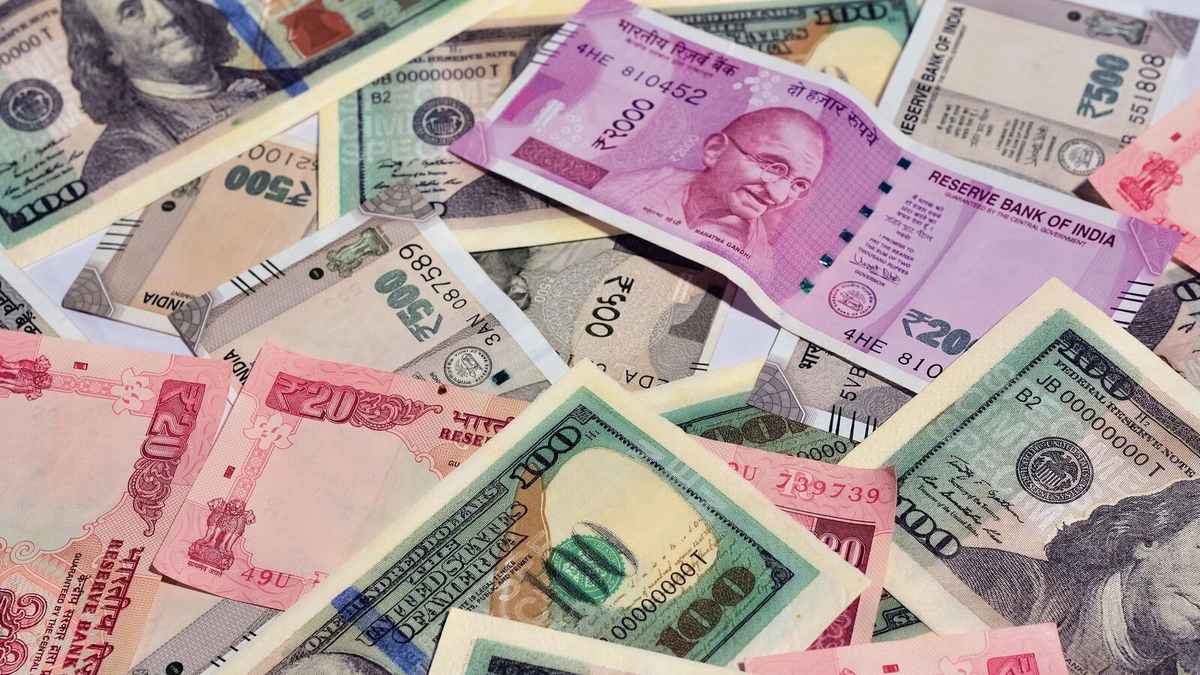
Okay, so the rupee exchange rate is up. Big deal, right? Wrong. This isn’t just about currency conversion rates for your next vacation. A stronger rupee can have ripple effects throughout the Indian economy. Think of it like this: a stronger rupee makes imports cheaper. That means Indian businesses can buy raw materials and components from abroad at a lower cost. But, there’s always a flip side, isn’t there?
A stronger rupee can also make Indian exports more expensive for foreign buyers. This could potentially hurt sectors like textiles, IT services, and manufacturing, where India relies heavily on exports. It’s a delicate balancing act. And the Reserve Bank of India (RBI) is constantly monitoring the situation to ensure stability.
The Global Factors at Play
Now, what’s causing this rupee appreciation ? It’s rarely just one thing. Several global factors often contribute. For instance, changes in US monetary policy can have a huge impact. If the US Federal Reserve decides to lower interest rates, it can weaken the dollar, making other currencies, including the rupee, look more attractive. This is closely related to market sentiment towards emerging economies.
But that’s not all. Geopolitical events, global trade tensions, and even investor confidence can play a role. Think of it as a complex web of interconnected factors, all influencing the Indian currency market . What fascinates me is how quickly things can change based on seemingly unrelated events happening across the globe. The other factor to keep in mind is foreign exchange reserves held by RBI which influences the value of rupee.
How This Impacts You, the Average Indian
So, how does all this affect you, the average Indian? Well, if you’re planning a trip abroad, a stronger rupee is good news. Your travel budget just got a little bit bigger. But, let’s be honest, most of us aren’t jet-setting around the world every day. The real impact is more subtle, but definitely there.
For example, cheaper imports can eventually lead to lower prices for some goods in the market. That fancy imported gadget you’ve been eyeing might just become a little more affordable. On the other hand, if you work in an export-oriented industry, you might see some impact on your company’s profitability, which could indirectly affect your job security or salary. It’s all interconnected, you see?
A common mistake I see people make is thinking that currency fluctuations are some abstract concept that doesn’t affect them personally. But it absolutely does, even if you don’t realize it immediately.

RBI’s Role | The Silent Guardian
The Reserve Bank of India (RBI) plays a crucial role in managing the rupee’s value. They use various tools, such as buying and selling foreign currency , to maintain stability in the market. The goal is not to artificially inflate or deflate the rupee, but to prevent excessive volatility. According to the RBI’s monetary policy statements, they aim to maintain price stability and support economic growth.
Think of the RBI as the silent guardian of the rupee. They’re constantly watching the market, intervening when necessary to prevent wild swings. It’s a tough job, requiring a deep understanding of both domestic and global economic conditions. What I find interesting is that RBI also monitors global crude oil prices as it has direct impact on inflation and currency value.
The Future Outlook | Predicting the Unpredictable
So, what’s next for the rupee? Predicting currency movements is notoriously difficult. Even the experts get it wrong sometimes. However, we can look at some key indicators to get a sense of the potential direction.
Factors like India’s economic growth rate, inflation levels, and the global economic outlook will all play a role. If India continues to grow strongly and maintain relatively stable inflation, the rupee is likely to remain supported. But, any major shocks to the global economy could quickly change the picture. It’s a constant balancing act of hope and risk.
Also keep an eye on capital inflows . If foreign investors pour money into Indian markets, it can strengthen the rupee. Conversely, if they pull their money out, it can weaken the currency. The thing you should remember is that the currency market is a complex beast, influenced by a multitude of factors. No one can predict the future with certainty, but understanding the underlying dynamics can help you make more informed decisions.
For more detailed information about the Indian Rupee and its performance, you can refer to reputable sources such as the Reserve Bank of India (RBI) website or financial news outlets like Bloomberg Asia .
FAQ
Will the rupee continue to strengthen against the dollar?
It’s impossible to say for sure. Many factors influence currency values, including global economic conditions, investor sentiment, and RBI policy.
How does a strong rupee affect Indian exports?
A stronger rupee can make Indian exports more expensive for foreign buyers, potentially impacting export-oriented industries.

What is the RBI’s role in managing the rupee’s value?
The RBI intervenes in the currency market to prevent excessive volatility and maintain stability.
What if I’m planning an international trip?
A stronger rupee is generally good news for international travelers, as it makes your trip more affordable.
Where can I find reliable information about the rupee’s performance?
Refer to reputable sources like the RBI website and financial news outlets.
Does stock market performance impact rupee value?
Yes, stock market performance is a good economic indicator, thus it influences the value of the rupee.
So, the next time you see a headline about the rupee strengthening, remember that it’s just one piece of a much larger and more complex puzzle. Understanding the underlying dynamics can help you make more informed decisions and see how these global events affect your everyday life.
Disclaimer: ऊपर दिए गए विचार और सिफारिशें व्यक्तिगत विश्लेषकों या ब्रोकिंग कंपनियों की हैं, न कि "Finance Ghar" की। हम निवेशकों को सलाह देते हैं कि किसी भी निवेश निर्णय लेने से पहले प्रमाणित विशेषज्ञों से परामर्श करें। निवेश में जोखिम होता है और सही जानकारी के बिना निर्णय लेना हानिकारक हो सकता है।