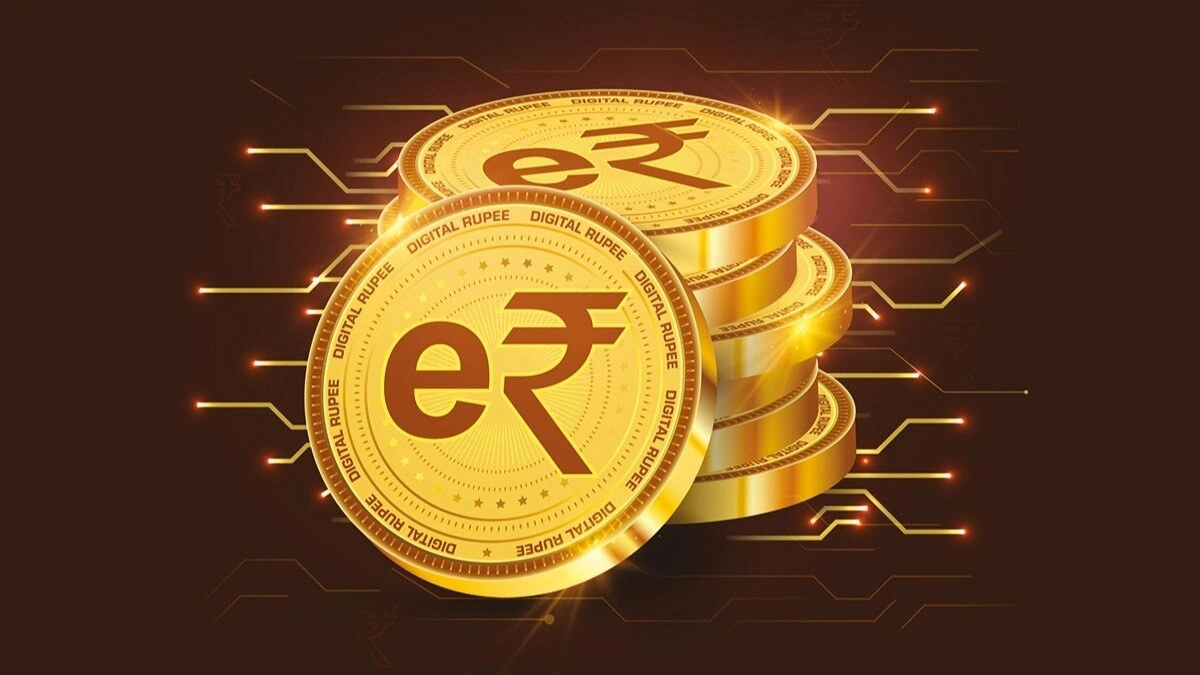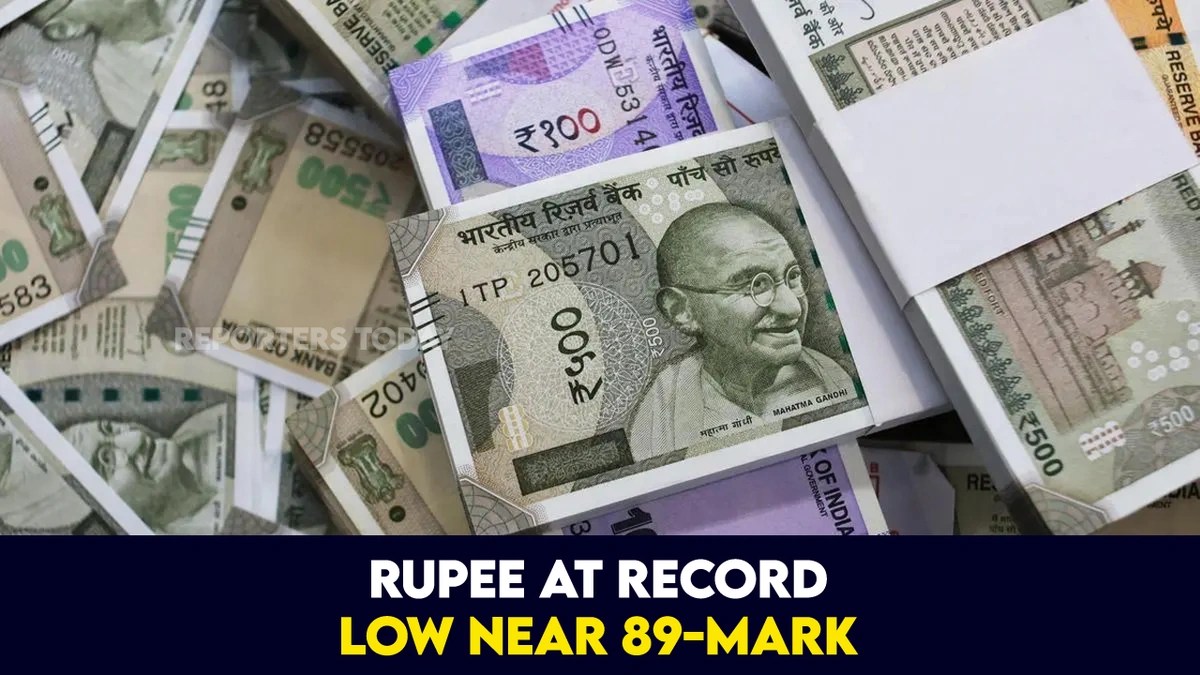
The Indian Rupee . It’s more than just currency; it’s a reflection of India’s economic health and global standing. And lately, it’s been a bit of a nail-biter. We’re seeing the Rupee value edging closer to the 90 mark against the dollar, and naturally, everyone’s asking: What’s going on? And more importantly, what’s next?
The usual headlines will tell you about the RBI’s (Reserve Bank of India) cautious approach and the upcoming key data releases. But let’s be honest – that barely scratches the surface. So, let’s dive deeper into the ‘why’ behind the headlines, exploring the hidden context and the real implications for you.
Decoding the RBI’s Cautious Stance
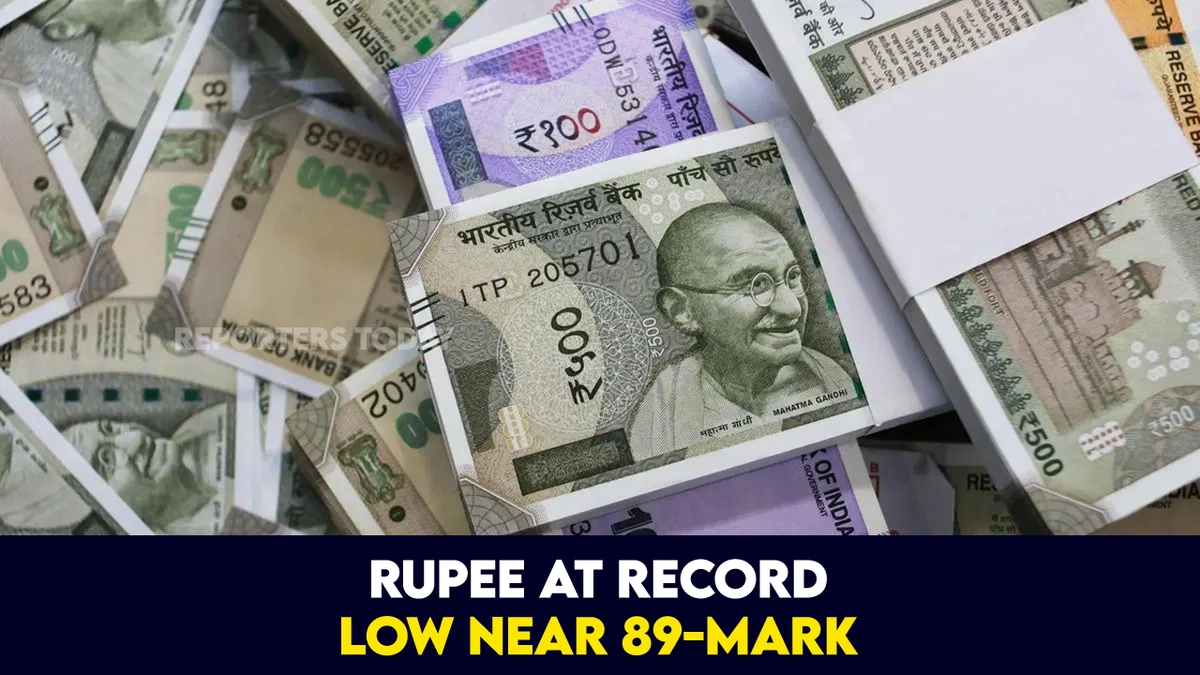
So, why is the RBI being so careful? The thing is, it’s a delicate balancing act. The RBI has to manage inflation, support economic growth, and maintain exchange rate stability – all at the same time. Intervening too aggressively to prop up the Rupee could deplete India’s foreign exchange reserves. But letting it slide too much can fuel imported inflation and create jitters in the market. That makes sense, right?
The RBI’s caution reflects a longer-term strategy. They’re not just reacting to daily fluctuations, but are looking at the bigger picture – India’s long-term economic stability. And believe me, that requires a steady hand and a whole lot of foresight.
Key Data Releases | The Crystal Ball for the Rupee
Now, about those key data releases. These aren’t just numbers on a screen; they are crucial indicators that can significantly influence the INR to USD exchange rate. Think of it like this: these releases are the clues that help us – and the RBI – predict where the Rupee is headed.
What data are we talking about? Inflation figures, GDP growth rates, trade balance data, and foreign investment flows are the big ones. If inflation is higher than expected, it could put downward pressure on the Rupee. Strong GDP growth, on the other hand, could provide support. And a healthy inflow of foreign investment? That’s always good news for the Rupee movement .
Global Factors at Play | More Than Just Local News
Let’s be real – the Rupee doesn’t exist in a vacuum. Global events play a massive role. Changes in US interest rates, geopolitical tensions, and the overall global economic outlook can all send ripples through the Indian currency market. For example, a strong dollar, often fueled by rising US interest rates, can make the Rupee look weaker in comparison.

And this is where things get interesting. Because the RBI has to consider not just domestic factors, but also how India stacks up against other emerging markets. Are other currencies also weakening? Is India outperforming or underperforming its peers? These comparisons matter.
Impact on the Common Person | What Does it All Mean for You?
Okay, so the Rupee is fluctuating. But what does it actually mean for the average person in India? Well, it affects everything from the price of imported goods (think electronics and fuel) to the cost of studying abroad. A weaker Rupee makes imports more expensive, potentially leading to higher inflation. And if you’re planning a trip overseas, your Rupees won’t stretch as far. UPI transaction between India and Europe also depends on Rupee value.
But there’s a flip side, too! A weaker Rupee can make Indian exports more competitive, boosting economic growth and creating jobs. It’s a double-edged sword, to be sure.
Now, one thing I’ve learned about economic forecasting is that it’s rarely precise. While various currency exchange forecasts exist, predicting the exact movement of the Rupee is more art than science. Several institutions release them, but it is tough to say which one will be correct.
Navigating the Uncertainty | What Can You Do?
So, what can you do in the face of all this uncertainty? For starters, stay informed. Keep an eye on those key data releases and pay attention to what the experts are saying. Don’t panic over short-term fluctuations, and remember that the RBI is working to maintain stability. If you’re a business owner, consider hedging your currency risk. And if you’re an individual, be mindful of how currency fluctuations might impact your spending and investment decisions.
Understanding the interplay of these forces allows for better financial decisions, especially when considering investment in Indian equities and other assets.
FAQ
What happens if the Rupee hits 90?
If the Rupee hits 90, it could lead to increased imported inflation and potentially trigger further intervention from the RBI to stabilize the currency.

How does the RBI intervene to stabilize the Rupee?
The RBI typically intervenes by selling dollars from its foreign exchange reserves to buy Rupees, which increases the demand for Rupees and supports its value. As per the report published in Reuters , the central bank is adopting a cautious stance.
Will a weaker Rupee affect my investments?
A weaker Rupee can impact your investments, particularly those in international markets or assets denominated in foreign currencies. It could also affect the returns on your domestic investments due to inflationary pressures.
What if I’m planning to study abroad?
If you’re planning to study abroad, a weaker Rupee will make your education more expensive, as you’ll need more Rupees to buy the same amount of foreign currency. Plan your finances accordingly.
How do global oil prices affect the Rupee?
India imports a significant portion of its oil needs. When global oil prices rise, it increases India’s import bill, putting downward pressure on the Rupee. TCS and other tech companies can be benefited from Rupee depreciation.
The exchange rate forecasts are varied. But here’s the key takeaway: the Rupee’s journey to 90 (or wherever it ultimately lands) isn’t just a financial headline; it’s a story about India’s economic resilience, its place in the world, and the everyday impact on its citizens. And that’s a story worth following.
Disclaimer: ऊपर दिए गए विचार और सिफारिशें व्यक्तिगत विश्लेषकों या ब्रोकिंग कंपनियों की हैं, न कि "Finance Ghar" की। हम निवेशकों को सलाह देते हैं कि किसी भी निवेश निर्णय लेने से पहले प्रमाणित विशेषज्ञों से परामर्श करें। निवेश में जोखिम होता है और सही जानकारी के बिना निर्णय लेना हानिकारक हो सकता है।