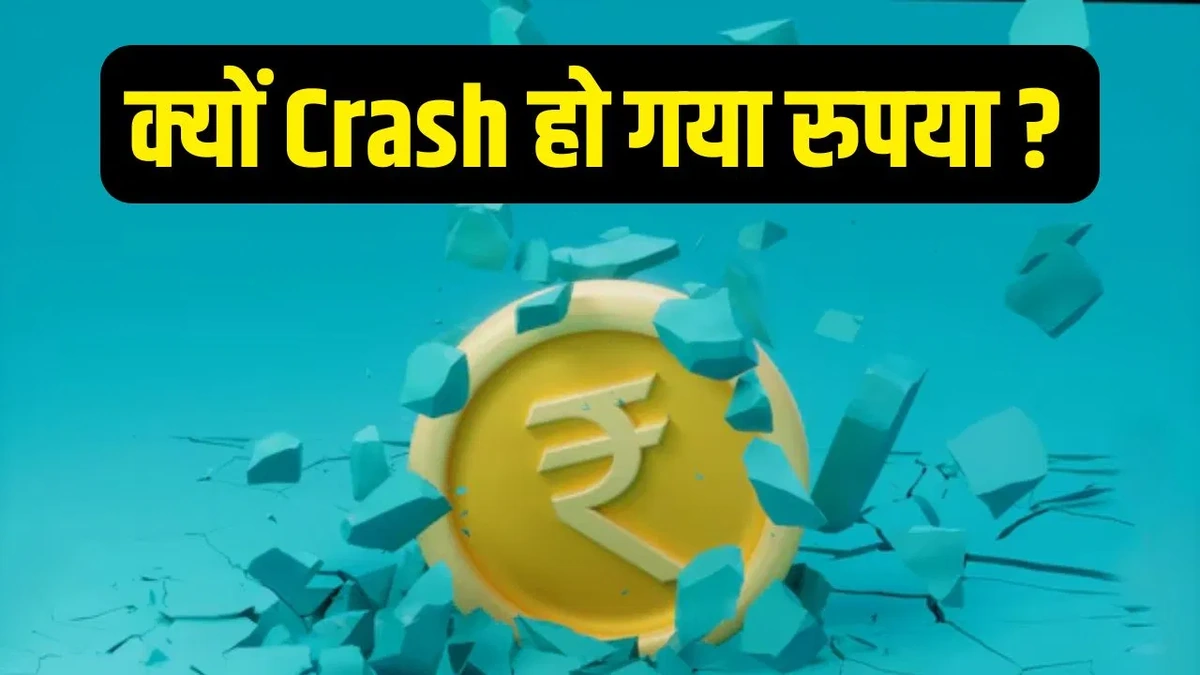
Okay, folks, let’s talk about the elephant in the room – or should I say, the rupee crash . You’ve probably seen the headlines screaming about it hitting an all-time low, and yeah, it’s a bit concerning. But let’s be honest, simply knowing it happened doesn’t really tell you anything, does it? What really matters is understanding why it happened and what it means for your pocket. So, grab your chai, and let’s dive into this.
Decoding the Rupee’s Descent | Why Now?
Here’s the thing: currency movements are rarely about just one thing. It’s a cocktail of global and domestic factors all swirling together. And what fascinates me is how these forces interact. One major reason? The strength of the US dollar. When the dollar flexes its muscles, currencies around the world often feel the pinch. The US Federal Reserve’s interest rate hikes have made the dollar more attractive to investors, leading to capital outflows from emerging markets like India.
But it’s not just about the dollar. Domestically, we’ve got factors like the current account deficit – that’s when a country imports more goods and services than it exports. A widening current account deficit puts downward pressure on the Indian rupee . Think of it like this: if you’re constantly buying more than you’re selling, eventually, you’re going to run into some financial strain. Plus, global uncertainties, like the ongoing geopolitical tensions and fears of a global recession, are making investors a bit jittery, and they tend to flock to safer assets like the dollar.
These global factors influence the forex market dynamics and can lead to significant currency depreciation.
The Ripple Effect | How the Rupee’s Fall Affects You
So, the rupee value has taken a tumble. Big deal, right? Wrong! This impacts everything, from the price of your imported gadgets to the cost of studying abroad. See, when the rupee weakens, imports become more expensive. This can lead to inflation, meaning you’ll pay more for everyday goods. That new smartphone you’ve been eyeing? It just got pricier. Petrol prices may also increase, directly impacting your transportation costs. A weaker rupee also makes it more expensive for Indian companies to repay their foreign debt.
But it’s not all doom and gloom. A weaker rupee can actually boost India’s exports, making them more competitive in the global market. This could benefit sectors like IT and textiles. Also, for those of you working abroad and sending money home, your remittances will be worth more in rupee terms. Here’s something to consider.
RBI’s Balancing Act | Intervention and Its Limits
Now, the Reserve Bank of India (RBI) isn’t just sitting on the sidelines watching the rupee’s slide . They often step in to try and stabilize the currency by selling dollars from their reserves. The thing is, this is a tricky balancing act. While intervention can provide some short-term relief, it can also deplete the country’s foreign exchange reserves. Plus, if the underlying factors driving the rupee’s fall are strong enough, intervention might only be a temporary fix. According to reports, the RBI is closely monitoring the situation and is prepared to take further measures as needed. The effectiveness of these measures, however, remains to be seen.

But, consider the impact of inflation on this issue, a critical factor influencing the central bank’s decision-making.
Navigating the Turbulence | What Can You Do?
Okay, so what can you, as an individual, do in the face of this economic volatility ? Well, panicking is definitely not the answer. Instead, focus on what you can control. If you’re planning a trip abroad, consider booking your flights and accommodation sooner rather than later, as prices are likely to rise as the rupee weakens. If you’re an investor, don’t make any rash decisions based on short-term market fluctuations. Diversify your portfolio and stick to your long-term investment goals. A common mistake I see people make is trying to time the market – it’s a recipe for disaster. Instead, focus on building a solid financial foundation that can withstand market ups and downs.
Also, be smart about your spending. Look for ways to cut back on unnecessary expenses and save more. Every little bit helps. Think of it as building your own personal financial buffer against the rupee’s turbulence. And keep an eye on government policies and announcements, which could offer insights into future economic direction. For instance, recent news might offer insights into this.
Looking Ahead | The Road to Recovery?
So, what’s the outlook for the rupee? Honestly, predicting currency movements with certainty is like trying to predict the weather – you can make educated guesses, but you’re never really sure. Much will depend on global economic conditions, the actions of the US Federal Reserve, and the RBI’s policy response. However, many experts believe that the rupee is likely to remain under pressure in the near term, but a significant recovery is possible if global conditions stabilize and India’s economic growth picks up. The exchange rate fluctuations are something everyone needs to keep an eye on.
Ultimately, the rupee’s performance is a reflection of the broader economic landscape. By understanding the factors that influence its movements, you can make more informed decisions about your finances and navigate the challenges ahead.
FAQ | Understanding the Rupee’s Fall
What exactly does it mean when the rupee hits an all-time low?
It simply means that the rupee’s value against the US dollar (or another major currency) is lower than it has ever been before.
Will the rupee keep falling?
It’s impossible to say for sure, as it depends on various factors. However, experts suggest continued pressure in the short term.

How does a weak rupee affect NRIs?
If you’re sending money home, your remittances will be worth more in rupee terms.
What if I forgot my application number?
This FAQ is about the rupee, so please stay on topic! If you have another question related to the rupee, please ask.
Is the RBI doing anything to stop the rupee from falling?
Yes, the RBI often intervenes by selling dollars from its reserves to stabilize the currency.
Should I convert my rupees to dollars?
That depends on your individual circumstances and financial goals. Consult with a financial advisor before making any major decisions.
Disclaimer: ऊपर दिए गए विचार और सिफारिशें व्यक्तिगत विश्लेषकों या ब्रोकिंग कंपनियों की हैं, न कि "Finance Ghar" की। हम निवेशकों को सलाह देते हैं कि किसी भी निवेश निर्णय लेने से पहले प्रमाणित विशेषज्ञों से परामर्श करें। निवेश में जोखिम होता है और सही जानकारी के बिना निर्णय लेना हानिकारक हो सकता है।