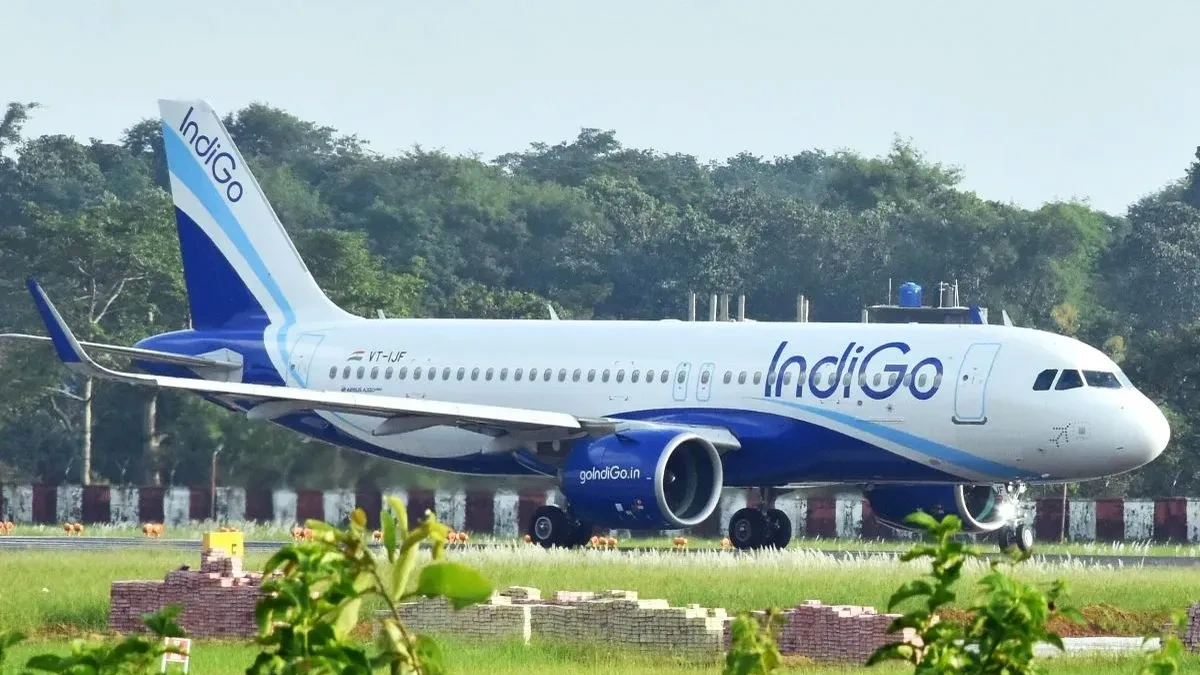
IndiGo, the undisputed king of the Indian skies, just dropped a pretty significant announcement: an $820 million investment in a subsidiary. Now, on the surface, that sounds like standard corporate finance stuff. But IndiGo’s not just any airline, and this isn’t just any investment. What fascinates me is the sheer scale of this move and what it signals about the airline’s future ambitions. Let’s dive deep, shall we?
Why This $820 Million Matters (More Than You Think)

Okay, so they’re pumping money into a subsidiary. Big deal, right? Wrong. Here’s the thing: this investment is specifically earmarked for aircraft acquisition , which means IndiGo is doubling down on its core business. But it’s not just about buying more planes; it’s about bolstering fleet ownership. In the airline world, owning your fleet versus leasing it is a massive strategic decision. It impacts everything from balance sheet strength to long-term cost control.
But, beyond the simple investment is the effect this will have on IndiGo’s market share in India . A larger, owned fleet will allow them to become more agile with flight scheduling and destinations. This level of control is crucial in India’s competitive and often unpredictable aviation market. With more planes under their belt, they’re clearly aiming for a more dominant position.
Think of it this way: leasing is like renting an apartment – convenient in the short term, but you’re always at the mercy of the landlord. Owning your fleet? That’s like owning the whole building. You control everything, from renovations to rental rates. And in the cutthroat airline industry, control is everything.
The Fleet Ownership Game | A Long-Term Strategy
So, why is fleet ownership such a big deal? Let’s be honest; it’s about playing the long game. Leasing aircraft can seem attractive initially, offering lower upfront costs and flexibility. However, over the lifespan of an aircraft (typically 25-30 years), the costs of leasing can far outweigh the benefits of owning.
And here’s where it gets interesting. This investment allows IndiGo to take advantage of favorable financing terms and potentially negotiate better deals with manufacturers like Airbus and Boeing. Plus, owning their fleet gives them greater flexibility in terms of maintenance, upgrades, and even eventual resale. It’s about controlling their destiny and building a more resilient business.
According to Simple Flying , IndiGo’s already got a hefty order book. This latest investment is just pouring fuel on the fire.
Let me rephrase that for clarity: owning aircraft provides substantial long-term benefits, including asset appreciation, which can significantly improve a company’s net worth and borrowing power. This is especially critical for sustained growth in a capital-intensive industry like aviation. Fleet expansion and management are critical for success, as seen in companies like Tata Motors , a company in an entirely different industry.
The Risks and Rewards | Navigating Turbulence
Of course, no investment is without its risks. Spending $820 million is a bold move, and IndiGo will need to manage its finances carefully to avoid overextending itself. Economic downturns, fluctuations in fuel prices, and unforeseen events (like, say, a global pandemic) can all throw a wrench in the works.

But, if IndiGo plays its cards right, the rewards could be substantial. A larger, owned fleet will give them a significant competitive advantage, allowing them to expand their network, offer more competitive fares, and ultimately capture a larger share of the Indian aviation market. Let’s not forget the added routes and destinations this will open up for them. More planes, more possibilities, as they say.
Initially, I thought this was just a routine investment, but then I realized it’s a calculated gamble with the potential for massive returns. They are betting big on the future of Indian aviation, and they’re putting their money where their mouth is.
How This Impacts You, the Indian Traveler
So, how does all of this affect you, the average Indian traveler? Well, in the short term, you might not see any immediate changes. But over time, this investment could lead to more affordable fares, more convenient flight schedules, and a wider range of destinations to choose from.
A common mistake I see airlines make is focusing solely on profitability without considering customer experience. If IndiGo can leverage its larger fleet to improve its service and reliability, it could win even more loyal customers. Imagine fewer delays, more comfortable flights, and even better in-flight entertainment. The possibilities are endless.
And here’s the emotional angle: the pride of seeing an Indian company excel on the global stage. IndiGo isn’t just an airline; it’s a symbol of India’s growing economic power and its ambition to become a global leader in aviation.
IndiGo ‘s Expansion | A Global Play?
While the immediate focus is on the Indian market, this investment could also pave the way for IndiGo to expand its international presence. With a larger fleet, they could start flying to more long-haul destinations, connecting India to the rest of the world.
What fascinates me is the possibility of IndiGo challenging the dominance of established international carriers. Imagine a world where IndiGo becomes a household name, synonymous with affordable and reliable air travel. It’s a bold vision, but it’s not entirely out of the realm of possibility. With their current domestic success, IndiGo international flights are the next logical step.
But here’s a trustworthy opinion: the competition will be fierce. Major international airlines have deep pockets and decades of experience. IndiGo will need to be smart, agile, and incredibly efficient to succeed in the global arena. This investment, though, gives them a fighting chance.
Here’s the thing: this $820 million investment isn’t just about buying planes; it’s about IndiGo solidifying its position as the dominant player in the Indian aviation market and potentially expanding its reach to the rest of the world. It’s a bold move, a calculated risk, and a sign that IndiGo is not content to rest on its laurels. They are building for the future, and that future looks very bright indeed. This type of financial move is an example of how investors are looking at the airline industry.

FAQ Section
Frequently Asked Questions
What exactly will the $820 million be used for?
The investment is primarily for acquiring new aircraft and bolstering IndiGo’s fleet ownership, moving away from leasing.
How will this investment affect ticket prices?
Over time, a larger, owned fleet could lead to more competitive and potentially lower fares for travelers.
Will this lead to more flight routes?
Yes, a larger fleet will enable IndiGo to expand its network and offer more destinations, both domestic and international.
Is IndiGo planning to expand internationally?
While the focus is currently on the Indian market, this investment could pave the way for future international expansion.
What are the risks associated with this investment?
Risks include economic downturns, fluctuating fuel prices, and the challenges of managing such a large financial commitment.
Where can I find out more about IndiGo’s plans?
You can stay updated by visiting IndiGo’s official website and following aviation news sources.
Disclaimer: ऊपर दिए गए विचार और सिफारिशें व्यक्तिगत विश्लेषकों या ब्रोकिंग कंपनियों की हैं, न कि "Finance Ghar" की। हम निवेशकों को सलाह देते हैं कि किसी भी निवेश निर्णय लेने से पहले प्रमाणित विशेषज्ञों से परामर्श करें। निवेश में जोखिम होता है और सही जानकारी के बिना निर्णय लेना हानिकारक हो सकता है।