Alright, folks, let’s dive into something that’s been buzzing in the economic circles lately: India growth . S&P, one of the big names in credit ratings, is projecting a solid 6.5-6.7% growth for India. Sounds good, right? But, as always, there’s a ‘but’. This time, it’s the potential impact of US tariffs on Indian exports. Now, I know economic forecasts can feel like reading tea leaves, but this one’s worth paying attention to. Why? Because it touches on everything from your job to the price of your chai.
Decoding the S&P Forecast | Why It Matters
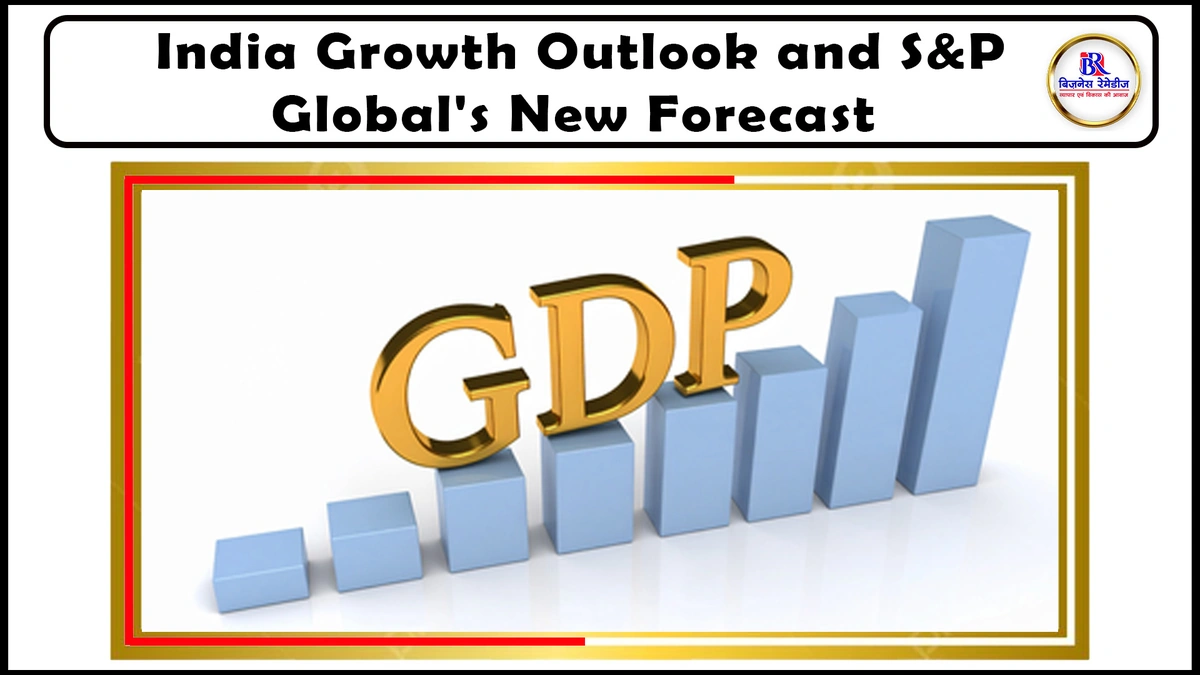
Here’s the thing: these growth projections aren’t just numbers floating in the air. They’re based on a whole lot of data crunching, analysis of market trends, and, crucially, an understanding of the global economic landscape. When S&P speaks, investors listen. And when investors listen, money moves. And that money can mean new factories, more jobs, and, well, a generally happier economy.
But what’s the real deal here? It’s not just about bragging rights on the global stage; this level of economic expansion has real-world consequences for ordinary Indians. More jobs (hopefully better-paying ones!), increased opportunities for entrepreneurs, and even better infrastructure. Think of it as a rising tide lifting all boats – though, let’s be honest, some boats rise faster than others. Let me rephrase that for clarity; growth provides potential. How it’s distributed and managed is a different story.
Also, let’s not forget the political angle. A strong economy is generally good news for the folks in power. It gives them something to campaign on, something to point to as evidence of their success. So, yeah, these projections are watched closely in Delhi too.
The US Tariff Threat | A Spanner in the Works?
Now, about those US tariffs. This is where things get a bit dicey. See, India is a major exporter, and a significant chunk of those exports heads to the United States. If the US slaps tariffs on Indian goods, it makes them more expensive, which means Americans buy less of them. Simple, right? Less demand means less production, which ultimately means slower growth. And that 6.5-6.7% projection starts to look a little less certain.
But, there is an issue here. Let’s be honest, this isn’t just about tariffs; it’s about the whole global trade environment. The US-China trade war, Brexit, the general rise of protectionist sentiment – it all adds up to a more uncertain world for exporters. And India, despite its growing domestic market, is still heavily reliant on exports.
What fascinates me is how India navigates this. Does it double down on trade deals with other countries? Does it focus on boosting domestic demand? Or does it try to play nice with the US and hope for the best? The answer, I suspect, is a bit of all three. One common mistake I see people make is thinking of the economy as this abstract thing that doesn’t affect them. Trust me, it does. It affects everything from the interest rate on your home loan to the price of onions at the market.
Beyond the Numbers | The Human Story of Growth
I initially thought this was straightforward, but then I realized it’s easy to get lost in the numbers and forget what this is all about: people. Sustainable growth isn’t just about GDP figures; it’s about creating opportunities for millions of Indians to improve their lives. It’s about access to better healthcare, education, and infrastructure. It’s about reducing poverty and inequality. And that’s a much tougher challenge than simply hitting a growth target.

Let’s be honest; there are still millions of Indians struggling to make ends meet. Growth needs to be inclusive, meaning it needs to benefit everyone, not just a select few. And that requires smart policies, effective governance, and a whole lot of political will. As per the guidelines mentioned in the information bulletin, ensuring equitable distribution is as vital as achieving high growth rates. The economic forecast also hinges on factors like agricultural output , industrial performance, and the services sector.
One thing you absolutely must double-check is how the benefits of growth reach the most vulnerable sections of society. We need to ensure that economic progress translates into tangible improvements in their lives. A strong Indian economy can provide better opportunities for employment and entrepreneurship.
This reminds me of a conversation I had with a small business owner in Jaipur. He told me how government initiatives and increased consumer spending had helped him expand his business and hire more people. That’s the kind of story we need to see more of.
Navigating the Future | India’s Economic Path Ahead
So, what does all this mean for you and me? Well, it depends. If you’re an entrepreneur, it could mean more opportunities to grow your business. If you’re a job seeker, it could mean more job openings. If you’re an investor, it could mean higher returns. But, it also means being aware of the risks. Those US tariffs, the global economic slowdown, and even internal factors like inflation could all throw a wrench in the works.
According to the latest circular on the official website, it’s crucial to stay informed and adapt to changing circumstances. The one thing you absolutely must double-check on is the credibility of sources before making any decisions based on economic news. As the Indian economy strives to compete with global powers like China, maintaining fiscal policies and promoting innovation will be key.
For example, understanding how geopolitical tensions can affect trade balances will become increasingly important for businesses. Access to funding and capital markets will also play a role in accelerating the economic development . So, understanding the nuances of the S&P projections will be important.
Here are a few tips for Indian businesses, according to my experience: Focus on diversification, both in terms of markets and products; invest in innovation and technology to improve competitiveness; and build strong relationships with suppliers and customers. And, of course, keep a close eye on those global economic trends.
In conclusion, while the S&P forecast is encouraging, it’s essential to remember that economic projections are just that projections. They’re not guarantees. The future is uncertain, and anything can happen. But, by staying informed, being adaptable, and focusing on creating value, India can continue on its growth trajectory and build a more prosperous future for all. And India‘s commitment to sustainable development goals will be crucial for inclusive growth.

FAQ Section
What if I’m confused by all these economic terms?
Hey, it’s normal! Economics can be dense. Start by understanding the basics: GDP, inflation, interest rates. There are tons of resources online (Investopedia is your friend!). Focus on how these things affect you directly – your job, your savings, your spending habits.
How will US tariffs directly impact Indian consumers?
Potentially higher prices on imported goods from the US (think electronics, certain food products). It could also indirectly affect the prices of Indian-made goods if manufacturers face higher input costs. However, India is also striving to become a self-reliant economy so these might be temporary.
What steps can small businesses take to mitigate the impact of tariffs?
Explore alternative markets. Diversify your product offerings. Negotiate better deals with suppliers. Invest in efficiency improvements to reduce costs. And, most importantly, stay nimble and adapt to changing market conditions.
Is India’s growth sustainable?
That’s the million-dollar question! It depends on a lot of factors, including continued reforms, investments in infrastructure, and a favorable global environment. There are certainly challenges, but India has the potential to sustain its growth momentum.
How can I personally contribute to India’s economic growth?
Support local businesses. Invest in Indian companies. Pay your taxes. Be a responsible consumer. And, most importantly, be an engaged citizen. Your actions, no matter how small, can make a difference.
What role does the Reserve Bank of India (RBI) play in managing growth?
The RBI plays a critical role by managing monetary policy (interest rates, money supply) to control inflation and support growth. It also regulates the banking system and ensures financial stability. It is also important to remember that the RBI is an independent organization.
Ultimately, India’s economic future rests on the shoulders of its people. Their innovation, resilience, and determination will be the driving forces behind the nation’s continued success.
Disclaimer: ऊपर दिए गए विचार और सिफारिशें व्यक्तिगत विश्लेषकों या ब्रोकिंग कंपनियों की हैं, न कि "Finance Ghar" की। हम निवेशकों को सलाह देते हैं कि किसी भी निवेश निर्णय लेने से पहले प्रमाणित विशेषज्ञों से परामर्श करें। निवेश में जोखिम होता है और सही जानकारी के बिना निर्णय लेना हानिकारक हो सकता है।