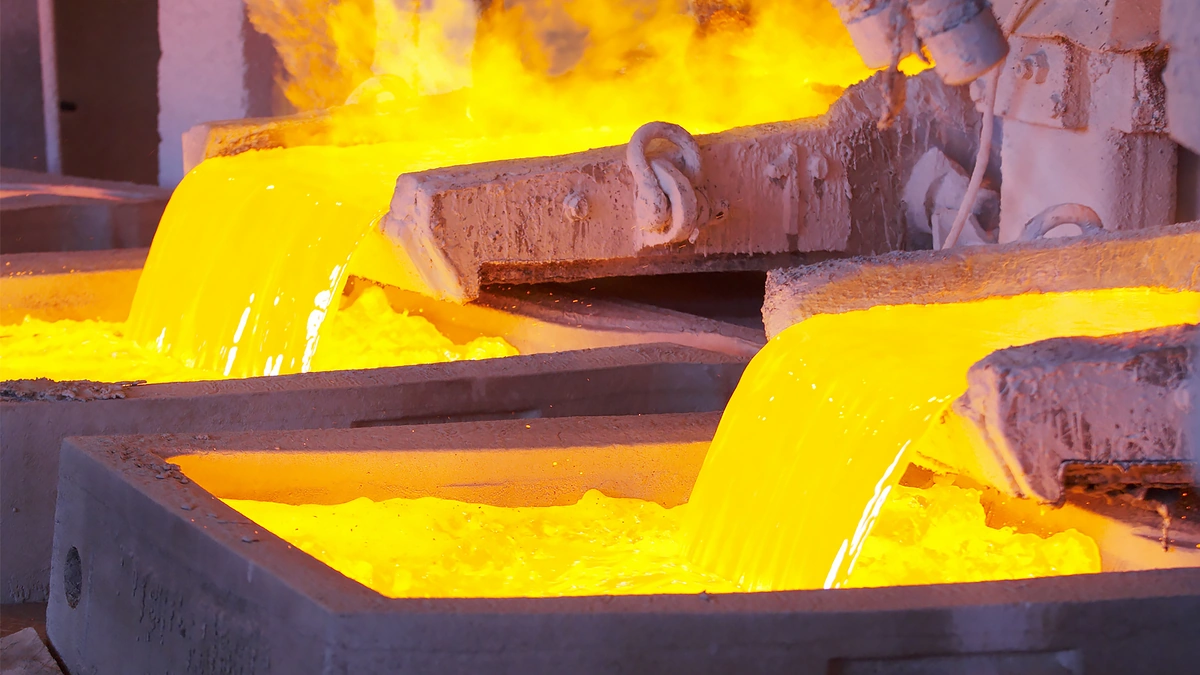
So, Adani’s shiny new copper smelter is facing a bit of a hiccup, isn’t it? News outlets are buzzing about a “global ore shortage” throwing a wrench into their production plans. But here’s the thing: simply reporting that isn’t enough. What exactly does this mean for India’s manufacturing ambitions? What are the ripple effects we should be paying attention to? Let’s dive deeper.
The Real Culprit | Beyond a Simple Shortage
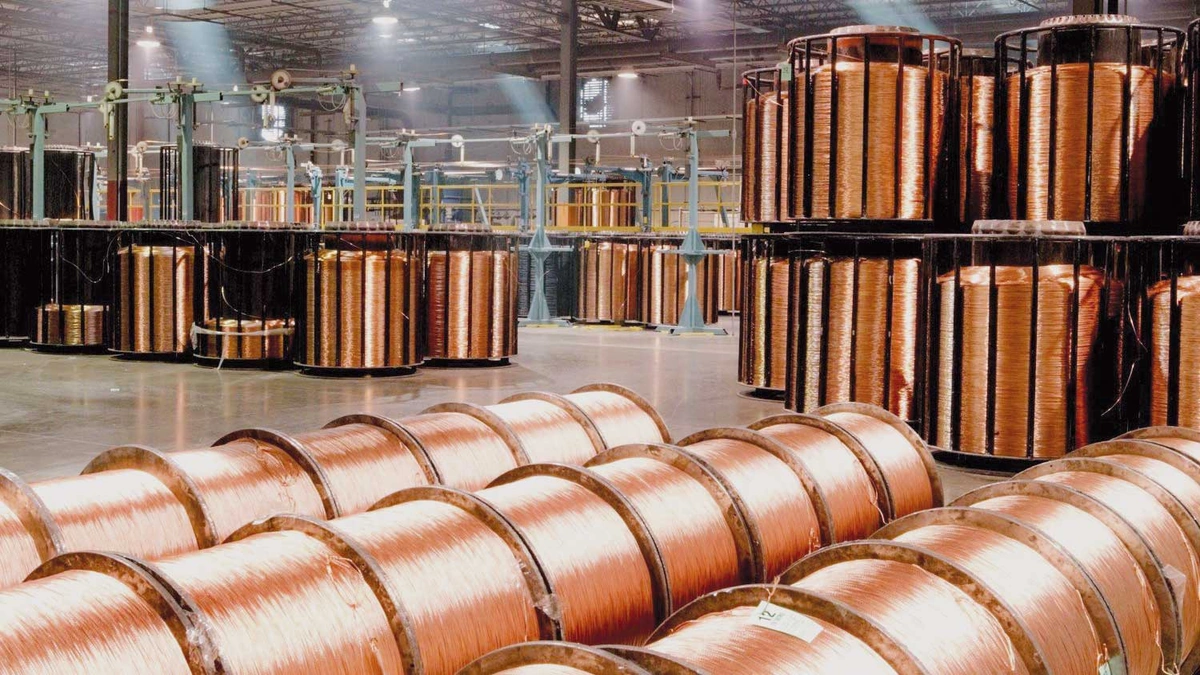
It’s easy to say there’s a global ore shortage , but that’s a bit like saying Mumbai gets “some rain” during the monsoon. Underneath the surface, there are several factors converging. First, the demand for copper is skyrocketing – fueled by the green energy transition (think electric vehicles, solar panels, and wind turbines). But, and this is a big ‘but,’ new mine development isn’t keeping pace. It takes years, sometimes decades, to bring a new copper mine online. That’s a significant supply chain disruption issue.
And, adding fuel to the fire, existing mines are facing challenges. Some are dealing with lower ore grades (meaning they have to process more rock to get the same amount of copper). Others are grappling with political instability or environmental regulations that are slowing down production. It’s a perfect storm, really. Let me rephrase that for clarity – A confluence of factors is putting a squeeze on copper supply.
Why Adani’s Smelter Matters to India
Okay, so there’s a shortage. Why should the average person in India care about Adani’s copper smelter ? Well, for starters, India is aiming to become a manufacturing powerhouse. And copper is a critical component in everything from electrical wiring and construction materials to electronics and automobiles. A reliable domestic source of copper is essential for reducing reliance on imports and boosting the Make in India initiative.
What fascinates me is the potential for job creation. A fully operational smelter means jobs – not just in the plant itself, but also in related industries like transportation, logistics, and manufacturing. And let’s not forget the economic benefits that come from increased exports. The copper industry contributes significantly to the GDP growth and development of infrastructure. But this ore shortage could put a big dent in these plans, at least in the short term. We also need to address environmental regulations in order to improve the current landscape.
Navigating the Storm | What Can Be Done?
So, what’s the solution? It’s not a simple fix, that’s for sure. One option is to focus on securing long-term supply contracts with copper ore producers around the world. This requires careful diplomacy and a willingness to pay competitive prices. Another avenue is to invest in exploration and development of domestic copper resources. India has significant untapped reserves, but it needs the right policies and investments to unlock them.

And here’s the thing I see people often miss: recycling. Promoting copper recycling can reduce the demand for newly mined ore. Used cables, pipes, and electronic waste can all be valuable sources of copper. Creating a robust recycling ecosystem requires investment in infrastructure, technology, and public awareness campaigns. Furthermore, strategic partnerships and international trade agreements can ensure a stable copper supply chain. Also, improving logistical capabilities and supply chain management can help to reduce delays.
What I initially thought was straightforward, but then I realized the copper price is influenced by global market dynamics. Here is an interesting read to help you improve your strategy.
The Long Game | A Sustainable Copper Strategy
Ultimately, India needs a comprehensive and sustainable copper strategy. This means diversifying its supply sources, investing in domestic exploration and recycling, and promoting efficient use of copper in various industries. And it also means addressing the environmental and social concerns associated with copper mining and smelting. Because let’s be honest, a shiny new smelter isn’t worth much if it comes at the expense of the environment or the well-being of local communities.
The current mining regulations and project approval processes need streamlining. This would attract additional investments and accelerate domestic copper production. Also, investing in research and development for innovative ore processing technologies can further enhance the country’s self-sufficiency. What fascinates me is that, we need to address the sustainability challenges while balancing economic imperatives. This is essential for long-term success.
FAQ Section
Frequently Asked Questions
What if the global ore shortage continues?
If the shortage persists, we could see increased copper prices, delays in manufacturing projects, and a slowdown in India’s economic growth. Alternative materials and new supply sources would be necessary.
How does this affect the average consumer?
Higher copper prices could translate to increased costs for electronics, appliances, and other goods that rely on copper. This could impact household budgets.

What is Adani doing to address the issue?
Adani is likely exploring various options, including securing long-term supply contracts, investing in exploration, and optimizing their production processes. They may also be lobbying the government for support.
Can copper be replaced by other materials?
In some applications, aluminum or other materials can be used as substitutes for copper. However, copper’s superior conductivity and other properties make it difficult to replace entirely.
What are the environmental impacts of copper smelting?
Copper smelting can release pollutants into the air and water. Modern smelters are equipped with pollution control technologies, but it is essential to monitor and regulate their emissions to minimize environmental damage.
So, while the global ore shortage presents a challenge, it also presents an opportunity for India to develop a more resilient and sustainable copper industry. It will require careful planning, strategic investments, and a commitment to responsible resource management. It’s not just about building a smelter; it’s about building a future.
Disclaimer: ऊपर दिए गए विचार और सिफारिशें व्यक्तिगत विश्लेषकों या ब्रोकिंग कंपनियों की हैं, न कि "Finance Ghar" की। हम निवेशकों को सलाह देते हैं कि किसी भी निवेश निर्णय लेने से पहले प्रमाणित विशेषज्ञों से परामर्श करें। निवेश में जोखिम होता है और सही जानकारी के बिना निर्णय लेना हानिकारक हो सकता है।