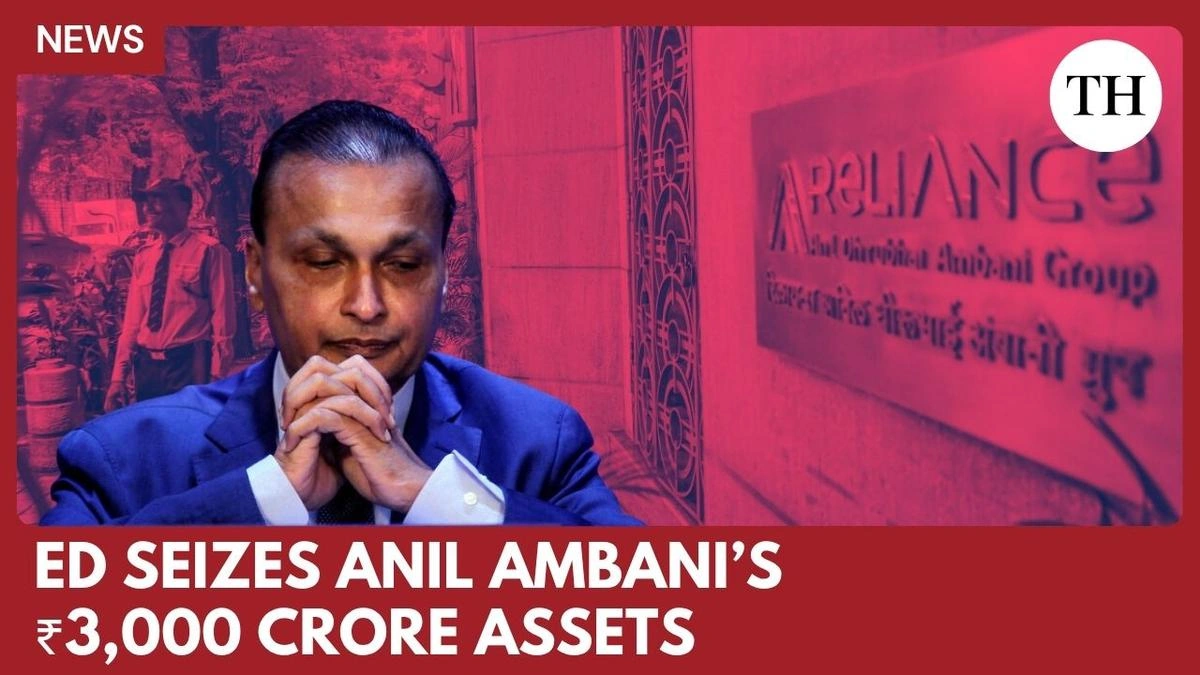
Anil Ambani, once a titan of Indian industry, finds himself in a precarious situation. The Enforcement Directorate (ED) has attached his assets worth ₹3,000 crore in connection with an alleged ₹20,000 crore bank fraud case. But, here’s the thing, this isn’t just another news report. It’s a critical juncture that raises larger questions about corporate governance, lending practices, and the very definition of ‘too big to fail’. What does this mean for the common investor, and what lessons can be learned from this saga? Let’s dive in.
The Anatomy of the Alleged Fraud | More Than Just Numbers
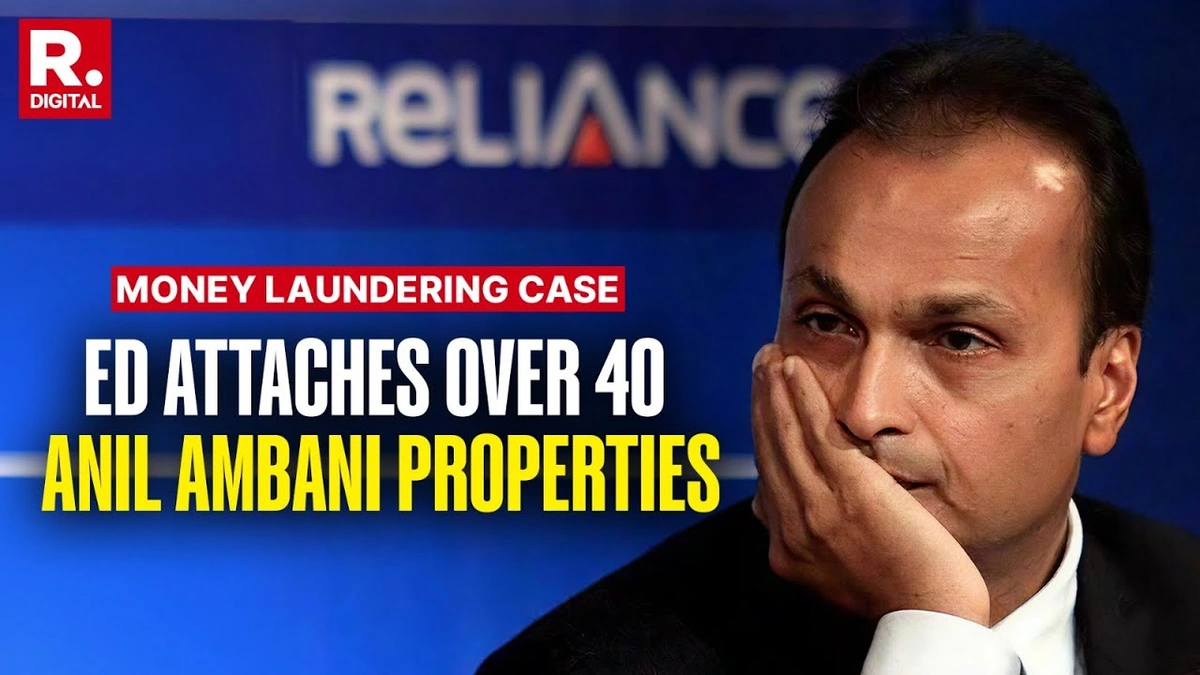
So, you see the headline – ₹20,000 crore bank fraud . Sounds massive, right? It is. But what does it actually mean? It boils down to allegations that Anil Ambani’s companies took out massive loans from various banks and then, allegedly, diverted or misused those funds. Now, I initially thought this was a straightforward case of defaulting on loans, but then I realized the scale and complexity involved.The allegationssuggest a deliberate attempt to defraud the banks, and by extension, the Indian public, whose money is often tied up in these institutions. Consider this: a significant amount of public money is invested in these banks. The failure of loans of this magnitude can potentially destabilize the entire financial system.
What fascinates me is the apparent ease with which such enormous sums of money were allegedly accessed. Were the banks not doing their due diligence? What were the risk assessment protocols in place? These are critical questions that need to be answered to prevent similar incidents in the future. It’s not enough to just attach assets; we need a systemic overhaul.
Who’s Really Paying the Price? The Ripple Effect
Let’s be honest, when we read about these high-profile cases, it’s easy to feel detached. But the truth is, these events have a ripple effect that touches all of us. When banks take a hit from such massive frauds, they become more cautious with lending. This, in turn, can impact small businesses, entrepreneurs, and even individuals looking for home or education loans. Suddenly, access to credit becomes tighter and more expensive.
Moreover, such incidents erode public trust in the banking system. People start questioning the safety of their deposits, and that can lead to financial instability. It’s a vicious cycle. The Anil Ambani case, therefore, isn’t just about one individual or one company; it’s about the integrity of the entire financial ecosystem.
The Role of Regulatory Bodies | Are They Doing Enough?
The ED’s action in attaching Anil Ambani’s assets is a step in the right direction. But it also begs the question: why did it take so long? Were there red flags that were missed or ignored? The role of regulatory bodies like the Reserve Bank of India (RBI) and the ED is crucial in preventing and detecting such frauds. We need to ensure that these institutions are adequately equipped with the resources, expertise, and, most importantly, the independence to effectively monitor and regulate the financial sector.Internal Link

A common mistake I see is thinking that regulation is a hindrance to economic growth. In reality, effective regulation is the bedrock of a stable and sustainable financial system. It protects investors, promotes fair competition, and prevents the kind of reckless behavior that can lead to devastating consequences. The ED needs to conduct a thorough investigation into the ₹20,000 crore bank fraud case , leaving no stone unturned.
Beyond Asset Attachment | What’s Next?
Attaching assets is just the beginning. The real challenge lies in prosecuting the culprits and recovering the defrauded funds. This process can be long, complex, and often frustratingly slow. But it’s essential to send a clear message that such actions will not be tolerated. The legal system needs to be strengthened to ensure speedy trials and effective enforcement of judgments.
And it’s not just about punishment; it’s also about prevention. We need to learn from these mistakes and implement reforms that make it more difficult for such frauds to occur in the first place. This includes strengthening internal controls within banks, improving risk assessment processes, and enhancing regulatory oversight.
But, let’s not only focus on the legal aspects of this corporate governance issue; there needs to be cultural shift. We need to instill a culture of integrity and accountability in the corporate world, where ethical behavior is valued and rewarded, and where individuals are held responsible for their actions.
Learning from the Fall | A Moment for Reflection
The Anil Ambani saga is a cautionary tale. It’s a reminder that even the most successful individuals and companies can be vulnerable to financial mismanagement and ethical lapses. It’s a moment for reflection, not just for the financial sector, but for all of us. It underscores the importance of vigilance, accountability, and a commitment to ethical behavior.
Ultimately, the Anil Ambani case is more than just a news story; it’s a mirror reflecting the strengths and weaknesses of our financial system. It’s an opportunity to learn, to reform, and to build a more resilient and ethical future.Internal LinkWe must ensure this doesn’t happen again, safeguarding the financial well-being of the nation. The investigation into Anil Ambani group is ongoing.

FAQ
Frequently Asked Questions
What exactly does “asset attachment” mean?
It means the ED has seized control of assets (properties, bank accounts, etc.) owned by Anil Ambani, preventing him from selling or transferring them while the investigation is underway.
What happens to the attached assets?
The assets remain under the ED’s control. If Anil Ambani is found guilty, these assets can be used to repay the defrauded banks. But if not guilty, they will return to him.
Could this affect Reliance Infrastructure or other Reliance companies?
Potentially, yes. While the attachment is directly linked to Anil Ambani, it can indirectly impact investor confidence and the financial stability of associated companies. This event may affect Reliance group .
Where can I find more information about the case?
Keep an eye on reputable news sources and the official websites of the Enforcement Directorate and the Reserve Bank of India. This financial fraud is big news.
What can be done to prevent similar frauds in the future?
Strengthening regulatory oversight, improving internal controls within banks, and promoting a culture of ethical behavior in the corporate world are crucial steps. Government needs to implement financial regulations .
Disclaimer: ऊपर दिए गए विचार और सिफारिशें व्यक्तिगत विश्लेषकों या ब्रोकिंग कंपनियों की हैं, न कि "Finance Ghar" की। हम निवेशकों को सलाह देते हैं कि किसी भी निवेश निर्णय लेने से पहले प्रमाणित विशेषज्ञों से परामर्श करें। निवेश में जोखिम होता है और सही जानकारी के बिना निर्णय लेना हानिकारक हो सकता है।