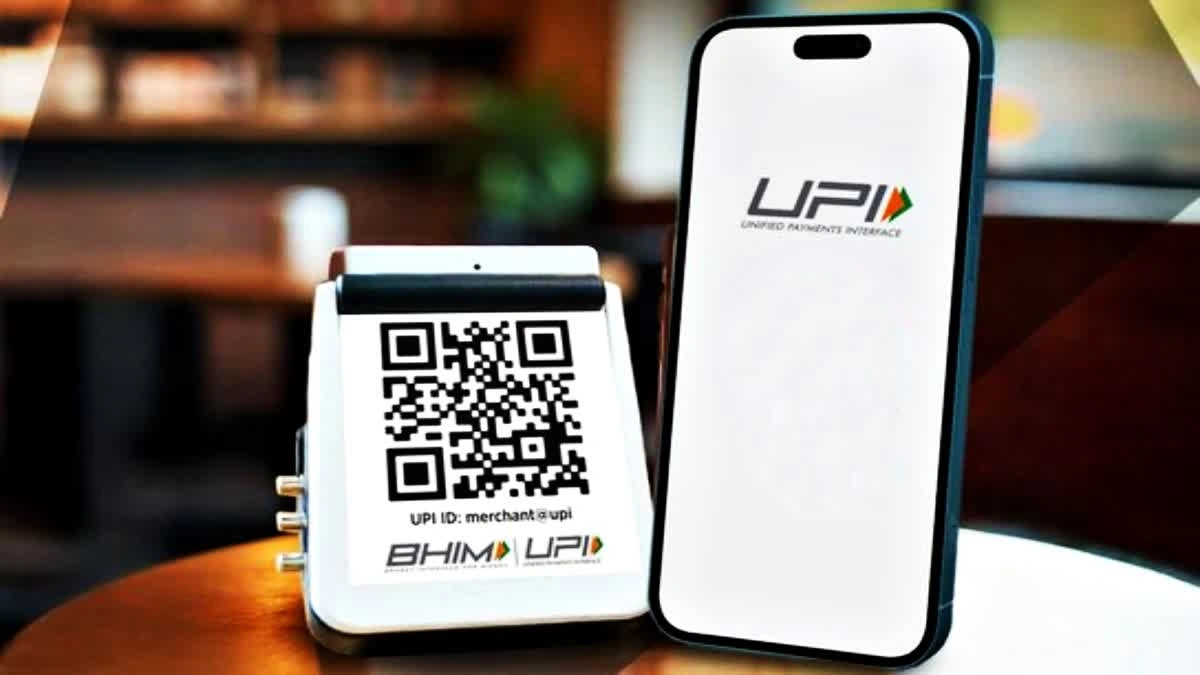
Imagine a world where sending money to your cousin studying in Germany is as easy as paying for your chai at the local tapri. That future might be closer than you think. The buzz is all about how UPI , India’s homegrown Unified Payments Interface , and the European Central Bank’s (ECB) Target Instant Payment Settlement (TIPS) system could potentially link up. But let’s be honest, these financial acronyms can sound like alphabet soup. What’s the big deal, and why should someone in India even care? Well, buckle up, because this isn’t just about faster transactions; it’s about reshaping the future of international finance and India’s role in it.
Why This Matters | Beyond Just Faster Transfers
Here’s the thing: the current system for international money transfers can be a real pain. It often involves multiple intermediaries, hefty fees, and takes what feels like forever. Think about it: if you want to send money abroad, you need to use SWIFT. It’s slow, expensive, and frankly, outdated. Now, I know what you’re thinking – SWIFT does work. But work and be efficient are two different things. The potential integration of UPI and TIPS aims to cut through that complexity. According to experts, cross-border payments are expected to become cheaper and faster. And who doesn’t want that?
But it’s not just about convenience. The real kicker is the potential for India to project its digital influence onto the global stage. UPI’s global expansion would allow merchants in Europe to easily accept payments from Indian tourists and business travelers, and vice versa. That’s a huge deal for tourism and trade. Let me rephrase that for clarity: India is attempting to set the global standard for digital financial transfers. This initiative will allow Indian citizens to easily transact in foreign markets. This is a powerful statement about India’s technological prowess and its ambition to be a leader in the digital economy. The ECB’s TIPS system is designed for instant payments in Europe, and linking it with UPI could create a seamless payment corridor between India and Europe.
How Could This Actually Work? The Tech Behind the Buzz
Okay, let’s dive a bit into the “how.” I initially thought this would be super complicated, but the core concept is relatively straightforward. The idea is to create a bridge between the two payment systems. Imagine a translator who can understand both UPI and TIPS and facilitate communication between them. In reality, it might involve developing a common set of standards and protocols that allow the systems to “talk” to each other. But, the details are still being ironed out. What’s important is that this isn’t just some pie-in-the-sky idea; there are already examples of UPI being linked with other countries’ payment systems. Remember the partnership with Singapore’s PayNow? This integration shows that interoperability is not just a buzzword; it’s a tangible possibility. Such partnerships pave the way for similar agreements with other countries, including those in Europe.
The Challenges Ahead | It’s Not All Smooth Sailing
Now, let’s be real. It’s not all sunshine and roses. There are challenges to overcome. For one, regulatory hurdles. Each country has its own set of rules and regulations governing financial transactions. Aligning these rules and ensuring compliance can be a complex and time-consuming process. Then there’s the issue of security. Ensuring that transactions are secure and protected from fraud is paramount. This requires robust security measures and constant vigilance. Data privacy is another concern. Protecting sensitive financial data and complying with data privacy regulations is crucial. Plus, the integration must be technically sound, ensuring a seamless and reliable experience for users. Establishing the technical framework to connect disparate payment systems will be complex.
What It Means for You | The Indian Consumer
So, how does all of this affect you, the average Indian consumer? Well, for starters, if you travel to Europe, you might be able to use your UPI app to pay for goods and services, just like you do at home. That’s a game-changer. No more fumbling with credit cards or exchanging currency. But even if you don’t travel abroad, this integration could have broader implications. It could pave the way for cheaper and faster remittances, making it easier for Indians working abroad to send money home. And it could boost trade between India and Europe, creating new opportunities for Indian businesses. Increased digital transactions and reduced reliance on traditional banking systems are also potential benefits. This could improve financial inclusion, bringing more people into the formal financial system.
The Future of Finance | India’s Digital Leap
What fascinates me is the bigger picture here. This potential UPI-TIPS integration isn’t just a one-off event; it’s part of a broader trend towards the digitalization of finance. India is at the forefront of this revolution, and UPI is a key weapon in its arsenal. As UPI continues to expand its reach and integrate with other payment systems around the world, it has the potential to transform the way we think about money and payments. The move signifies India’s ambition to play a pivotal role in shaping the future of global finance. What happens in the coming years will be crucial in determining whether this vision becomes a reality.
FAQ Section
Frequently Asked Questions
What exactly is UPI?
UPI , or Unified Payments Interface, is a real-time payment system developed in India that allows you to instantly transfer money between bank accounts using a mobile app.
What is ECB’s TIPS?
TIPS, or Target Instant Payment Settlement, is a system developed by the European Central Bank for instant payments in Europe.
How will UPI and TIPS integration benefit me?
It could lead to cheaper and faster cross-border payments, making it easier to send and receive money internationally. Plus, it could allow you to use UPI in Europe.

Is my data secure when using UPI for international transactions?
Security is a top priority. Robust measures and compliance with data privacy regulations are essential to protect your financial data.
When can I expect this integration to be implemented?
The timeline is still uncertain, as regulatory and technical details need to be worked out. However, ongoing efforts are being made to expedite the process.
Disclaimer: ऊपर दिए गए विचार और सिफारिशें व्यक्तिगत विश्लेषकों या ब्रोकिंग कंपनियों की हैं, न कि "Finance Ghar" की। हम निवेशकों को सलाह देते हैं कि किसी भी निवेश निर्णय लेने से पहले प्रमाणित विशेषज्ञों से परामर्श करें। निवेश में जोखिम होता है और सही जानकारी के बिना निर्णय लेना हानिकारक हो सकता है।