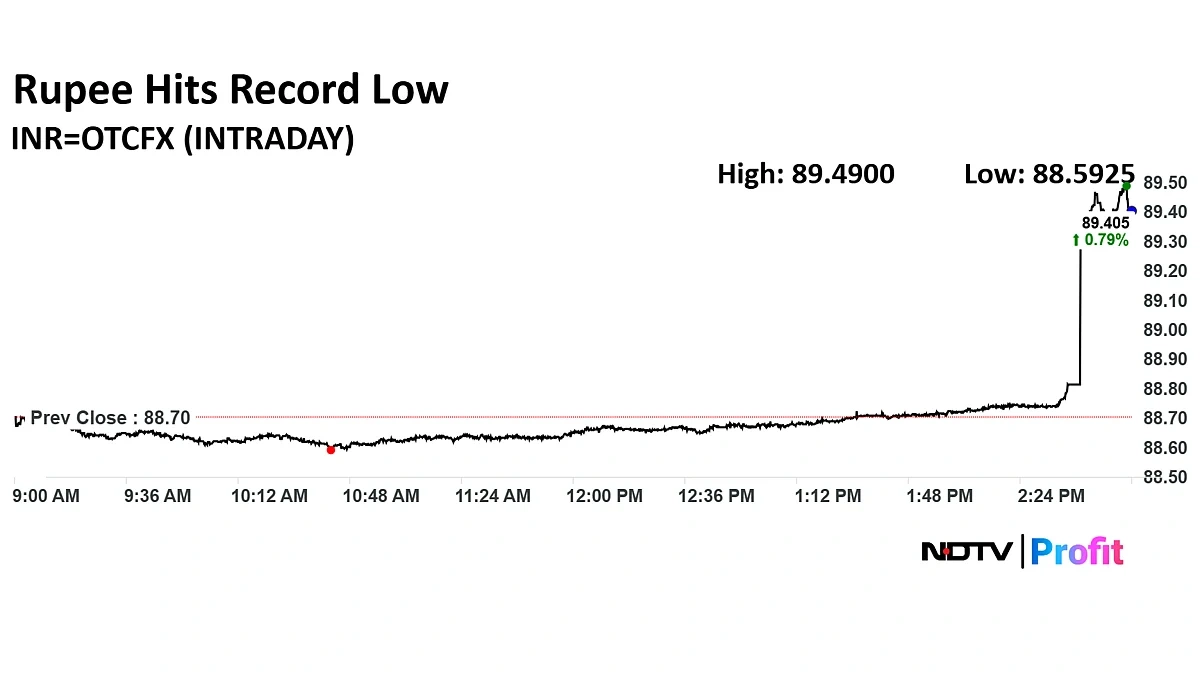
The Indian stock market is buzzing, isn’t it? Nifty 50 has soared to a historic high of 26,296, and the Sensex is right there with it, painting the trading screens green. But before you jump on the bandwagon, let’s take a breath and understand what’s really going on. Because, let’s be honest, a headline only tells you so much.
Here’s the thing: market rallies can feel like a party you’re late to. Everyone’s celebrating, profits are flowing, and you’re wondering if you should grab a slice of the action. But chasing a rally without understanding its foundations is like dancing blindfolded – exhilarating, maybe, but potentially disastrous.
Decoding the Surge: What’s Fueling This Stock Market Record?

So, what’s behind this impressive surge? It’s not just one thing, but a confluence of factors. I initially thought it was purely driven by global cues, but digging deeper reveals a more nuanced picture.
Firstly, strong macroeconomic indicators are playing a crucial role. India’s GDP growth has been robust, and corporate earnings have generally exceeded expectations. This paints a picture of a healthy and growing economy, which naturally attracts investment. Moreover, positive sentiments stemming from expectations of political stability are further boosting investor confidence.
Secondly, foreign institutional investors (FIIs) are back in the game. After a period of net selling, they’ve started pouring money back into Indian equities. This infusion of capital provides significant momentum to the market. But (and this is a big but) FII flows can be fickle. They can turn on a dime based on global events and risk sentiment. Keeping a close eye on FII activity is crucial.
Thirdly, domestic retail investors are also contributing significantly. The rise of discount brokers and online trading platforms has made it easier than ever for individuals to participate in the stock market. This increased participation provides a cushion against potential FII outflows. Plus, the narrative of India’s growth story has instilled long-term confidence among retail investors – many are seeing this as an opportune time to increase their exposure to equities.
Indian stock market rallies are not uncommon, but the scale of this one has caught some off guard. The BSE Sensex , another key market indicator, has also shown substantial gains, reinforcing the overall bullish trend.
The Ripple Effect | How This Rally Impacts You
Okay, so the market’s up. Great. But how does this affect your life, your investments, your future? Let’s break it down.
For existing investors, this rally is undoubtedly good news. The value of your equity holdings has likely increased, boosting your overall portfolio returns. It might be tempting to book profits and cash out, but before you do, consider your long-term financial goals. Are you investing for retirement? A child’s education? Selling now might mean missing out on further gains.
If you’re considering entering the market now, proceed with caution. Don’t get caught up in the frenzy and make impulsive decisions. A common mistake I see people make is investing all their savings at once, right at the peak of the rally. This is a recipe for disaster. Instead, consider a staggered approach – investing a fixed amount at regular intervals (like monthly SIPs). This helps you average out your purchase price and reduces the risk of buying at the top.
And what if you’re not directly invested in the stock market? Well, the ripple effects of a strong stock market can still impact you. Increased investor confidence can lead to higher consumer spending, boosting economic growth. This, in turn, can create more job opportunities and increase wages. So, even if you’re not playing the stock market game, you’re still indirectly benefiting from its success. However, if the Indian economy suffers a setback, it will also affect the stock market.
Potential Pitfalls | Navigating the Risks in a Record-Breaking Market
Let’s be realistic: no rally lasts forever. What goes up must eventually come down (or at least consolidate). So, what are the potential risks lurking beneath the surface of this bull run?
One major risk is overvaluation. As stock prices rise, valuations become stretched. Some analysts believe that certain sectors are already trading at unsustainable levels. This means that the market is becoming increasingly vulnerable to a correction – a sharp and sudden decline in prices. Corrections are a natural part of the market cycle, but they can be painful for those who are overexposed to equities.
Another risk is rising interest rates. Central banks around the world are grappling with inflation, and many are raising interest rates to combat it. Higher interest rates make borrowing more expensive, which can dampen economic growth and negatively impact corporate earnings. This, in turn, can trigger a stock market sell-off.
Geopolitical risks also loom large. Events like wars, trade disputes, and political instability can all rattle investor confidence and send stock markets tumbling. These events are often unpredictable, making it difficult to prepare for them. That’s why diversification is key. Don’t put all your eggs in one basket.
I initially thought this was straightforward, but then I realized that understanding these risks is paramount to preserving your wealth. Don’t blindly follow the herd. Do your own research, consult with a financial advisor, and make informed decisions.
Strategies for Smart Investing in a Bull Market
Okay, so we’ve covered the good, the bad, and the potentially ugly. Now, let’s talk about how to navigate this bull market intelligently. A common mistake I see people making is buying stocks based on tips or rumors. This is pure speculation, not investing. And in the long run, it rarely pays off.
Here are a few strategies to consider:
- Diversify your portfolio: Don’t just invest in one or two stocks. Spread your investments across different sectors, asset classes (like stocks, bonds, and real estate), and geographies. This reduces your overall risk and helps you weather market volatility.
- Focus on quality stocks: Look for companies with strong fundamentals, consistent earnings growth, and a proven track record. These companies are more likely to withstand market downturns and deliver long-term returns.
- Rebalance your portfolio regularly: As your investments grow, your portfolio allocation may drift away from your target. Rebalancing involves selling some assets that have performed well and buying others that have underperformed, bringing your portfolio back in line with your desired allocation.
- Stay disciplined: Don’t let emotions dictate your investment decisions. Stick to your long-term financial plan and avoid making impulsive moves based on short-term market fluctuations.
Remember, investing is a marathon, not a sprint. It’s about building wealth gradually over time, not getting rich quick. Focus on your long-term goals , stay informed, and make smart, disciplined decisions.
Long-Term Investment and Sustainable Growth
Let’s shift gears a bit and talk about something that is very important: long-term investment and sustainable growth. After all, what good is a stock market boom if it is not sustainable and does not lead to real, lasting benefits for the economy and society?
Sustainable growth is about more than just numbers on a screen. It’s about creating an economy that works for everyone, that is environmentally responsible, and that is resilient to shocks. This means investing in education, healthcare, infrastructure, and renewable energy. It also means promoting innovation, entrepreneurship, and social inclusion.
And here’s the thing: long-term investment is the key to sustainable growth. Short-term speculation might generate quick profits, but it doesn’t create lasting value. Real value is created by companies that invest in research and development, that build strong brands, and that create jobs.

So, as you participate in this bull market, think about how your investments can contribute to sustainable growth. Support companies that are committed to social responsibility, that are reducing their environmental impact, and that are creating opportunities for all. Investment strategy should be thought through and not impulsive.
As per the guidelines mentioned in the information bulletin, it’s vital that all investors, big and small, contribute to a market that prioritizes not just profit, but also the well-being of the community and the planet.
FAQ
Frequently Asked Questions (FAQs)
What if I’m new to the stock market?
Start with the basics! Learn about different investment options, understand risk tolerance, and consider consulting a financial advisor. Don’t rush into it.
Is it too late to invest in this rally?
It depends on your risk appetite and investment horizon. Consider a staggered approach and focus on long-term value rather than short-term gains.
What are some key sectors to watch?
Sectors like technology, healthcare, and renewable energy are expected to continue growing in the long term. But again, do your own research.
How can I protect myself from a market correction?
Diversify your portfolio, rebalance regularly, and stay disciplined. Don’t panic sell during downturns.
Where can I find reliable information about the stock market?
Consult with financial advisors, read reputable financial news sources, and research companies thoroughly before investing.
What role do financial markets play in the broader economy?
They facilitate capital formation, allocate resources efficiently, and provide a platform for companies to raise funds for growth. Their health and stability are crucial for overall economic stability.
So, the Nifty has hit a record high. The Sensex is surging. But remember, the stock market is a complex beast. It’s not just about chasing numbers, it’s about understanding the underlying forces, managing risks, and investing wisely. Approach it with caution, do your homework, and you might just come out ahead. And the best part? The Indian economy thrives.
Disclaimer: ऊपर दिए गए विचार और सिफारिशें व्यक्तिगत विश्लेषकों या ब्रोकिंग कंपनियों की हैं, न कि "Finance Ghar" की। हम निवेशकों को सलाह देते हैं कि किसी भी निवेश निर्णय लेने से पहले प्रमाणित विशेषज्ञों से परामर्श करें। निवेश में जोखिम होता है और सही जानकारी के बिना निर्णय लेना हानिकारक हो सकता है।