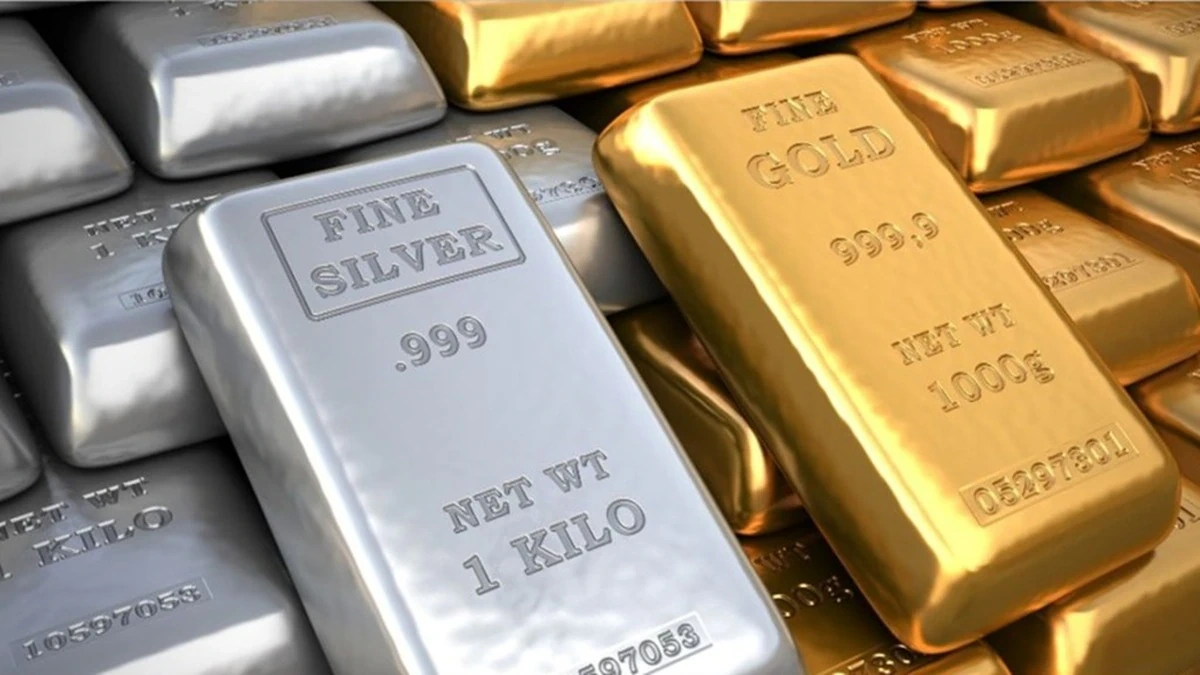
Here’s the thing: we always hear about gold . Gold this, gold that. But let’s be honest, it’s silver that’s been quietly making waves. Not just any waves, but a tsunami of price action that’s leaving gold in its shimmering dust. A 92% price hike? That’s not just impressive; that’s downright audacious. What fascinates me is why this is happening, and what it means for you, sitting there, possibly with some idle cash wondering where to put it.
The ‘Why’ Behind Silver’s Surge | More Than Just Shiny Metal
So, why silver? Is it just a fad, a blip on the radar before gold reclaims its throne? I don’t think so. This isn’t your grandma’s silver tea set appreciation (although, those are lovely). This is about industrial demand, folks. Silver isn’t just a pretty face; it’s a workhorse. It’s essential in electronics, solar panels, and even medicine. In fact, according to the Silver Institute, industrial demand accounts for over 50% of silver’s total demand. That’s a huge chunk, and it’s growing.
But there’s more to it than just industrial use. Remember that feeling of uncertainty in the air? That’s a big driver too. When the world feels wobbly, people flock to tangible assets. And while gold gets all the headlines as a safe haven, silver offers a slightly more accessible entry point for many investors. Think of it as gold’s more approachable, slightly rebellious cousin.
And let’s not forget inflation. The rising cost of, well, everything, is pushing people to seek stores of value that can outpace the eroding power of the rupee. Silver, with its dual role as both a precious metal and an industrial commodity, is particularly well-positioned to benefit from this trend. It’s like having your cake and eating it too – a hedge against inflation and a beneficiary of economic growth (thanks to its industrial applications). Let me rephrase that for clarity – silver investment is a potent strategy to counteract inflation and to grow wealth.
Riding the Silver Wave | How to Capitalize on This Opportunity
Okay, so you’re convinced silver is worth a look. But how do you actually get in on the action? A common mistake I see people make is rushing in without a plan. Here’s the thing – you have to do your research. Don’t just blindly throw money at the shiny stuff. A good starting point is to research different ways to invest in silver. Do you want to buy physical silver (coins, bars, jewelry), or would you prefer a more hands-off approach through ETFs or futures contracts? Make sure you do your due diligence and consult with a qualified financial advisor.
Each option has its own pros and cons. Physical silver gives you that tangible feeling of ownership and can be a good hedge against systemic risk. But it also comes with storage and insurance costs. ETFs are more liquid and easier to trade, but you’re not actually holding any silver. Futures are highly leveraged, meaning they can magnify both your gains and your losses. As per guidelines, it is important to understand each before you dive in.
What fascinates me is that India has a rich history of silver usage, especially in jewelry and silverware. This cultural affinity can make silver investing feel more natural and less intimidating for many Indians. But, familiarity doesn’t equal expertise. Approach it with the same level of caution and research as any other investment.
The Global Economic Factors Fueling the Silver Price Hike
So, we’ve touched on industrial demand and safe-haven appeal. But the global economic picture is also playing a significant role. Interest rates, currency fluctuations, and geopolitical tensions all contribute to the ebb and flow of silver prices. The one thing you absolutely must double-check is your understanding of macro-economic environment. When central banks lower interest rates, for example, it tends to weaken currencies and make precious metals like silver more attractive.
But geopolitical instability is another factor to consider. Wars, trade disputes, and political unrest can all create uncertainty and drive investors towards safe-haven assets. According to data released from various sites, all these factors combined contribute to the increasing price of silver.
And let’s not forget the US dollar. Since silver is priced in dollars, a weaker dollar makes it cheaper for buyers in other currencies, boosting demand. I initially thought this was straightforward, but then I realized the interplay between these factors can be quite complex. It’s not enough to just look at one indicator in isolation. You need to consider the whole picture to make informed investment decisions. For example, you might look at how current retail shopping trends are impacting the economy.
Silver vs. Gold: Why Silver Bullion Might Be the Better Bet Right Now
Okay, let’s address the elephant in the room: gold. Gold is the OG precious metal, the king of safe havens. But silver’s recent performance suggests it might be the more compelling investment right now. Why? Well, silver is often called “poor man’s gold” because it’s relatively more affordable. This lower barrier to entry can attract a broader range of investors, further driving up demand.
But, what is also important to consider is the gold-silver ratio. This ratio measures the number of ounces of silver it takes to buy one ounce of gold. Historically, this ratio has fluctuated, but recently, it’s been relatively high, suggesting that silver is undervalued compared to gold. But remember, past performance is not indicative of future results. Still, the current ratio suggests that silver has more room to run.
What fascinates me is that silver has been historically considered undervalued compared to gold. As per Wikipedia, the ratio is much higher than it has been historically and that makes silver an attractive investment compared to gold.
Future Trends and the Long-Term Outlook for Silver Investment
So, what does the future hold for silver? I think the long-term outlook is positive. The increasing demand from industries like electric vehicles and renewable energy is likely to continue to support prices. Plus, the ongoing economic uncertainty and inflationary pressures could further boost its safe-haven appeal.
But, don’t expect a smooth ride. Silver prices can be volatile. Be prepared for ups and downs along the way. And remember to diversify your portfolio. Don’t put all your eggs in one shiny, silver basket. A well-rounded investment strategy includes a mix of assets, including stocks, bonds, and real estate.
Ultimately, investing in silver is a personal decision. It depends on your individual risk tolerance, investment goals, and financial situation. But, if you’re looking for a way to potentially profit from the ongoing economic trends and diversify your portfolio, silver is definitely worth considering.

So there you have it. Silver isn’t just a pretty metal; it’s a complex and dynamic asset with the potential to outshine even gold. But remember, investing is a marathon, not a sprint. Do your research, stay informed, and be prepared for the long haul. And who knows, you might just strike silver.
FAQ
Is silver a good investment in 2024?
Whether silver is a ‘good’ investment depends on your individual financial circumstances, risk tolerance, and investment goals. Silver has shown impressive price hikes but like all investments, it carries risk.
How can I invest in silver in India?
You can invest in silver in India through various means, including buying physical silver (coins, bars, jewelry), silver ETFs, and silver futures contracts.
What are the risks of investing in silver?
Risks include price volatility, economic downturns affecting industrial demand, and storage costs for physical silver.
What if I forgot my application number?
Please contact the official exam conducting authority. They can provide assistance in retrieving your application number.
Where do I find more resources to learn about silver investment?
Consult with a qualified financial advisor, read industry reports from organizations like the Silver Institute, and follow reputable financial news sources.
Disclaimer: ऊपर दिए गए विचार और सिफारिशें व्यक्तिगत विश्लेषकों या ब्रोकिंग कंपनियों की हैं, न कि "Finance Ghar" की। हम निवेशकों को सलाह देते हैं कि किसी भी निवेश निर्णय लेने से पहले प्रमाणित विशेषज्ञों से परामर्श करें। निवेश में जोखिम होता है और सही जानकारी के बिना निर्णय लेना हानिकारक हो सकता है।