Okay, let’s talk Rupees. The Indian Rupee, our trusty currency, has been doing a bit of a dance lately against the mighty US dollar. And when I say ‘dance,’ I mean more of a precarious wobble. But here’s the thing: the Reserve Bank of India (RBI) has stepped in, flexing its muscles to try and keep things stable. But why is this happening, and more importantly, what does it mean for you and me ? Let’s dive in, shall we?
Understanding the Dollar’s Dominance
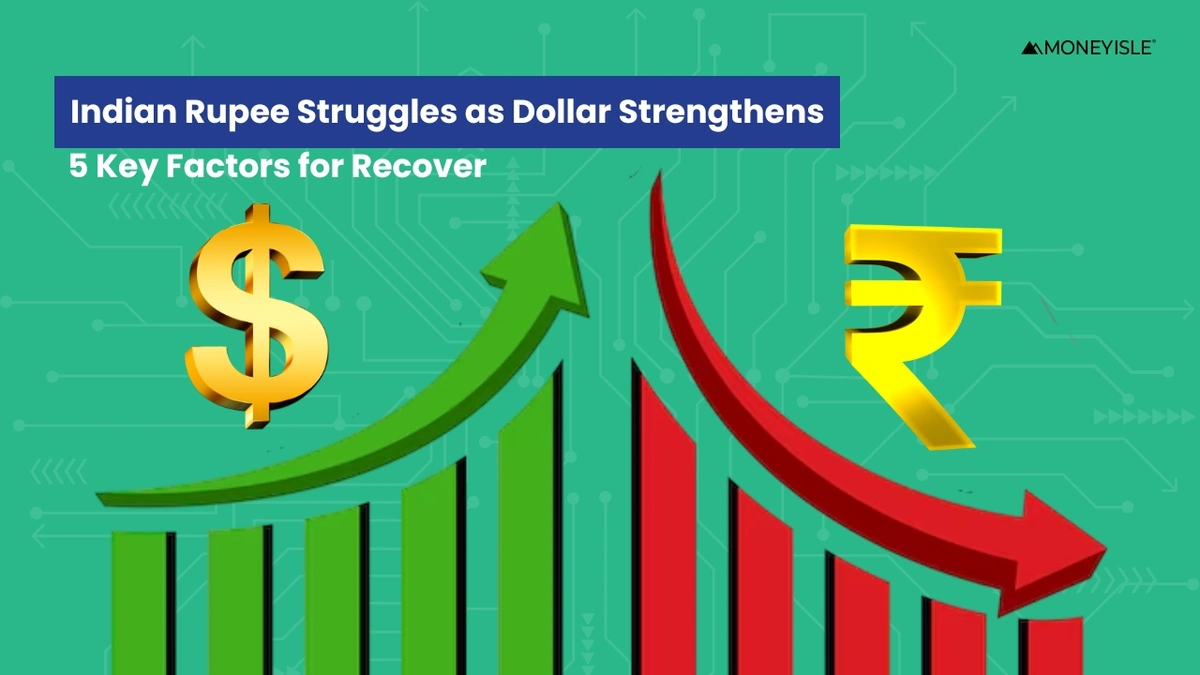
First things first, let’s acknowledge the elephant in the room: the US dollar. It’s not just currency; it’s the reserve currency of the world. When there’s global uncertainty – geopolitical tensions, economic slowdowns, you name it – investors flock to the dollar like moths to a flame. This increased demand makes the dollar stronger. Think of it like this: everyone wants the same thing, so its value goes up. But this strength can put pressure on other currencies, including the Rupee. And that’s where the RBI comes into the picture.
Now, you might be thinking, “Why should I care about all this currency mumbo jumbo?” Well, a stronger dollar can make imports more expensive (hello, pricier gadgets!). It can also affect inflation, which, let’s be honest, is already a hot topic around the dinner table. Inflation hits our pockets directly. The RBI intervention aims to cushion us from these shocks.
RBI’s Playbook | More Than Just Buying Rupees
So, how does the RBI actually do this intervention? It’s not like they just wave a magic wand. One of the primary methods is through foreign exchange reserves . The RBI holds a stash of foreign currencies, including – you guessed it – US dollars. When the Rupee weakens, the RBI can sell some of these dollars and buy Rupees. This increases the demand for Rupees, theoretically pushing its value up. But here’s the thing I initially thought was straightforward, but realised it’s far more nuanced: this isn’t a simple one-time fix.
Let me rephrase that for clarity… it’s more like a carefully orchestrated dance. The RBI has to strike a balance. If it sells too many dollars, it could deplete its reserves. Too few, and the Rupee might continue its downward slide. It’s a delicate balancing act, and the RBI is constantly monitoring the market to make informed decisions.
Beyond direct intervention, the RBI also uses other tools, such as adjusting interest rates and implementing policy changes that attract foreign investment. The goal is to make India a more attractive place for investors, which in turn strengthens the Rupee. Think of it as making our country a more desirable destination for global funds. The exchange rate is influenced by many factors, and the RBI keeps a close watch. According to reports I’ve seen, the RBI monitors the USD/INR exchange rate closely.
The Emotional Angle | Peace of Mind in Uncertain Times
Let’s be honest, financial news can be stressful. The constant talk of inflation, interest rates, and currency fluctuations can leave you feeling anxious. Here’s the good news: the RBI’s intervention is, in a way, a safety net. It’s a sign that the authorities are paying attention and are taking steps to protect the economy. Now, this doesn’t mean that everything will be smooth sailing. There will still be ups and downs. But knowing that there’s a plan in place can provide a sense of reassurance. The hope is that this rupee recovery can bring more stability.
The one thing you absolutely must double-check is that you’re not making rash decisions based on fear. Don’t panic-sell your investments or hoard goods based on inflation fears. Stay calm, stay informed, and remember that the economy is a complex system with checks and balances.
Looking Ahead | What to Expect
So, what’s next? Will the Rupee magically become as strong as the dollar overnight? Probably not. But the RBI’s actions can help stabilize the currency and prevent it from depreciating too rapidly. The central bank’s policy decisions can affect the Indian economy in both short-term and long-term scenarios.
Several factors could influence the future path of the Rupee, including global economic conditions, geopolitical events, and domestic policy decisions. The RBI will likely continue to monitor these factors closely and adjust its strategies as needed. What fascinates me is how these events can create a ripple effect. Mahindra’s year plan also could be affected by these developments.
Now, it is important to remember that economic forecasts are just that – forecasts. There’s no crystal ball that can predict the future with 100% accuracy. But by staying informed and understanding the underlying factors at play, you can make more informed decisions about your own finances.
FAQ | Rupee and RBI Intervention
Frequently Asked Questions
Why is the Rupee depreciating against the dollar?
The primary reason is the strength of the US dollar, which is seen as a safe haven during global uncertainty. Increased demand for dollars makes it stronger, putting downward pressure on other currencies.

How does the RBI intervene in the currency market?
The RBI primarily intervenes by selling US dollars from its foreign exchange reserves and buying Rupees. This increases demand for Rupees, which can help stabilize its value. Sometimes, the monetary policy is modified to stabilize the Rupee.
Will the RBI’s intervention completely solve the problem?
Intervention can help stabilize the Rupee and prevent excessive depreciation, but it’s not a magic bullet. Global economic conditions and other factors also play a significant role. The currency market is complex and influenced by many factors.
How does this affect the common person?
A weaker Rupee can make imports more expensive, potentially leading to higher inflation. The RBI’s intervention aims to cushion the economy from these shocks.
Where can I stay updated on the latest developments?
Follow reliable financial news sources and the RBI’s official announcements for the most up-to-date information.
In conclusion, the RBI’s intervention in the currency market is a complex but necessary measure to protect the Indian economy from external shocks. It’s not a perfect solution, but it provides a crucial safety net in uncertain times. And that, my friends, is something to keep in mind as we navigate the ever-changing world of finance. The current economic scenario also impacts the business strategies of many companies, which in turn affects the rupee indirectly.
Disclaimer: ऊपर दिए गए विचार और सिफारिशें व्यक्तिगत विश्लेषकों या ब्रोकिंग कंपनियों की हैं, न कि "Finance Ghar" की। हम निवेशकों को सलाह देते हैं कि किसी भी निवेश निर्णय लेने से पहले प्रमाणित विशेषज्ञों से परामर्श करें। निवेश में जोखिम होता है और सही जानकारी के बिना निर्णय लेना हानिकारक हो सकता है।