
The Indian Rupee ‘s recent tumble to a historic low has sent ripples of concern through the Indian economy. You see headlines, maybe a quick news flash on your phone. But what does it really mean for you? For your family? For the price of that imported gadget you’ve been eyeing? Let’s be honest, a plunging Rupee can feel like a distant economic event until it hits your wallet. And, trust me, it will.
The Anatomy of a Fall | Decoding the Rupee’s Woes
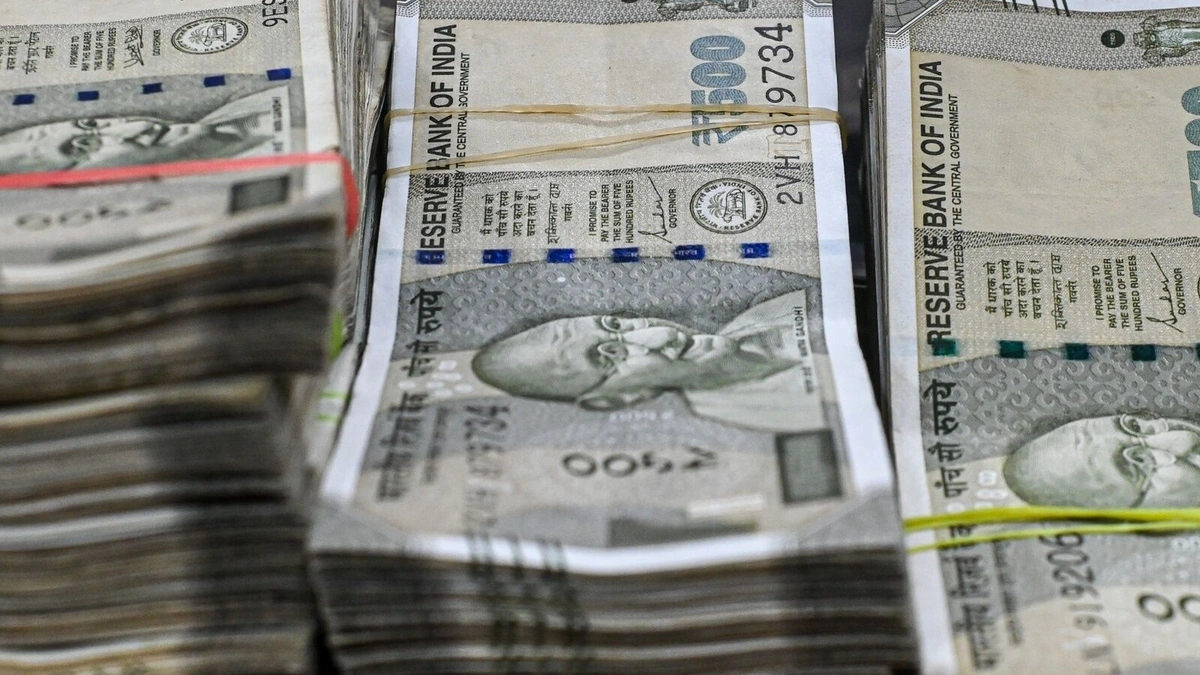
So, what’s behind this sudden freefall? It’s not just one thing, but a perfect storm of global and domestic factors. The strength of the US dollar, fueled by rising US interest rates, plays a huge role. When the dollar strengthens, it makes the Indian Rupee look weaker in comparison. But it is also the central bank’s inaction. Other factors are at play, including global economic uncertainty and geopolitical tensions.
What fascinates me is how interconnected everything is. India’s import bill, especially for crude oil, is largely denominated in dollars. A weaker Rupee means India has to shell out more Rupees for the same amount of oil, contributing to inflation . And inflation, as we all know, erodes purchasing power, making everything more expensive.
The Ripple Effect | How the Rupee Impacts Your Life
Okay, let’s get real. How does this affect you sitting in your living room? Firstly, imported goods, from electronics to edible oils, become more expensive. That new phone you wanted? Probably just got pricier. Foreign travel? Ouch, your vacation budget just took a hit. But it’s not all doom and gloom. Indian exporters benefit from a weaker Rupee, as their goods become more competitive in the global market. A weaker domestic currency can make Indian products cheaper and encourage consumers to spend more on them.
The impact isn’t uniform. If you’re an IT professional earning in dollars, you’re probably smiling right now. Your earnings, when converted back to Rupees, are worth more. But for the average consumer, a weaker Rupee translates to higher prices and a squeeze on household budgets.
Central Bank’s Tightrope Walk | Intervention or Inaction?
The Reserve Bank of India (RBI) faces a tough choice. Should it intervene in the foreign exchange market to prop up the Rupee? Or should it let the market forces play out? Intervention can deplete India’s foreign exchange reserves, which are essential for maintaining economic stability. But inaction risks a further slide in the Rupee, fueling inflation and eroding confidence. What’s more interesting is that other central banks such as central banks in Europe have faced similar issues.
It’s a delicate balancing act. I initially thought the RBI’s inaction was puzzling, but then I realized they’re likely trying to conserve their ammunition for a potentially larger crisis. A common mistake I see people make is underestimating the long-term consequences of short-term fixes.
Navigating the Turbulence | What You Can Do
So, what can you, as an individual, do in the face of this economic turbulence? It’s not about panicking, but about being smart. Re-evaluate your spending. Prioritize essential purchases. Consider investing in assets that tend to hold their value during inflationary periods, such as gold or real estate. And most importantly, stay informed. Understand the economic forces at play. Don’t just react to headlines; understand the underlying trends.
Let me rephrase that for clarity: Knowledge is your best defense. The more you understand about the economy, the better equipped you’ll be to make informed decisions. According to the latest reports from the Ministry of Finance, diversification of investments is crucial during periods of currency fluctuation .
What fascinates me is how resilient the Indian economy has been in the past. We’ve weathered far worse storms. This is a challenge, yes, but also an opportunity to learn, adapt, and emerge stronger.
Looking Ahead | The Future of the Rupee
Predicting the future is a fool’s game, but we can certainly analyze the trends. Much will depend on global economic conditions, the trajectory of US interest rates, and the RBI’s policy response. A stable political environment and continued economic reforms can also boost investor confidence and support the Rupee. But, for the most part, what happens to the Indian currency is a waiting game.
One thing is certain: volatility is here to stay. Expect more ups and downs in the near term. But don’t lose sight of the big picture. India remains one of the fastest-growing economies in the world, with a large and dynamic domestic market. As per the guidelines mentioned in various economic surveys India’s GDP is projected to grow in coming years. What’s important is to navigate this turbulence with a long-term perspective.
But, it is important to remember to consider dividend stocks to improve passive income and have additional sources of revenue.
FAQ
Will the Rupee continue to fall?
It’s impossible to say for sure. It depends on various global and domestic factors, including US interest rates and the RBI’s actions.

How does the Rupee’s fall affect inflation?
A weaker Rupee makes imports more expensive, which can contribute to inflation.
What can the RBI do to stabilize the Rupee?
The RBI can intervene in the foreign exchange market, raise interest rates, or take other measures to manage liquidity.
Should I convert my Rupees to dollars?
That depends on your individual circumstances and risk tolerance. Consult a financial advisor before making any major decisions.
What is the impact of a weak Rupee on the Indian economy?
A weak Rupee can benefit exporters but hurts importers and can fuel inflation. However, most economic indicators remain strong.
So, the Rupee’s devaluation isn’t just a headline; it’s a complex story with real-world implications. Stay informed, stay smart, and remember that economic storms, like all storms, eventually pass. The key is to weather them with knowledge and resilience. And the one thing you absolutely must double-check is not to panic.
Disclaimer: ऊपर दिए गए विचार और सिफारिशें व्यक्तिगत विश्लेषकों या ब्रोकिंग कंपनियों की हैं, न कि "Finance Ghar" की। हम निवेशकों को सलाह देते हैं कि किसी भी निवेश निर्णय लेने से पहले प्रमाणित विशेषज्ञों से परामर्श करें। निवेश में जोखिम होता है और सही जानकारी के बिना निर्णय लेना हानिकारक हो सकता है।