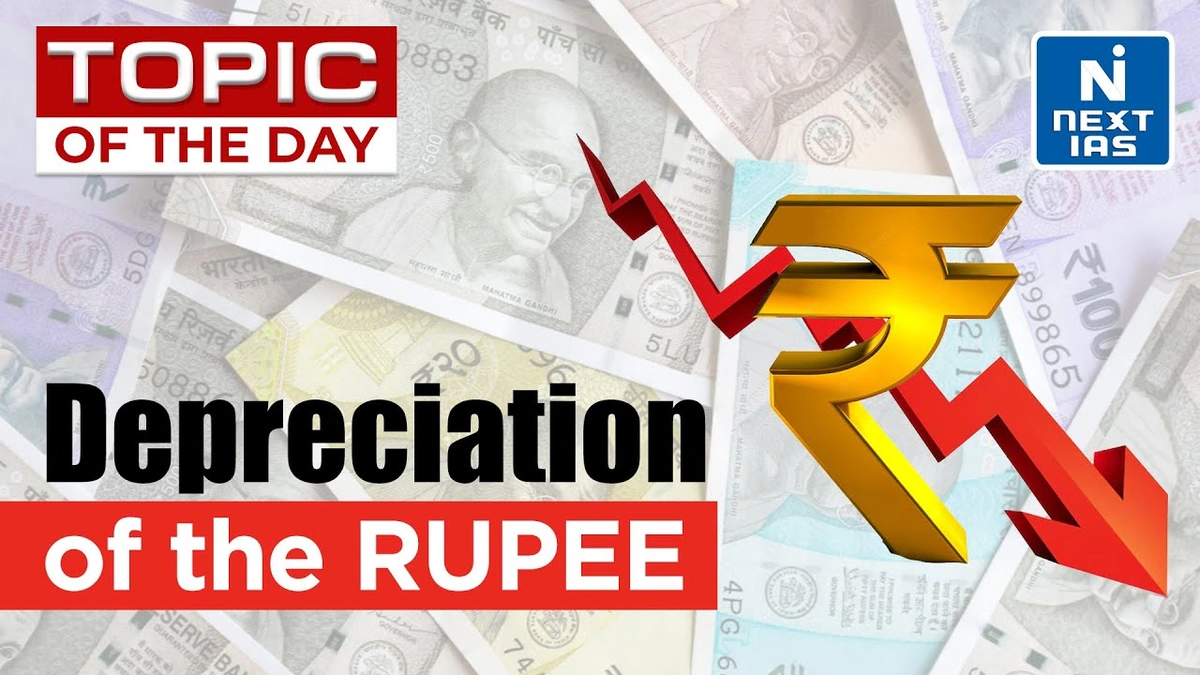
Okay, let’s talk rupees. The Indian Rupee, that trusty bit of paper (or digital balance) we use every day, has been taking a bit of a beating lately, hasn’t it? Hitting ₹89 against the dollar – that’s news. But what really matters is what that means for you, for me, for the price of that cup of chai, and for the bigger picture of the Indian economy. We’re going to explore the why behind this rupee depreciation.
Why Should You Care About Rupee Depreciation?
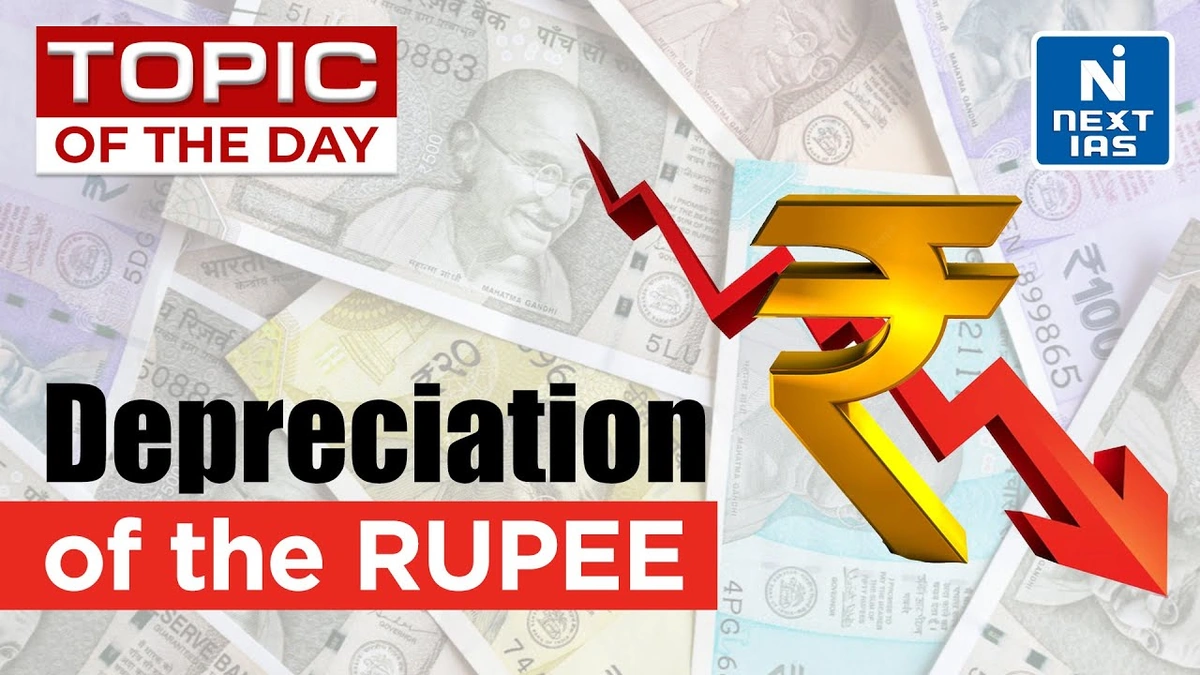
Here’s the thing: a weaker rupee isn’t just some abstract economic concept. It directly affects inflation, impacts imports, and subtly reshapes our daily lives. Let’s unpack this a bit. I initially thought it was straightforward, but then I realized how interconnected everything is. A weaker rupee makes imports more expensive. Think about it – if an iPhone costs $1000, and the rupee is at ₹80 against the dollar, that’s ₹80,000. But if the rupee dips to ₹89, suddenly that same iPhone costs ₹89,000! That increased cost gets passed on to us, the consumers.
But it’s not just iPhones. India imports a lot of crude oil. A weaker rupee means we’re paying more for our energy needs, which, in turn, fuels inflation. It’s a chain reaction. As per the guidelines mentioned in the information bulletin, the increased costs of importing goods, from electronics to raw materials, directly contribute to inflationary pressures within the Indian economy. This ripple effect touches everything from food prices to transportation costs, impacting household budgets and overall economic stability.
Now, you might be thinking, “Okay, so imports are expensive. What about exports?” That’s where things get interesting.
The Double-Edged Sword | Exports and the Weaker Rupee
A depreciated rupee should theoretically make Indian exports more competitive. Indian goods become cheaper for foreign buyers. Imagine a textile manufacturer in Surat. If their costs are primarily in rupees, and the rupee weakens, their goods become more attractive to buyers in the US or Europe. However, the reality is a bit more nuanced. India’s export basket isn’t solely reliant on price competitiveness. We also compete on quality, innovation, and branding. A common mistake I see people make is assuming that rupee depreciation automatically leads to a surge in exports. That is not true. Also, many Indian exporters rely on imported components. So, a weaker rupee also increases their costs!
But, let’s be honest, there are sectors that definitely benefit. Software services, for example, often get a boost. A significant portion of their revenue is in dollars, so when converted back to rupees, it translates to higher earnings. Pharmaceutical exports also see some advantages. But, it’s not a uniform boost across the board.
What fascinates me is how the Reserve Bank of India (RBI) steps in. They don’t want the rupee to freefall. A sudden, uncontrolled depreciation can create panic and instability. So, the RBI uses its foreign exchange reserves to try and manage the currency exchange rates. They might sell dollars to buy rupees, thus increasing the demand for rupees and stabilizing its value. It’s like a balancing act – trying to prevent excessive volatility without artificially propping up the rupee at an unsustainable level.
Impact on Your Wallet | The Direct Effects on Daily Life
Okay, let’s get down to brass tacks. How does all this affect your wallet? Well, consider this: fuel prices. As we talked about, India imports a large chunk of its crude oil. A weaker rupee directly translates to higher petrol and diesel prices. This, in turn, impacts transportation costs, and eventually, the prices of almost everything you buy. Food prices can rise due to higher transportation costs and expensive imported fertilizers.
Then there’s education. Many Indian families send their children abroad for higher studies. A weaker rupee means those dreams become more expensive. Tuition fees, living expenses – everything suddenly costs more in rupee terms. It forces families to either dig deeper into their savings or reconsider their options.
And let’s not forget travel. That dream vacation to Europe or the US? It just got more expensive. The exchange rate matters when you’re converting rupees to dollars or euros. Even domestic travel can be affected, as transportation costs rise due to higher fuel prices.
A weaker rupee puts pressure on household budgets. Families have to make tough choices – cutting back on discretionary spending, postponing investments, or even dipping into their savings. That is why understanding the implications of rupee value fluctuation is necessary for all Indian citizens.
Navigating the Storm | What Can You Do?
So, what can you, as an individual, do in the face of a depreciating rupee? Here are a few thoughts. First, be mindful of your spending. Prioritize needs over wants. Look for ways to cut costs – energy consumption, transportation, entertainment. Small savings can add up.
Second, consider investing in assets that can hedge against inflation. Gold, real estate, and even stocks can provide some protection. However, remember that all investments carry risk, so do your research and consult with a financial advisor. According to the latest circular on the official RBI website (www.rbi.org.in ), diversifying your investment portfolio and focusing on long-term goals can mitigate the impact of short-term currency fluctuations.
Third, if you’re planning to study or travel abroad, start saving early and explore different financing options. Look for scholarships, education loans, or part-time work opportunities. Plan your budget carefully and be prepared for unexpected expenses.
And finally, stay informed. Follow economic news and understand the factors that influence the rupee’s value. Knowledge is power. Understanding the interplay between India’s imports and exports can inform financial decisions.
One more suggestion: look at supporting local businesses. Choosing local alternatives reduces our reliance on imported goods and supports our own economy. It’s a small thing, but when many people do it, it makes a difference. For instance, choosing local grocery brands rather than foreign brands helps with stabilizing market volatility .
Here’s a reminder that even small choices can have a bigger impact.
Looking Ahead | The Future of the Rupee
So, what does the future hold for the rupee? That’s the million-dollar question (or, should I say, the million-rupee question?). It depends on a multitude of factors – global economic conditions, crude oil prices, India’s economic growth, and the RBI’s monetary policy. Predicting the future is impossible, but we can make informed guesses. Experts suggest that continued global uncertainty and rising interest rates in the US could put further pressure on the rupee. However, strong economic growth in India and proactive measures by the RBI could help stabilize its value.
The one thing you absolutely must double-check on the market condition is that the story of the rupee is far from over. It’s a dynamic situation that will continue to evolve. The impact on inflation and import costs will continue to shape the Indian economy.
But, and this is important, we’re not helpless. We can adapt, adjust, and make informed decisions to protect ourselves and our families. The key is to stay informed, be proactive, and not panic.

And that, my friends, is the real story behind the rupee’s recent dip. It’s not just about numbers; it’s about people, choices, and the future of India. Always remember that staying informed is key to navigating any economic changes.
FAQ | Your Questions About the Rupee, Answered
Why is the rupee depreciating?
Several factors contribute, including global economic uncertainty, rising interest rates in the US, and demand for dollars. When investors perceive risk, they often flock to the dollar, increasing its demand and strengthening it against other currencies like the rupee.
How does rupee depreciation affect inflation?
A weaker rupee makes imports more expensive, including essential items like crude oil. This increased cost gets passed on to consumers, leading to higher prices for goods and services, thus fueling inflation.
Who benefits from a weaker rupee?
Exporters, particularly in sectors like software services and pharmaceuticals, can benefit as their goods and services become more competitive in the global market. However, the benefit is not uniform across all export sectors.
What can the RBI do to stabilize the rupee?
The RBI can intervene in the currency market by selling dollars from its foreign exchange reserves to buy rupees. This increases the demand for rupees and can help stabilize its value. The RBI also uses monetary policy tools to manage inflation and support economic growth, indirectly influencing the rupee’s value.
What if I am planning to study abroad?
Start saving early, explore different financing options like scholarships and education loans, and plan your budget carefully. Be prepared for potentially higher expenses due to the weaker rupee.
Does the current account deficit affect the Rupee?
Yes, it does. When a country imports more goods and services than it exports, it creates a current account deficit, which can put downward pressure on the rupee. A higher deficit signals increased demand for foreign currency, leading to a potential depreciation of the local currency.
Disclaimer: ऊपर दिए गए विचार और सिफारिशें व्यक्तिगत विश्लेषकों या ब्रोकिंग कंपनियों की हैं, न कि "Finance Ghar" की। हम निवेशकों को सलाह देते हैं कि किसी भी निवेश निर्णय लेने से पहले प्रमाणित विशेषज्ञों से परामर्श करें। निवेश में जोखिम होता है और सही जानकारी के बिना निर्णय लेना हानिकारक हो सकता है।