Alright, let’s talk about India’s economic forecast – specifically, S&P Global Ratings’ latest projection. They’re saying India’s GDP growth is expected to hit 6.5% in fiscal year 2026. That’s the top-line number. But what does it really mean for you and me? It’s not just about bragging rights on the world stage; it trickles down to our wallets, our job prospects, and the overall sense of economic well-being.
See, most news outlets will just parrot the 6.5% figure. We are diving deeper. Let’s break down the ‘why’ behind this projection, and more importantly, what it actually means for the average person in India. This isn’t just about numbers; it’s about understanding the forces shaping our economic future. We will look at how government policies, global economic shifts, and even seemingly small changes in interest rates can impact this projected growth.
The Driving Forces Behind the Optimism
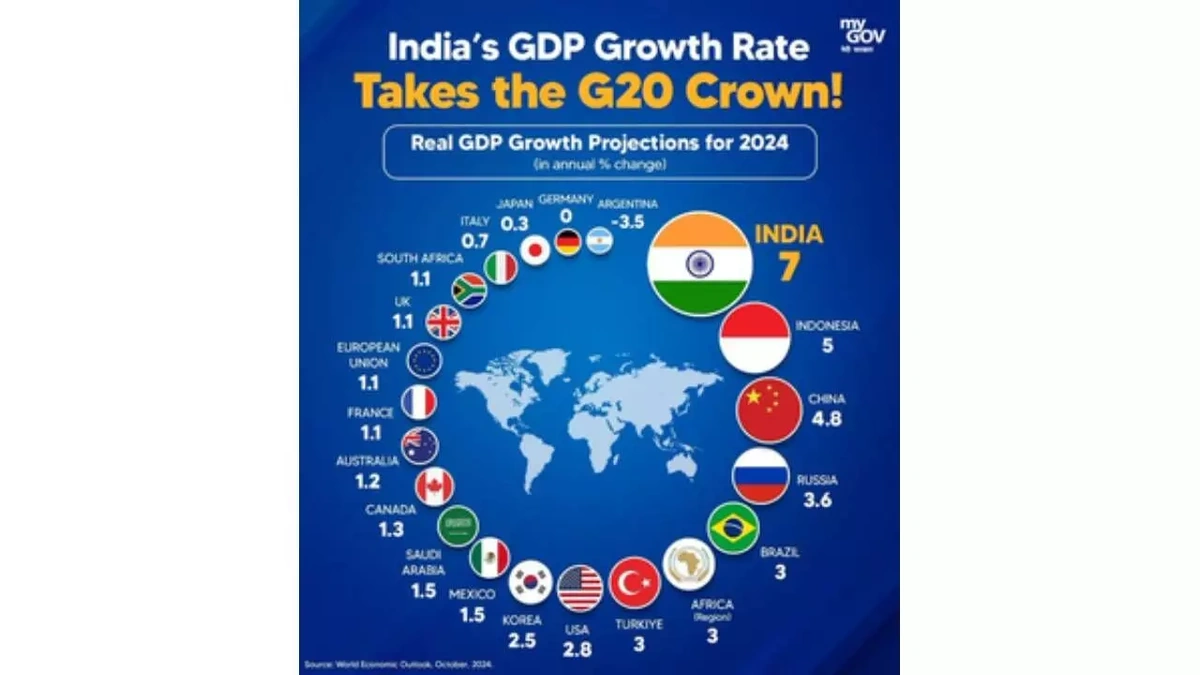
S&P isn’t just pulling numbers out of thin air. They’re pointing to specific factors driving this optimistic outlook. The two biggies? Tax cuts and lower interest rates. Let’s unpack those:
First, tax cuts . Now, here’s the thing: tax cuts aren’t universally loved. Some argue they disproportionately benefit the wealthy. But the core idea is this: by reducing the tax burden on businesses and individuals, you free up more money for investment and spending. That, in turn, boosts demand and fuels economic activity. For example, the government’s recent corporate tax cuts could lead to companies investing more in expansion, hiring more people, and ultimately, contributing to higher GDP. This creates a positive feedback loop, where increased economic activity leads to further growth.
Then there’s the lower interest rates . When the Reserve Bank of India (RBI) cuts interest rates, it becomes cheaper for businesses and individuals to borrow money. This encourages investment (businesses taking out loans to expand) and consumption (people borrowing money to buy houses or cars). Again, this increased spending drives economic growth. Think about it – a lower home loan interest rate might be the difference between you buying that new apartment or holding off. Multiply that across millions of potential homebuyers, and you can see the impact.
But, these aren’t the only factors. Global economic conditions, commodity prices, and even things like monsoon performance (which impacts agricultural output) all play a role. It’s a complex dance, and S&P’s projection is based on a model that takes all these factors into account. For those looking into investment options, understanding the factors that drive economic growth, like the ones that S&P used in their projections, will help determine the best investment strategy .
What This Means for Your Wallet (and Job!)
Okay, so 6.5% growth sounds good on paper. But how does it impact your day-to-day life? Well, here’s the connection:
Job Creation: Higher GDP growth typically translates to more job opportunities. Businesses are more likely to hire when they’re confident about the future. Sectors like manufacturing, construction, and services are likely to see increased demand for labor. If you’re a recent graduate or looking to switch careers, this is generally good news.
Salary Growth: As companies become more profitable, they’re more likely to offer better salaries and benefits to attract and retain talent. While it’s not a direct one-to-one relationship, a growing economy generally leads to increased wage growth.
Investment Opportunities: A growing economy creates more opportunities for investment. The stock market tends to perform well during periods of high GDP growth, as company earnings increase. Real estate also benefits, as demand for housing rises. So, if you’re looking to invest your money, a strong GDP growth forecast can be a positive signal.
Overall Economic Sentiment: Beyond the tangible benefits, a growing economy also boosts overall consumer confidence. People feel more optimistic about the future, which leads to increased spending and further economic growth. It’s a virtuous cycle.
The Potential Roadblocks Ahead
Let’s be honest – no forecast is perfect. There are always risks and uncertainties that could derail even the most optimistic projections. Here are some potential speed bumps on India’s growth path. It is also important to remember that economic indicators, like GDP growth rate , are projections with an element of uncertainty as they are based on models and simulations.
Global Economic Slowdown: India is increasingly integrated into the global economy. A slowdown in major economies like the US or Europe could negatively impact India’s exports and investment flows. This is why keeping an eye on global economic conditions is crucial. This includes the World Bank.
Inflation: Rising inflation could force the RBI to raise interest rates, which could dampen economic activity. Managing inflation is a key challenge for policymakers.
Geopolitical Risks: Unexpected events like wars or trade disputes could disrupt supply chains and negatively impact the global economy, including India.
Implementation Challenges: Government policies, even well-intentioned ones, can fail to deliver the desired results if they’re poorly implemented. Bureaucratic hurdles, corruption, and lack of coordination can all hinder economic growth. The success of these projections are contingent on the successful implementation of the policies that are driving the growth.
The India Advantage | Why We’re Still Optimistic
Despite these challenges, India has several key advantages that make it a promising growth story. What fascinates me is the resilience of the Indian economy. It’s like a banyan tree – deeply rooted and able to withstand a lot of storms.
Demographic Dividend: India has a large and young population, which provides a huge workforce and a growing consumer base. This demographic dividend is a major advantage compared to many other countries with aging populations. Also, India’s large population provides a ready domestic market for many goods and services, which means it does not rely on international exports as much as other countries.
Growing Middle Class: The rise of the Indian middle class is fueling increased consumption and demand for goods and services. This is creating a large and dynamic domestic market.
Increasing Digitalization: The rapid growth of internet access and mobile technology is transforming the Indian economy. E-commerce, digital payments, and online services are creating new opportunities for businesses and consumers.

Government Reforms: The government has been implementing a series of reforms aimed at improving the business environment and attracting investment. These reforms are starting to pay off.
These are only some of the key factors driving the economic growth, and provide an insight into the Indian business landscape .
India’s Growth Potential
So, is S&P’s 6.5% projection realistic? Honestly, it’s a reasonable estimate, given the current economic conditions and the government’s policy direction. It will be interesting to compare this with other economic forecasts such as those from the Reserve Bank of India (RBI) and the World Bank to get a more holistic view of the Indian economic outlook . But, as with any forecast, there are risks and uncertainties. The key is to stay informed, be aware of the potential challenges, and focus on the long-term growth story of India.
FAQ About India’s GDP Growth
What does GDP growth actually mean?
GDP (Gross Domestic Product) growth is the percentage increase in the value of goods and services produced in a country over a specific period. It’s a key indicator of economic health.
How does GDP growth affect me directly?
Higher GDP growth can lead to more job opportunities, increased salaries, and better investment returns. It also boosts overall consumer confidence.
What are the main factors driving India’s GDP growth?
Tax cuts, lower interest rates, a young population, a growing middle class, increasing digitalization, and government reforms are key drivers.
What are the risks to India’s GDP growth?
Global economic slowdown, inflation, geopolitical risks, and implementation challenges are potential roadblocks.
Where can I track the latest GDP figures?
You can find the latest GDP figures on the websites of the Reserve Bank of India (RBI), the National Statistical Office (NSO), and international organizations like the World Bank and the International Monetary Fund (IMF).
How accurate are GDP growth projections?
GDP growth projections are estimates based on economic models and assumptions. They are not always accurate, as unexpected events can impact economic growth.
Disclaimer: ऊपर दिए गए विचार और सिफारिशें व्यक्तिगत विश्लेषकों या ब्रोकिंग कंपनियों की हैं, न कि "Finance Ghar" की। हम निवेशकों को सलाह देते हैं कि किसी भी निवेश निर्णय लेने से पहले प्रमाणित विशेषज्ञों से परामर्श करें। निवेश में जोखिम होता है और सही जानकारी के बिना निर्णय लेना हानिकारक हो सकता है।