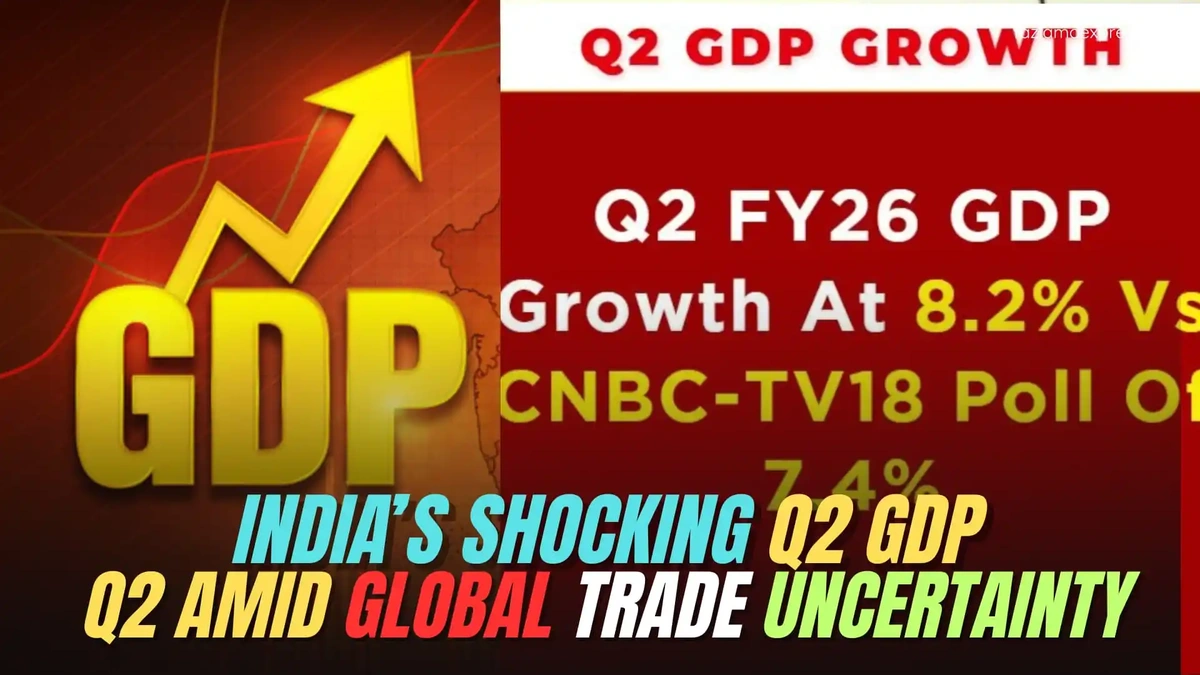
So, the latest buzz is that our Q2 GDP growth is looking pretty good, and Piyush Goyal is giving a shout-out to strong manufacturing and government reforms. But here’s the thing: what does this really mean for you and me? It’s easy to get lost in the numbers, so let’s break down why this news matters and what might be coming down the pipeline.
Decoding the GDP Growth Numbers | More Than Just Stats
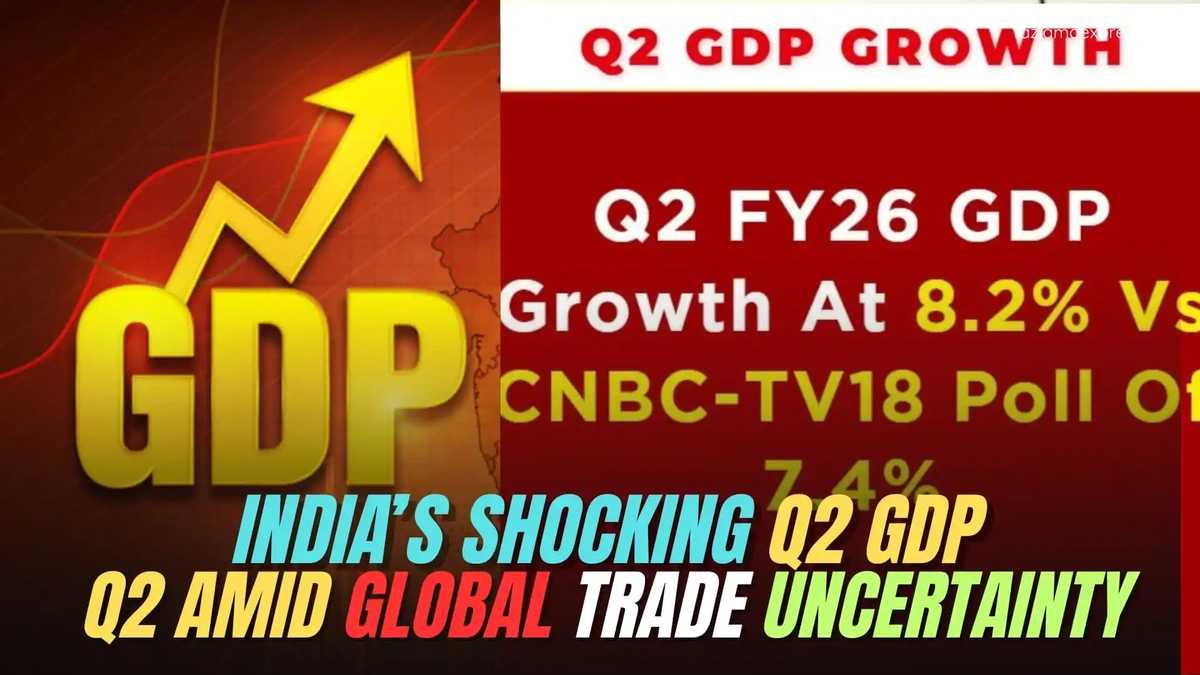
First, let’s be clear: GDP growth isn’t just some abstract figure economists throw around. It reflects the overall health of our economy. When the GDP grows, it generally means businesses are doing well, people are earning more, and there’s more spending happening. Goyal attributing this growth to manufacturing and reforms hints at specific areas where the government’s efforts are paying off. What fascinates me is, is this growth sustainable?
Now, you might be thinking, “Okay, great, the economy is growing. But how does that impact my life directly?” Well, consider this: robust manufacturing often translates to more jobs. And government reforms, if effective, can streamline processes, reduce corruption, and create a more business-friendly environment. This, in turn, can lead to increased investment and further economic activity.
Manufacturing Might | The Engine of Our Economic Ascent
Manufacturing, the sector responsible for churning out everything from cars to smartphones, is a major growth driver. If manufacturing is humming, it pulls along a whole chain of related industries – from raw material suppliers to logistics and transportation. The link here offers more insights. A boost in manufacturing could mean new factories opening up, existing ones expanding, and – crucially – more jobs being created. So, if you’re in a field related to manufacturing, or know someone who is, this news could be particularly encouraging.
The Indian economy, with its diverse landscape, is starting to show signs of becoming a manufacturing powerhouse. With initiatives like “Make in India” gaining momentum, the focus has been on attracting investment and encouraging local production. Let’s be honest – we’ve got a long way to go, but these Q2 figures are a step in the right direction.
Government Reforms | The Silent Architects of Growth
Okay, government reforms. That sounds… dry. But these are the changes to rules, regulations, and policies that can significantly impact how businesses operate. Think of it like this: if the rules are cumbersome and bureaucratic, businesses struggle. But if the rules are streamlined and transparent, businesses can flourish. One reform that’s often cited is the push for digitalization – making processes like tax filing and regulatory approvals easier and faster. This not only saves businesses time and money but also reduces opportunities for corruption – a major obstacle to economic growth.
One aspect often overlooked is the effect of fiscal policy in fostering a conducive atmosphere for businesses. For example, rationalizing tax structures or providing incentives for investment can significantly boost corporate confidence and stimulate economic growth . The link here sheds light on how reforms impact businesses.

Is This Sustainable? The Million-Dollar Question
Here’s the million-dollar question: can we keep this up? A strong Q2 is great, but it’s just one quarter. Sustainable growth requires more than just a few good months; it needs consistent policies, continued investment, and a stable global economic environment. Factors like inflation, global supply chain disruptions, and geopolitical tensions can all throw a wrench in the works. Let me rephrase that for clarity: while the current numbers are promising, we need to be cautiously optimistic and keep a close eye on these potential challenges.
Another consideration is the services sector. While manufacturing gets a lot of attention, the services sector is a huge contributor to India’s GDP. It’s important that policies and reforms support growth in this sector as well, creating a balanced and diversified economy.
The Road Ahead | Navigating Challenges and Embracing Opportunities
So, what does all this mean for the average person in India? Well, if the economy continues to grow, it could lead to more job opportunities, higher wages, and a better standard of living. But it’s not a guarantee. It also requires individuals to be proactive – to acquire new skills, adapt to changing market demands, and be open to new opportunities. The government’s role is to create an environment where these opportunities are available, but it’s up to individuals to seize them.
But, there are some pitfalls to be aware of. A significant component of the reforms centers around creating an open market and ease of doing business. While it boosts economic activity and industrial output, it can also lead to increased competition. The government must provide a level playing field and protect small and medium-sized enterprises (SMEs) to ensure inclusive growth. Also, reforms aimed at attracting foreign investment must not come at the cost of environmental regulations or labor rights.
FAQ on Q2 GDP Growth
What exactly does GDP measure?
GDP measures the total value of goods and services produced within a country’s borders in a specific period.
Why is Q2 GDP growth important?
It provides an indication of the economy’s performance in the second quarter of the year.
How do government reforms impact GDP?
Reforms can streamline processes and create a more business-friendly environment, boosting economic activity.

What role does manufacturing play in GDP growth?
A strong manufacturing sector leads to increased production, job creation, and overall economic growth.
How sustainable is this GDP growth?
Sustainability depends on continued investment, consistent policies, and a stable global economic environment.
What are the challenges to maintaining this growth?
Challenges include inflation, global supply chain disruptions, and geopolitical tensions.
Ultimately, the Q2 GDP growth attributed to manufacturing and reforms is a positive sign for India’s economy. However, it’s crucial to understand the underlying factors driving this growth, the challenges that lie ahead, and the role that individuals and the government can play in ensuring sustainable and inclusive economic development. It’s not just about the numbers; it’s about creating a better future for all Indians. And that’s a goal worth striving for.
Disclaimer: ऊपर दिए गए विचार और सिफारिशें व्यक्तिगत विश्लेषकों या ब्रोकिंग कंपनियों की हैं, न कि "Finance Ghar" की। हम निवेशकों को सलाह देते हैं कि किसी भी निवेश निर्णय लेने से पहले प्रमाणित विशेषज्ञों से परामर्श करें। निवेश में जोखिम होता है और सही जानकारी के बिना निर्णय लेना हानिकारक हो सकता है।