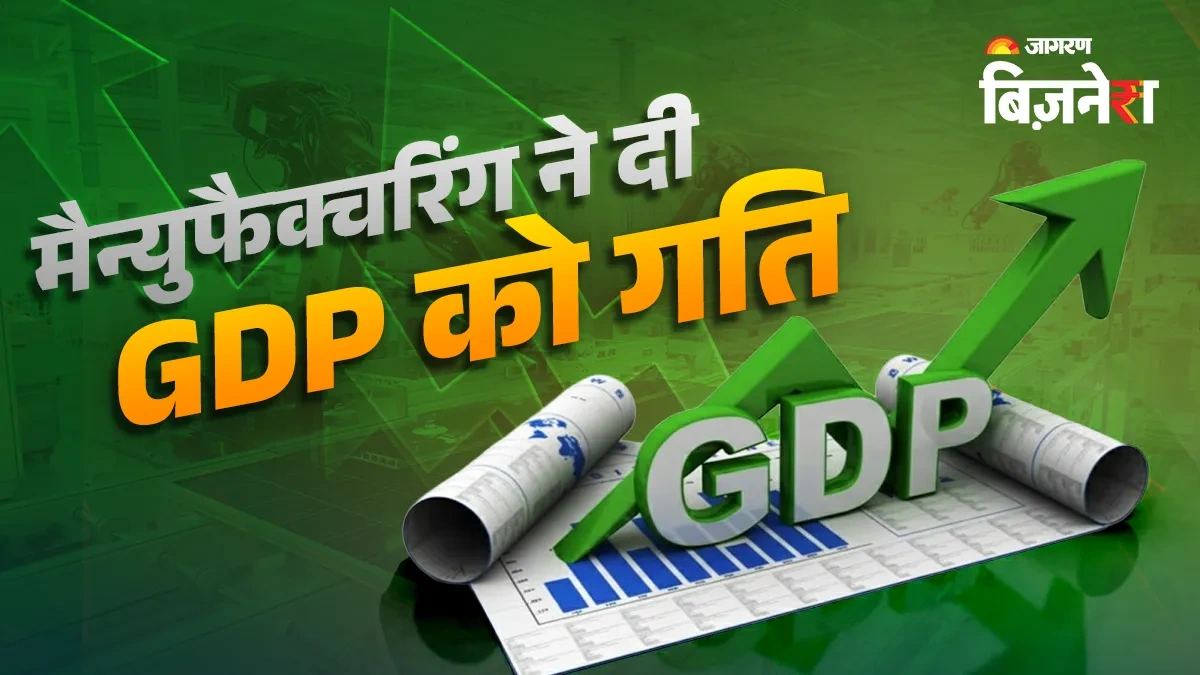
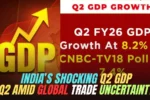
Okay, let’s be real. Headlines scream about GDP growth all the time, right? But what does it really mean for you and me, sitting here in India, trying to navigate our lives? This isn’t just about numbers; it’s about what those numbers translate to in our daily experiences. We’re going to cut through the jargon and explore the real implications of this 8.2% expansion.
Decoding the GDP Jargon | What Does 8.2% Actually Mean?
First off, let’s unpack this Q2 GDP growth figure. It represents the increase in the total value of goods and services produced in India during the second quarter of the fiscal year. An 8.2% jump sounds impressive, and it is! But – and this is a big but – it’s crucial to understand the context. Last year’s figures might have been lower due to various factors, creating a lower base for comparison. So, this impressive jump needs to be viewed with a touch of healthy skepticism.
What fascinates me is how different economists interpret this data. Some are popping champagne, forecasting continued prosperity. Others are more cautious, pointing to potential headwinds like global economic slowdown and inflationary pressures. According to a report by the Reserve Bank of India (RBI official website ), the Indian economic outlook remains positive, but with caveats. These caveats are important – they’re the fine print in the economic story.
Why This Growth Matters to Your Wallet (and Your Job!)
Here’s the thing: economic expansion should, in theory, translate to more jobs and better incomes. More companies are likely to invest and expand their operations, creating new employment opportunities. But a rising tide doesn’t always lift all boats equally. The benefits of this growth might not be evenly distributed, with some sectors and demographics experiencing more significant gains than others.
For example, the manufacturing sector might see a boost, leading to more factory jobs. But what about the informal sector, which employs a large chunk of India’s workforce? Will they experience the same benefits? These are the questions we need to be asking. Let’s be honest, sometimes India’s economic performance on paper doesn’t always align with what we see on the ground. That’s why it’s crucial to dig deeper.
The Hidden Factors Fueling (and Potentially Threatening) the Surge
What’s truly interesting is examining the why behind this growth. Is it driven by increased consumer spending, government investment, or a surge in exports? Understanding the drivers helps us assess the sustainability of this growth. For instance, if it’s primarily fueled by government spending, that’s great in the short term, but can it be sustained in the long run? The sustainability of India’s economic strength is a critical factor.
And then there are the potential threats. Global economic slowdown, rising inflation, and geopolitical instability – these are all lurking in the background, ready to throw a wrench in the works. The global recession fears are real, and their impact on India’s export-oriented industries could be significant. Moreover, rising crude oil prices could exacerbate inflationary pressures, impacting household budgets. What fascinates me is how the government is navigating these challenges – and whether their strategies will be effective.
Navigating the Economic Landscape | What Should You Do?
So, what can you do with this information? Well, knowledge is power. Understanding the economic climate can help you make informed decisions about your finances, investments, and career. Here are a few practical tips:
- Stay informed: Keep an eye on economic news and analysis. Don’t just read the headlines; delve into the details.
- Diversify your investments: Don’t put all your eggs in one basket. Spread your investments across different asset classes to mitigate risk.
- Upskill: Invest in your skills to enhance your employability. The job market is constantly evolving, so it’s essential to stay ahead of the curve.
A common mistake I see people make is ignoring economic news altogether. They think it’s too complex or irrelevant to their lives. But the reality is that the economy affects us all, directly or indirectly. Being aware of the trends can help you make better decisions and navigate the economic landscape more effectively.
Also, don’t forget about government policies. The government’s decisions on fiscal policy, monetary policy, and trade policy can all have a significant impact on the economy. Keep an eye on these developments and understand how they might affect you. One thing you must consider is how the performance of core sectors can affect your financial decisions.
Looking Ahead | The Future of India’s Economic Trajectory
The million-dollar question is: can India sustain this impressive growth momentum? The answer, as always, is complex. It depends on a multitude of factors, including government policies, global economic conditions, and domestic demand. But here’s what I think: India has the potential to be a major economic powerhouse in the coming years, but it needs to address some critical challenges, such as income inequality, infrastructure gaps, and bureaucratic hurdles.
Ultimately, India’s economic future depends on its ability to create a more inclusive and sustainable growth model. One where the benefits of prosperity are shared by all, and where economic development doesn’t come at the expense of the environment. And this isn’t just about GDP numbers; it’s about creating a better future for all Indians. What matters is that we don’t lose sight of the human element in all of this economic analysis.
FAQ Section
What factors contributed to the 8.2% GDP growth in Q2?
The growth was primarily driven by strong performance in the manufacturing, construction, and agriculture sectors. Increased government spending and a rise in private consumption also played a role.
How does this growth rate compare to other major economies?
An 8.2% growth rate is relatively high compared to most major economies, which are currently facing slower growth or even recessionary pressures.

What are the potential risks to future economic growth in India?
Key risks include a global economic slowdown, rising inflation, volatile crude oil prices, and potential disruptions to supply chains.
Will this GDP growth translate to higher salaries for the average Indian?
While GDP growth can lead to job creation and higher incomes, the impact may not be uniform across all sectors and demographics. Factors like skill levels and regional disparities can influence salary growth.
What can the government do to ensure sustainable economic growth?
The government can focus on policies that promote investment, improve infrastructure, enhance education and skills development, and reduce regulatory burdens.
How can I, as an individual, benefit from this economic growth?
Individuals can benefit by staying informed about economic trends, investing in their skills, diversifying their investments, and making informed financial decisions.
Let me rephrase that for clarity: this isn’t just about numbers; it’s about how we, as individuals, can navigate this economic landscape and create a better future for ourselves and our communities. And that, my friends, is something worth celebrating.
Disclaimer: ऊपर दिए गए विचार और सिफारिशें व्यक्तिगत विश्लेषकों या ब्रोकिंग कंपनियों की हैं, न कि "Finance Ghar" की। हम निवेशकों को सलाह देते हैं कि किसी भी निवेश निर्णय लेने से पहले प्रमाणित विशेषज्ञों से परामर्श करें। निवेश में जोखिम होता है और सही जानकारी के बिना निर्णय लेना हानिकारक हो सकता है।