Newsflash: Adani’s brand-spanking-new copper plant , poised to be a game-changer for India’s metal industry, has hit a snag. A big one. We’re talking about a potential water shortage . Now, before you panic and start hoarding copper pipes, let’s unpack what this actually means. It’s not just about one company; it’s about India’s grand plans to become a global manufacturing powerhouse. What fascinates me is how something as essential as water can throw a wrench into even the most ambitious projects.
The Thirst of Ambition | Why Water Matters to a Copper Plant
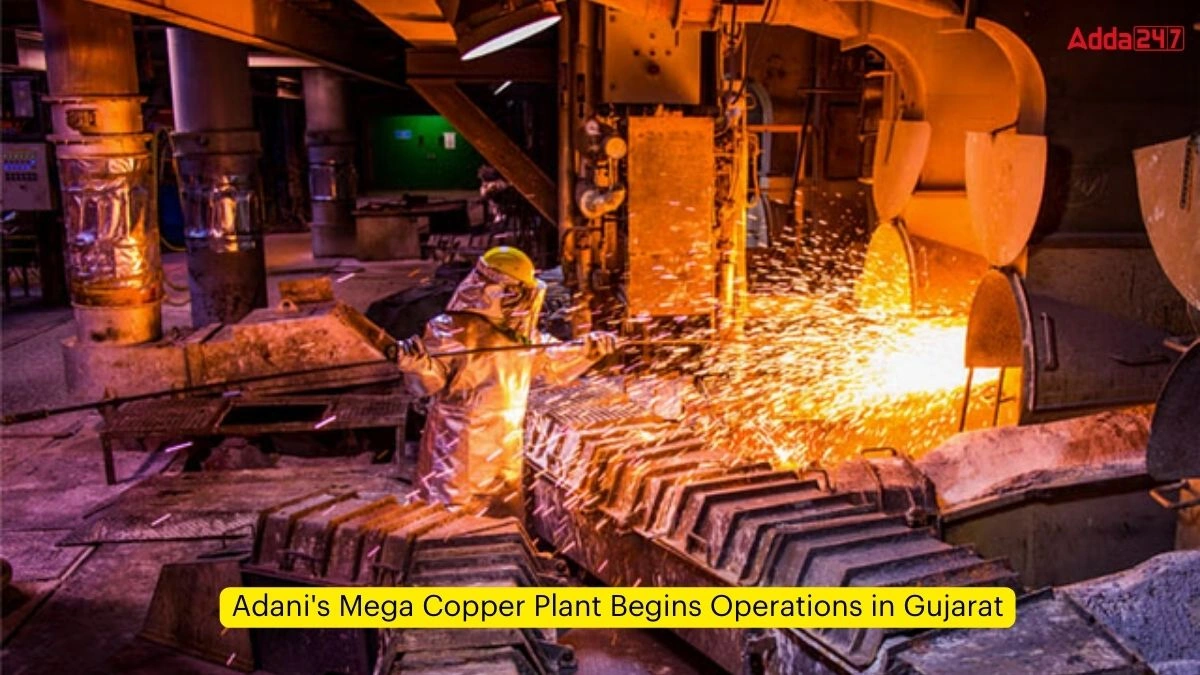
Okay, so why does a copper plant need so much water anyway? It’s not like they’re watering the copper to make it grow, right? (Although, imagine that!). The truth is, water is crucial in several stages of copper production . Think cooling down machinery, cleaning the ore, and even controlling emissions. Without a steady supply of water, the entire operation grinds to a halt. A common mistake I see people make is underestimating the sheer volume of water required for industrial processes. This isn’t your garden hose; we’re talking industrial-scale consumption. And in a country where water resources are already stretched thin, this becomes a major point of contention.
But, here’s the thing. It’s not just about Adani. India has big dreams of reducing its reliance on imported metals and becoming a major exporter. The government’s been pushing hard to boost domestic production, and this copper plant was supposed to be a shining example of that. Now, with this water issue looming, it raises serious questions about the sustainability of these projects. Can we really ramp up production without putting a strain on already scarce resources?
The Ripple Effect | More Than Just Copper Prices
Let’s be honest, most of us don’t think about copper prices on a daily basis. But, the availability and cost of copper affects everything from electronics to construction. If this copper plant faces prolonged disruptions, it could lead to increased reliance on imports, driving up prices and potentially impacting various sectors of the economy. And it’s not just the economy; it’s also about jobs. These large-scale industrial projects are supposed to create employment opportunities. But if they’re constantly facing hurdles, that promise becomes a lot less certain.
According to a report by the Ministry of Mines, India’s demand for copper is projected to increase significantly in the coming years. Solar power and wind energyare dependent on Copper. This water shortage situation highlights the urgent need for sustainable resource management and careful planning for future industrial projects. It’s no longer enough to just build a plant; we need to ensure that it can operate responsibly and without depleting precious resources.
The Search for Solutions | What’s Next for the Copper Plant?
So, what can be done? Well, there are a few options on the table. The company could invest in water recycling technologies to reduce its consumption. They could also explore alternative water sources, such as desalination (although that comes with its own environmental concerns). Another option is to work with the local community to find mutually agreeable solutions for water sharing. A common mistake I see people make is failing to account for seasonal availability and regional access to water. What fascinates me is that rainfall could greatly reduce the water footprint of copper production.
According to the latest reports, Adani Group is actively exploring various water conservation measures and engaging with local authorities to address the issue. However, the long-term solution will require a more holistic approach that considers the environmental impact and the needs of all stakeholders.
Lessons Learned | A Wake-Up Call for Industrial Growth
This situation with Adani’s copper plant is a wake-up call. It underscores the importance of integrating environmental considerations into every stage of industrial development. We can’t just chase economic growth at the expense of our natural resources. Sustainable industrial practices have a direct correlation to regional economic growth .
We need to move towards a model of development that prioritizes resource efficiency, minimizes environmental impact, and ensures equitable access to resources for all. It’s a complex challenge, but one that we must address if we want to build a truly sustainable future for India. Copper production is essential for technological advancements, but not at the cost of environmental neglect.
As per the guidelines mentioned in the information bulletin from the Ministry of Environment, Forest and Climate Change, all industrial projects are required to conduct thorough environmental impact assessments and obtain necessary clearances before commencing operations. The water footprint is key.
FAQ About the Adani Copper Plant and Water Shortage
What exactly is the issue with the water supply?
The copper plant is facing potential shortages due to limited availability and seasonal fluctuations in water resources in the region.
How will this impact the price of copper in India?
If the water shortage leads to production cuts, it could increase reliance on imports and potentially drive up copper prices .

What steps are being taken to resolve the situation?
The company is exploring water recycling, alternative sources, and collaboration with the local community to find sustainable solutions for water management .
What does this mean for India’s manufacturing goals?
This situation highlights the need for sustainable resource management to support the expansion of India’s manufacturing sector .
Is this a common problem for copper plants?
Water scarcity is a growing concern for many industries, especially those with high water consumption like copper production.
What is the importance of Adani’s copper plant?
The copper plant is vital for India’s ambitions to reduce reliance on imported metals and becoming a major exporter.
So, the next time you flip a light switch or use your phone, remember the journey of the copper inside – and the water that made it all possible. It’s a reminder that even the most advanced technology is deeply connected to the natural world, and that we need to find ways to use our resources wisely.
Disclaimer: ऊपर दिए गए विचार और सिफारिशें व्यक्तिगत विश्लेषकों या ब्रोकिंग कंपनियों की हैं, न कि "Finance Ghar" की। हम निवेशकों को सलाह देते हैं कि किसी भी निवेश निर्णय लेने से पहले प्रमाणित विशेषज्ञों से परामर्श करें। निवेश में जोखिम होता है और सही जानकारी के बिना निर्णय लेना हानिकारक हो सकता है।