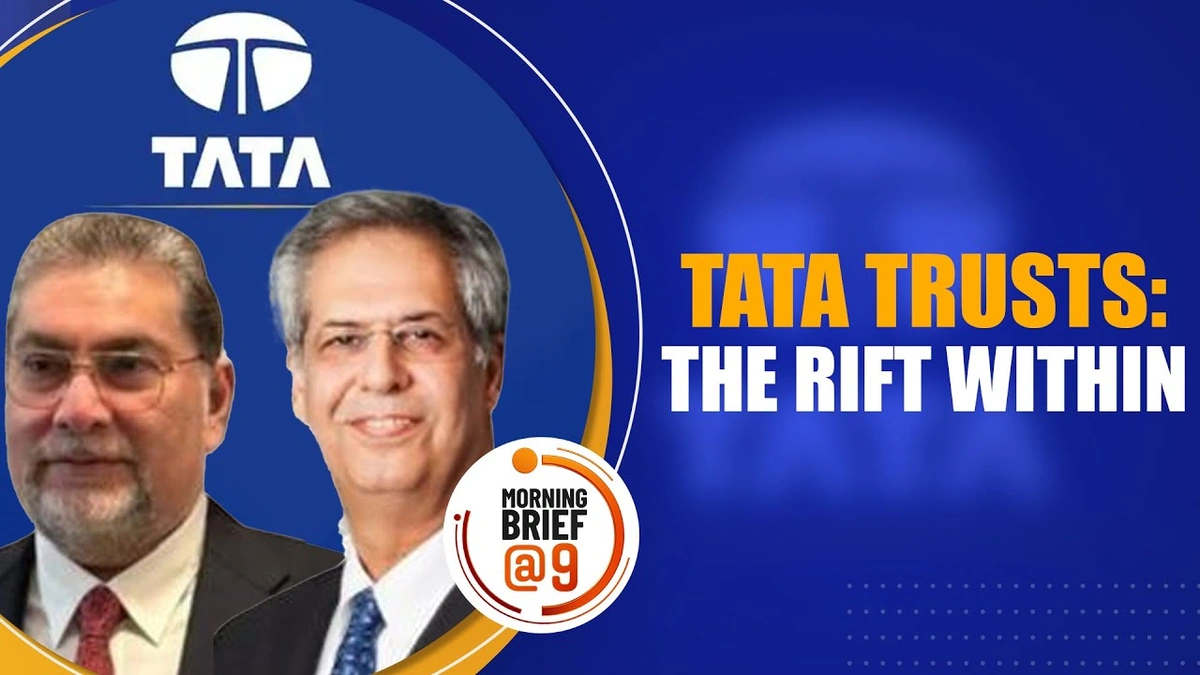
So, another chapter unfolds in the ongoing saga surrounding Tata Trusts . This time, it’s a letter from Darius Khambata that’s stirred the pot, grabbing headlines and reigniting discussions about internal dynamics. But let’s be honest, the news itself is just the surface. What really matters is why this is happening and what it tells us about the future of one of India’s most influential philanthropic organizations.
The Letter | A Symptom, Not the Disease
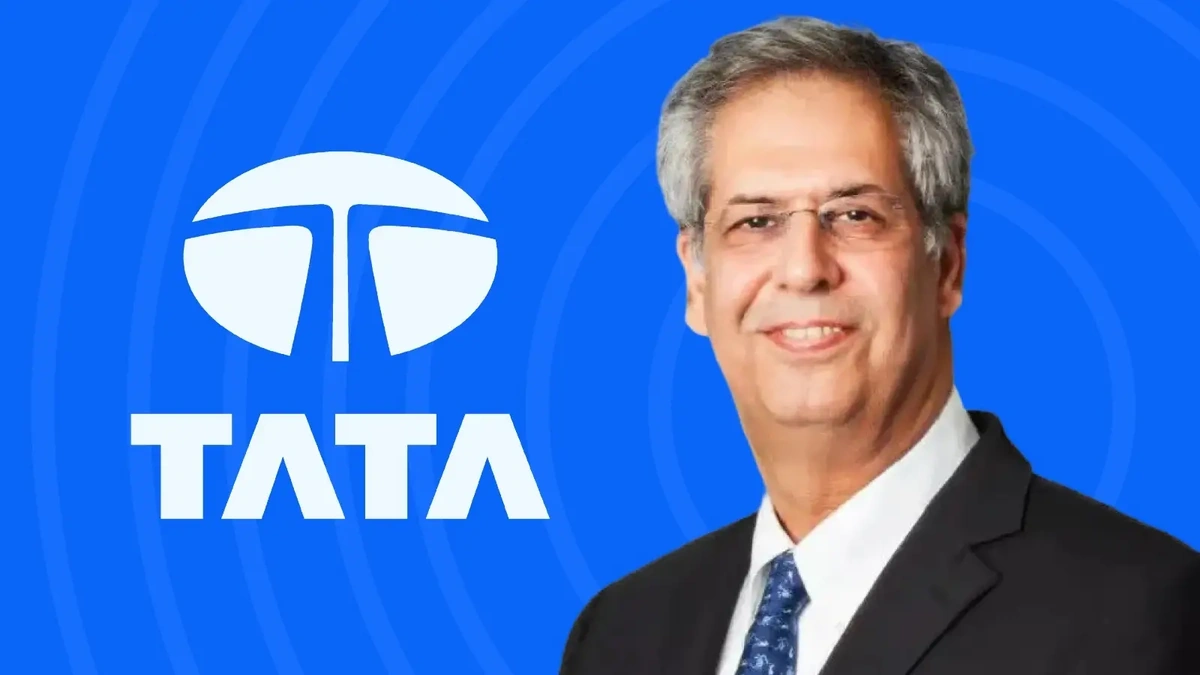
News outlets are focusing on the content of the letter –allegations, concerns, and perhaps even disagreements about the direction of the Tata Trusts . But here’s the thing: internal disagreements are normal in any organization, especially one as large and complex as this. What fascinates me is that the airing of these concerns in a public letter suggests deeper, systemic issues. It’s like seeing the tip of an iceberg; what lies beneath the surface?
We need to ask: What led to this point? Why was a public letter deemed necessary? Was it a last resort after internal channels failed? Understanding the context behind the letter is crucial to understanding the bigger picture of the Tata Trust’s current state. To truly grasp what’s happening, we can’t just read the headlines; we need to delve into the history, the personalities involved, and the evolving priorities of the trust. According to the Tata Trusts official website , the organization has been around for well over a century.
The “Why” | Shifting Priorities and Generational Change?
One possible explanation lies in the natural evolution of any organization. Priorities shift, new leaders emerge, and with them come new ideas about how to best fulfill the Tata Trusts’ mission. Perhaps there’s a generational shift happening, with younger trustees pushing for different approaches than their predecessors.
Consider this: the world of philanthropy is changing rapidly. There’s increasing pressure for greater transparency, accountability, and impact measurement. Are these pressures influencing the internal debates within the Tata Trusts ? Are different factions clashing over how to adapt to these new realities? Understanding these underlying tensions is key to understanding the current “rift.”
And, let’s be honest, large organizations like this often face inertia. Are there concerns about bureaucratic processes hindering innovation or slowing down decision-making? Khambata’s letter may be reflecting a frustration with the pace of change or a desire for more decisive action on key issues.
The Implications for India’s Social Sector
The Tata Trusts are a cornerstone of India’s social sector. Their work impacts everything from healthcare and education to rural development and disaster relief. Any internal turmoil within the trusts has the potential to ripple outwards, affecting the countless individuals and communities who rely on their support. That’s why this news is so important.
If the trusts are struggling to adapt to changing circumstances, it could lead to a decline in their effectiveness. Projects could be delayed, funding could be misallocated, and the overall impact of their work could be diminished. It’s crucial that these internal issues are resolved quickly and effectively to ensure that the Tata Trusts can continue to play their vital role in India’s development. It’s a reminder that even the most established institutions need to constantly evolve and adapt to stay relevant and effective. The debate surrounding the Khambata letter and the attention it has drawn highlight this point.
Moving Forward | Transparency and Dialogue
So, what’s the solution? It’s tempting to speculate about specific outcomes or predict the future of the Tata Trusts . But what’s clear is that transparency and open dialogue are essential. The trusts need to address the concerns raised in the letter in a public and accountable manner. This isn’t just about damage control; it’s about reaffirming their commitment to their mission and rebuilding trust with stakeholders.
I initially thought this was a simple case of internal disagreement. But then I realized that the public nature of the letter elevates it to something far more significant. It’s a challenge to the Tata Trusts to demonstrate their commitment to good governance, accountability, and the well-being of the communities they serve. How they respond to this challenge will define their legacy for years to come. And here’s a relevant article regarding 1rs debt-free stock.
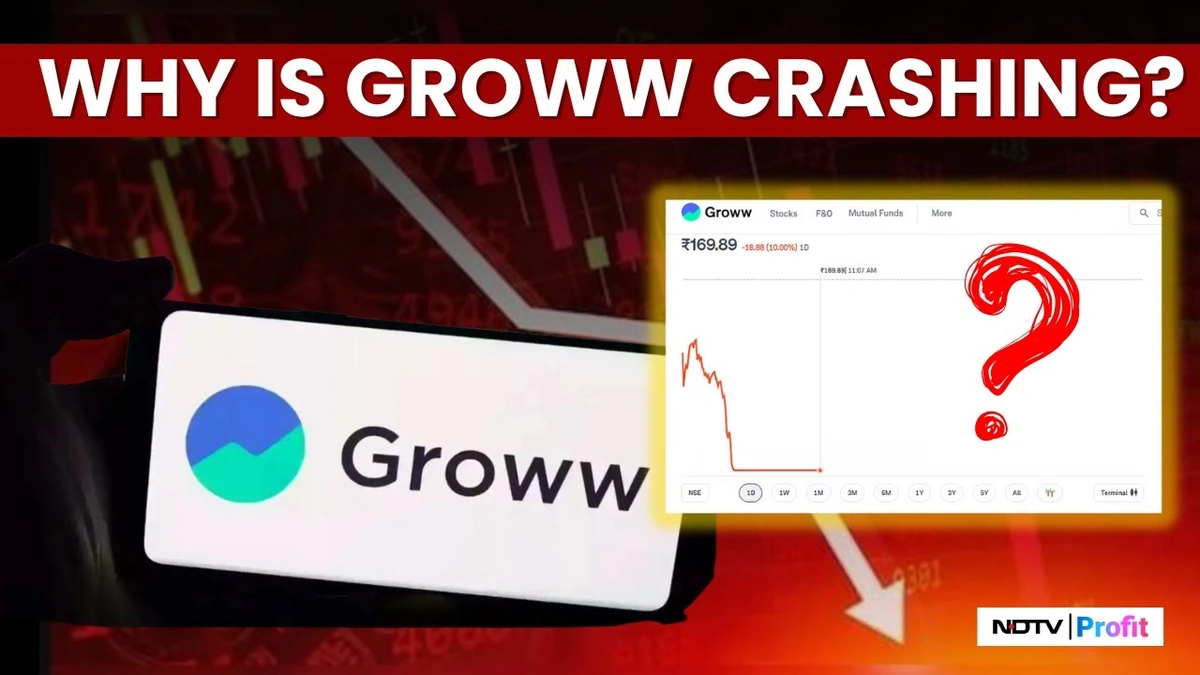
What if the Khambata letter is actually a catalyst for positive change? What if it forces the Tata Trusts to re-evaluate their priorities, streamline their operations, and become even more effective in their work? Perhaps this moment of crisis will ultimately lead to a stronger, more resilient organization, better equipped to address the challenges facing India today. This all begs the question about Groww customer acquisition cost.
FAQ About the Tata Trusts
What exactly are the Tata Trusts?
The Tata Trusts are a group of philanthropic organizations founded by the Tata family. They work in various fields like healthcare, education, and rural development.

Why is this Darius Khambata letter important?
The letter has brought internal disagreements within the Tata Trusts into the public eye, raising questions about governance and future direction.
How might this affect the communities the Trusts serve?
If internal issues aren’t resolved, it could potentially slow down projects and impact the effectiveness of the Trusts’ work.
Where can I find reliable information about this situation?
Stick to credible news sources and official statements from the Tata Trusts themselves. Avoid spreading rumors or unverified information.
Are the Tata Trusts related to Tata Sons?
Yes, the Tata Trusts are major shareholders in Tata Sons, the holding company of the Tata Group.
Disclaimer: ऊपर दिए गए विचार और सिफारिशें व्यक्तिगत विश्लेषकों या ब्रोकिंग कंपनियों की हैं, न कि "Finance Ghar" की। हम निवेशकों को सलाह देते हैं कि किसी भी निवेश निर्णय लेने से पहले प्रमाणित विशेषज्ञों से परामर्श करें। निवेश में जोखिम होता है और सही जानकारी के बिना निर्णय लेना हानिकारक हो सकता है।