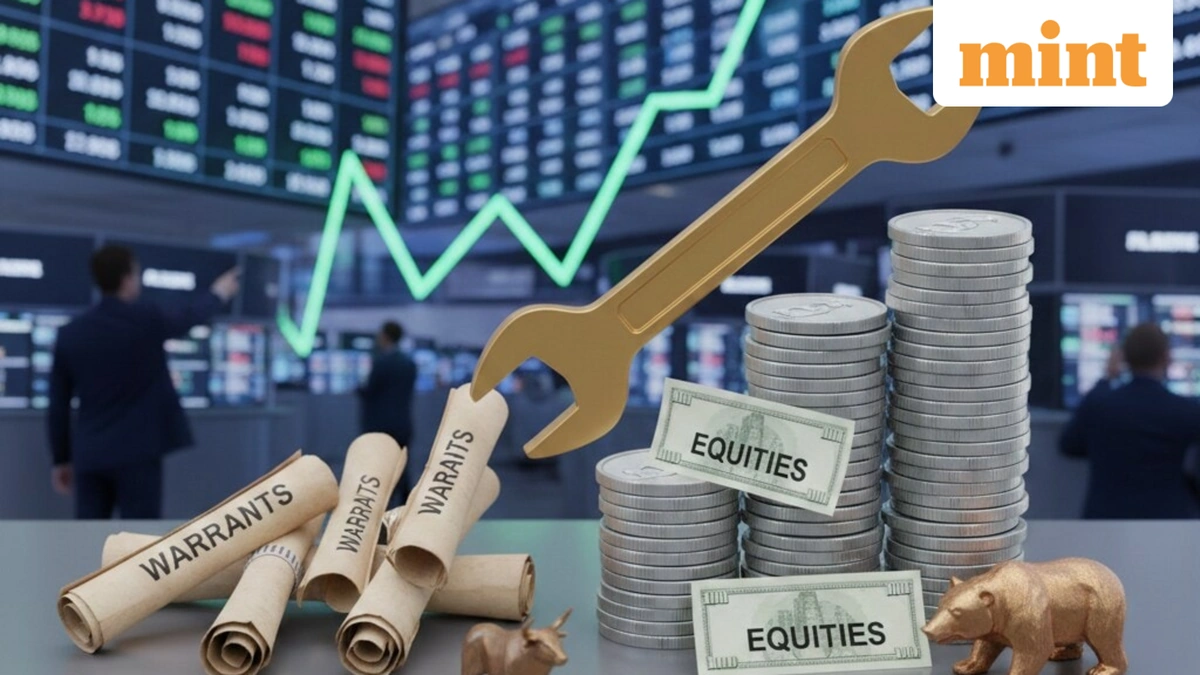
The Indian stock market , a beast of both beauty and volatility, is on everyone’s radar right now. Will the Sensex and Nifty finally break through those seemingly impenetrable ceilings and reach new all-time highs? That’s the million-dollar question, isn’t it? And let’s be honest, it’s not just about bragging rights; it’s about real money, real investments, and real futures. But before we get carried away with visions of champagne wishes and caviar dreams, let’s dig a little deeper. I initially thought this was a straightforward “yes” or “no” scenario, but the more I looked, the more I realized…it’s complicated.
Understanding the Current Market Sentiment

So, what’s fueling this relentless optimism? Well, several factors are at play. First, the Indian economy, despite global headwinds, has shown remarkable resilience. Corporate earnings have been generally positive, and foreign institutional investors (FIIs) are pumping money back into the market after a period of cautious selling. According to a recent report from the Economic Times, FII inflows have surged by over 20% in the last quarter alone. But, and this is a BIG but, market sentiment can be fickle. Here’s the thing: the stock market is not a perfect reflection of the economy. It’s a forward-looking indicator, driven by expectations and… well, sometimes just plain old herd mentality.
One of the key indicators to watch is the India VIX, often referred to as the “fear gauge.” It measures market volatility and investor sentiment. A lower VIX generally indicates a more complacent market, which can be a double-edged sword. While it suggests confidence, it also means that investors might be underestimating potential risks. Consider factors like global inflation, geopolitical tensions (because, let’s face it, there’s always something brewing), and the potential for interest rate hikes by the Reserve Bank of India (RBI). These are all wild cards that could easily throw a wrench into the rally.
Key Sectors Driving the Rally
Which sectors are leading the charge? Financial services, IT, and auto have been the primary drivers. Banks, in particular, have seen a significant boost in profitability due to increased lending and improved asset quality. But, let’s be real, this can’t last forever. The market is pricing in a lot of future growth, and any disappointment in earnings could trigger a sharp correction. What fascinates me is how quickly narratives can change. One day, a sector is the darling of the market; the next, it’s being written off as overvalued. Investing requires both conviction and a healthy dose of skepticism.
Don’t forget about the small-cap and mid-cap segments. They’ve been outperforming the large-caps for quite some time, offering higher returns but also carrying higher risk. It’s like that spicy street food you love – incredibly delicious, but you know there’s a chance it might upset your stomach later. So, if you’re venturing into these segments, make sure you do your homework and understand the companies you’re investing in. And remember, diversification is your best friend. Don’t put all your eggs in one basket, especially if that basket is a tiny, untested startup.
Technical Analysis | Charting a Course to New Highs
Now, let’s talk about the charts. Technical analysts – those folks who pore over squiggly lines and patterns – are closely watching key support and resistance levels. The Sensex and Nifty have been flirting with their all-time highs for weeks, and a decisive breakout could signal further upside. However, a failure to break through could lead to a period of consolidation or even a pullback. Technical analysis is not an exact science. It’s more like reading tea leaves – interpreting patterns and trying to predict the future based on past behavior. But, when combined with fundamental analysis (evaluating a company’s financials and business prospects), it can provide valuable insights.
A common mistake I see people make is relying solely on technical indicators without understanding the underlying fundamentals. It’s like trying to drive a car by only looking at the speedometer – you might know how fast you’re going, but you have no idea where you’re headed. Nifty hitting its peak is a great sign but we must do our due diligence. Remember, the stock market is a complex system, and no single indicator can provide a complete picture.
The Global Economic Outlook | A Cloud on the Horizon?
We can’t ignore the global context. The world economy is facing a number of challenges, including high inflation, rising interest rates, and geopolitical instability. A recession in the US or Europe could have a significant impact on Indian markets. India is not an isolated island; we’re part of a globalized world, and our economy is closely linked to international trade and capital flows. According to the World Bank, global growth is projected to slow down significantly in the coming years, and this could dampen investor sentiment and lead to a correction in the stock market .
So, what’s the bottom line? Will the Sensex and Nifty reach new highs? Honestly, I don’t have a crystal ball. No one does. But, based on the current evidence, it’s certainly a possibility. However, investors need to be aware of the risks and manage their expectations accordingly. Don’t get caught up in the hype. Do your research, diversify your portfolio, and invest for the long term. A good investing strategy should focus on your long term financial goals.
Strategies for Navigating a Potentially Overheated Market
So, what should an investor do? Here are a few strategies to consider:
- Profit Booking: If you’ve made substantial gains, consider taking some profits off the table. This will reduce your exposure to market risk and provide you with cash to deploy during potential dips.
- Staggered Investment: Avoid investing all your money at once. Instead, invest in tranches over time. This will help you to average out your purchase price and reduce the risk of buying at the top.
- Focus on Quality: Stick to companies with strong fundamentals, a proven track record, and sustainable business models. Avoid speculative bets on companies with unproven business models or excessive debt.
- Stay Informed: Keep a close eye on market developments and economic data. Be aware of the risks and opportunities, and adjust your portfolio accordingly.
Remember, investing is a marathon, not a sprint. Don’t try to time the market or get rich quick. Focus on building a solid, diversified portfolio that aligns with your risk tolerance and financial goals. And most importantly, don’t let emotions drive your decisions. Be rational, be patient, and be disciplined.
FAQ
What are the key factors that could trigger a stock market correction?
Several factors could trigger a correction, including rising interest rates, a slowdown in economic growth, geopolitical tensions, and unexpected negative news events.
How can I protect my portfolio from market volatility?
Diversification is key. Also, consider using stop-loss orders to limit your potential losses.
Is it a good time to invest in small-cap stocks?
Small-cap stocks can offer higher returns, but they also carry higher risk. Make sure you do your research and understand the companies you’re investing in.

What if I’m new to the stock market ?
Start with a small amount of money and invest in well-established companies or index funds. Seek advice from a qualified financial advisor.
Where can I find reliable information about the stock market ?
Consult financial news websites, brokerage reports, and research firms. Be wary of information from unverified sources.
What is the role of infrastructure stocks in the current market?
Infrastructure stocks are sensitive to government policies and economic growth, often reflecting overall market optimism.
In conclusion, the question of whether the Sensex and Nifty will reach new highs is not a simple yes or no. It’s a complex equation with many variables. But by understanding the underlying dynamics, managing your risk, and staying disciplined, you can navigate the stock market and achieve your financial goals. So, go forth, invest wisely, and may the odds be ever in your favor. Just remember to keep that healthy dose of skepticism handy – you never know when you might need it.
Disclaimer: ऊपर दिए गए विचार और सिफारिशें व्यक्तिगत विश्लेषकों या ब्रोकिंग कंपनियों की हैं, न कि "Finance Ghar" की। हम निवेशकों को सलाह देते हैं कि किसी भी निवेश निर्णय लेने से पहले प्रमाणित विशेषज्ञों से परामर्श करें। निवेश में जोखिम होता है और सही जानकारी के बिना निर्णय लेना हानिकारक हो सकता है।