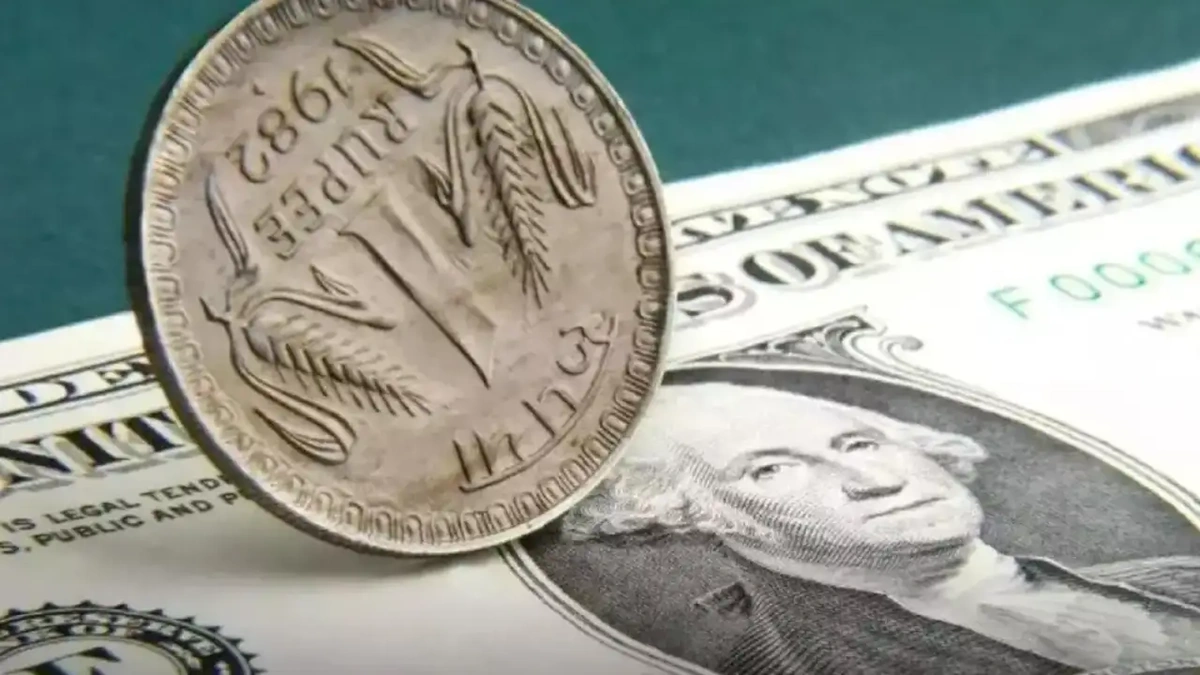
The Indian rupee , that humble little piece of paper (or polymer, depending on when you last checked), is making headlines again. And not in a good way. News outlets are buzzing about its recent depreciation, and the Congress party is, predictably, taking potshots at Prime Minister Modi. But let’s be honest – what does this really mean for you and me? Forget the political drama for a second. Let’s dive into the ‘why’ and the ‘how’ of a falling rupee, and I promise to make it as painless as possible.
Why Should You Care About a Weakening Rupee? (It’s Not Just Numbers)
So, why should you, a perfectly reasonable person with bills to pay and maybe a vacation on your mind, care about the value of the Indian rupee ? Because it’s not just some abstract economic indicator. It touches your life in surprisingly direct ways. Think of it like this: the rupee’s value is a bit like your own financial health report card. When it’s strong, things are generally good. When it weakens, well, that’s when things get a little… complicated.
The most immediate impact? Inflation. A weaker rupee makes imports more expensive. And India, despite its growing manufacturing sector, still relies heavily on imports for things like crude oil, electronics, and even certain food items. As these imports become pricier, businesses pass on the costs to consumers. Boom – your monthly grocery bill just went up. Your petrol prices are soaring. That dream gadget you were eyeing? Now it’s even further out of reach. It’s a domino effect, really. As per the guidelines mentioned in the information bulletin this impacts us all.
But – and this is a big ‘but’ – there are also potential upsides. A weaker rupee’s exchange rate can boost India’s exports. Indian goods and services become more competitive in the global market, potentially leading to increased demand and economic growth. This, in turn, could create more jobs and improve the overall economic climate. The key word here is ‘could.’ It’s not a guaranteed win, but it’s a silver lining worth considering. Learn more here .
The Usual Suspects | What’s Driving the Rupee Down?
Okay, so we know why it matters. Now, let’s tackle the why behind the depreciation itself. There are several factors at play, a complex web of global and domestic forces that keep economists up at night. But let me break it down into a few key drivers.
First, there’s the global economic climate. When the world economy is uncertain, investors tend to flock to safer assets, like the US dollar. This increased demand for dollars strengthens the dollar and, conversely, weakens other currencies, including the rupee. Global events like geopolitical tensions or unexpected economic downturns in major economies can trigger this ‘flight to safety.’ But, the Reserve Bank of India (RBI) can intervene.
Second, the US Federal Reserve’s interest rate hikes play a significant role. Higher interest rates in the US attract foreign investment, further strengthening the dollar and putting downward pressure on the rupee. This is a classic case of capital flowing where it gets the best return. We see this every time. Higher rates are seen as favorable to investors and the rates dictate where investment moves.
Third, domestic factors also contribute. India’s trade deficit – the difference between its imports and exports – is a key indicator. A large trade deficit means India is buying more from the world than it’s selling, which puts pressure on the rupee. Government policies, inflation rates, and overall economic growth also influence investor sentiment and, consequently, the rupee’s value. Understanding currency depreciation requires us to understand all the causes.
Congress’s Criticism | Fair Game or Political Posturing?
So, Congress is criticizing PM Modi about the falling rupee. Is it fair? Well, that’s a loaded question, isn’t it? Let’s be honest – political parties are always going to use economic events to score points. It’s the nature of the game. But the truth is that blaming any single government for the rupee’s fluctuations is an oversimplification. The factors driving the rupee are complex and often beyond the control of any one administration.
That said, a government’s policies can certainly exacerbate or mitigate the situation. Sound fiscal management, policies that promote exports and attract foreign investment, and efforts to control inflation can all help to stabilize the rupee. Conversely, policies that lead to increased government spending, higher inflation, or a decline in investor confidence can put further downward pressure on it. Remember that according to the latest circular on the official NTA website this can affect the global markets. Click to learn more .
What fascinates me is how quickly people point fingers without understanding the intricate dynamics at play. The reality is that managing a country’s currency is a constant balancing act, a delicate dance between global forces and domestic policies.
What Can India Do To Strengthen Its Currency?
This is the million-dollar question, isn’t it? There’s no magic bullet, no single solution that will instantly turn the Indian rupee into a powerhouse currency. But here are a few key strategies that India can pursue, and frankly, should be pursuing anyway.
First, boost exports. This seems obvious, but it’s easier said than done. India needs to become more competitive in global markets, improve its infrastructure, streamline its regulations, and create a more business-friendly environment. This will attract more foreign investment.
Second, attract foreign investment. Foreign investment brings in dollars, which increases the demand for rupees and strengthens its value. The government can attract foreign investment by offering tax incentives, reducing bureaucratic hurdles, and creating a stable and predictable investment climate.
Third, manage inflation. High inflation erodes the value of the rupee and makes Indian goods and services less competitive. The RBI needs to keep a close eye on inflation and use its monetary policy tools to keep it under control. They also need to reduce import dependence. This can be achieved through initiatives like “Make in India”, encouraging local production and reducing the need to spend foreign currency on imports.
And finally, a big one, structural reforms. Implement policies that promote long-term economic growth and stability, such as improving infrastructure, education, and healthcare. These can improve investor confidence in the Indian economy.

These are all long-term solutions, requiring sustained effort and political will. But they’re essential for building a stronger, more resilient Indian economy and a more stable rupee.
FAQ
Will the rupee continue to depreciate?
It’s impossible to say for sure. Many factors influence the rupee’s value, and predicting the future is always a risky business. However, monitoring global economic trends, RBI policies, and government actions can provide insights.
How does the rupee’s depreciation affect NRIs?
For Non-Resident Indians (NRIs), a weaker rupee can be a mixed bag. On one hand, it makes sending money back home more valuable, as their foreign currency can buy more rupees. On the other hand, it can make investments in India more expensive.
What is the role of the RBI in managing the rupee’s value?
The RBI plays a crucial role in managing the rupee’s value. It uses various tools, such as buying or selling foreign currency reserves, adjusting interest rates, and implementing other monetary policies, to influence the rupee’s exchange rate and maintain economic stability.
What can I do to protect myself from the effects of a weakening rupee?
Diversifying your investments, especially into assets that are not rupee-denominated, is one strategy. Staying informed about economic trends and seeking professional financial advice can also help you make informed decisions.
How does a strong dollar affect the rupee?
A strong dollar typically puts downward pressure on the rupee. As the dollar becomes more valuable, it takes more rupees to buy dollars, leading to a weaker rupee.
So, where does this leave us? The Indian rupee ‘s journey is a continuous story, full of twists and turns. The Congress party’s criticism might be politically motivated, but it also serves as a reminder that economic stability is a shared responsibility. What I believe, ultimately, is that understanding the forces at play is the first step towards navigating the complexities of the global economy and making informed decisions about your own financial future. The economy is a marathon, not a sprint, and keeping an eye on the rupee value is essential.
Disclaimer: ऊपर दिए गए विचार और सिफारिशें व्यक्तिगत विश्लेषकों या ब्रोकिंग कंपनियों की हैं, न कि "Finance Ghar" की। हम निवेशकों को सलाह देते हैं कि किसी भी निवेश निर्णय लेने से पहले प्रमाणित विशेषज्ञों से परामर्श करें। निवेश में जोखिम होता है और सही जानकारी के बिना निर्णय लेना हानिकारक हो सकता है।