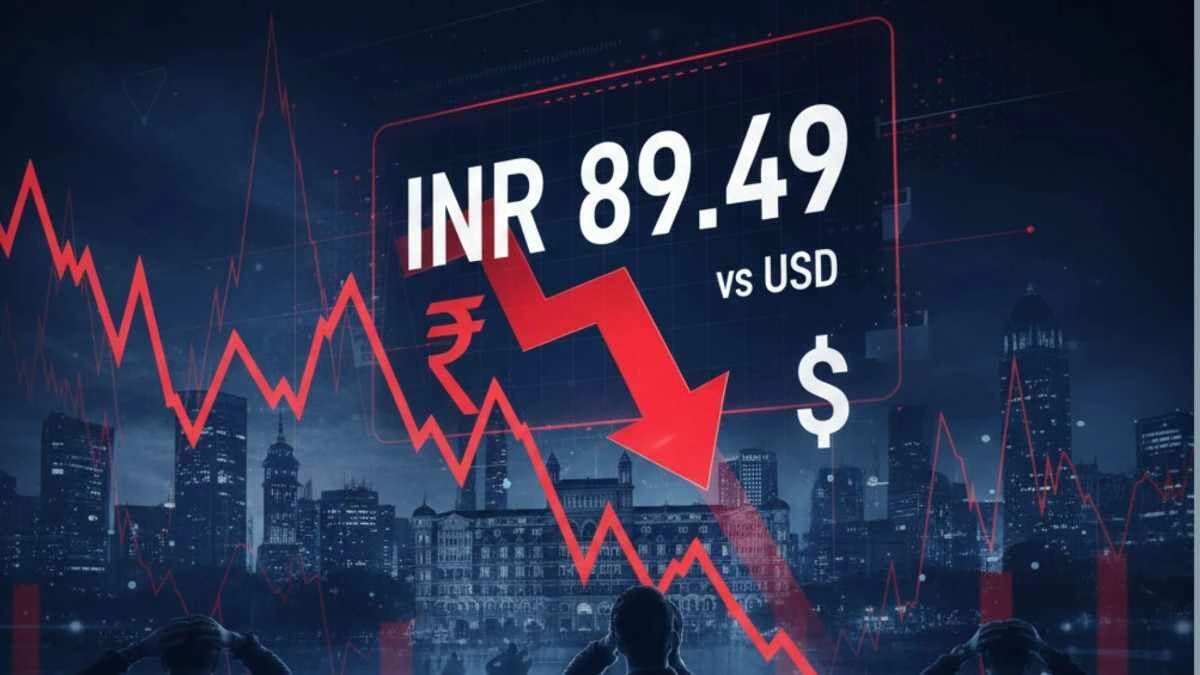
The rupee crash – it’s a phrase that sends shivers down the spines of economists and sparks anxiety in the average Indian household. But what’s really going on? Is this just another blip on the radar, or are we looking at something more significant? What fascinates me is how quickly the narrative shifts from stable to shaky ground. Let’s be honest, keeping up with the Indian economy can feel like trying to catch smoke.
Naveen Mathur, a seasoned market analyst, offers some crucial insights into the current situation. We won’t just rehash the headlines; we’ll dive deep into the why behind the rupee’s depreciation and, more importantly, what it means for you – the consumer, the investor, the everyday person trying to make sense of it all. This isn’t just about numbers; it’s about your money, your future, and India’s place on the global stage.
Decoding the Rupee’s Descent | More Than Just a Headline
So, what’s causing this? Here’s the thing: it’s rarely just one factor. A confluence of global events and domestic pressures are usually at play. The strengthening US dollar, for instance, is a major culprit. As the dollar becomes more attractive, investors flock to it, pulling money away from emerging markets like India. This increased demand for dollars drives up its value, making the rupee comparatively weaker. This is an example of currency devaluation at play.
But it’s not all external. India’s own economic policies, trade deficits, and inflationary pressures also contribute. Think of it like a balancing act – too much weight on one side, and the whole thing tips over. According to a recent report from the Reserve Bank of India (RBI), the persistent trade deficit , driven by high oil imports and fluctuating commodity prices, is a key concern. And let’s not forget geopolitical tensions; they always add an extra layer of uncertainty.
The Russia-Ukraine conflict, for example, has disrupted global supply chains and sent energy prices soaring. As India imports a significant portion of its oil, this puts pressure on the rupee. See, everything is connected. You can see how global market volatility effects the local currency.
The Ripple Effect | How the Rupee’s Fall Impacts You
Okay, so the rupee is falling. But what does it actually mean for you, sitting in your home, trying to manage your budget? Well, here’s where it gets real. A weaker rupee makes imports more expensive. That means everything from electronics and automobiles to raw materials for manufacturing becomes pricier. This can lead to imported inflation, where the cost of imported goods pushes up overall price levels in the economy.
And that’s not all. If you’re planning a trip abroad, your vacation just got more expensive. Similarly, if you’re an Indian student studying overseas, your tuition fees and living expenses will effectively increase. On the flip side, exporters stand to benefit, as their goods become more competitive in the global market. But even that coin has two sides; if the global demand is weak, the advantage is limited.
I initially thought this was straightforward, but then I realized the true impact is quite nuanced. A weaker rupee can also attract foreign investment, as Indian assets become cheaper for foreign investors. This influx of capital can help boost the economy and offset some of the negative effects. So, it’s not all doom and gloom. But let’s be honest, navigating these economic currents requires careful planning and a bit of savvy.
Naveen Mathur’s Perspective | A Voice of Reason
So, where does Naveen Mathur fit into all of this? As a market analyst, Mathur brings a grounded, data-driven perspective to the table. He’s not prone to hyperbole or sensationalism; instead, he focuses on the underlying trends and potential scenarios. Mathur emphasizes the importance of monitoring global cues, managing risk, and diversifying investments.
He often speaks about the need for the RBI to strike a balance between supporting growth and controlling inflation. It’s a delicate dance, and there are no easy answers. According to Mathur, intervention in the currency market should be strategic and targeted, not a knee-jerk reaction to every fluctuation. A common mistake I see people make is panicking and making impulsive decisions based on short-term market movements. Mathur’s advice is to stay calm, stick to your long-term investment strategy, and consult with a financial advisor. You can also consult our other articles on investment strategies.
He believes that a strong and stable rupee is essential for India’s long-term economic prosperity. What fascinates me is that it’s all connected: a stable currency fosters investor confidence, encourages foreign investment, and promotes sustainable growth.
Navigating the Uncertainty | Practical Steps You Can Take
Okay, so you understand the situation. But what can you actually do about it? A few practical steps can help you mitigate the impact of the rupee’s fall.
First, review your budget and identify areas where you can cut back on discretionary spending. This might mean postponing that overseas trip or opting for a more budget-friendly alternative. Second, if you’re planning to invest in foreign assets, consider hedging your currency risk. This involves using financial instruments to protect yourself against potential losses due to currency fluctuations.
Third, stay informed and consult with a financial advisor. They can help you assess your individual circumstances and develop a personalized investment strategy. And finally, remember that the foreign exchange market is dynamic. There will be ups and downs, but it’s important to stay focused on your long-term goals. The one thing you absolutely must do is to remain calm and seek good advice.
The current weakness in the Indian Rupee has also made forex reserves a hot topic. The central bank uses these reserves to control the market, in addition to setting interest rates, to help maintain a stable currency value.
Looking Ahead | The Future of the Rupee
So, what does the future hold for the rupee? Predicting currency movements is notoriously difficult, but a few key factors will likely influence its trajectory. Global economic conditions, the direction of US monetary policy, and India’s own economic reforms will all play a role.
According to a recent report by a leading financial institution, the rupee is expected to remain under pressure in the near term, but it could stabilize in the medium to long term as India’s economic fundamentals improve. Improved economic conditions are key to long term strength.
But let’s be honest, there are no guarantees. The global economy is facing a number of challenges, and India is not immune. But here’s the thing: India has a proven track record of resilience. It has weathered many storms in the past, and it is well-positioned to navigate the current challenges. The key is to stay adaptable, embrace reforms, and foster a stable and predictable policy environment.

FAQ Section
Frequently Asked Questions
What factors contribute to the Rupee’s depreciation?
The Rupee’s depreciation is influenced by global factors like a strong US dollar and geopolitical tensions, as well as domestic issues such as trade deficits and inflationary pressures.
How does the falling Rupee impact the average Indian consumer?
A weaker Rupee leads to more expensive imports, potentially causing imported inflation and increasing the cost of international travel and education.
What steps can individuals take to mitigate the effects of a depreciating Rupee?
Individuals can cut back on discretionary spending, consider hedging currency risk for foreign investments, and consult with a financial advisor for personalized strategies.
What is Naveen Mathur’s perspective on the Rupee’s fall?
Naveen Mathur emphasizes monitoring global cues, managing risk, and diversifying investments, advocating for strategic intervention by the RBI in the currency market.
How do forex reserves impact the market?
The central bank uses these reserves to control the market and help maintain a stable currency value.
Ultimately, the rupee’s value is a reflection of India’s economic strength and its place in the world. By understanding the underlying factors and taking proactive steps, we can all navigate the uncertainty and build a more secure financial future. And always remember, stay informed and seek good advice.
Disclaimer: ऊपर दिए गए विचार और सिफारिशें व्यक्तिगत विश्लेषकों या ब्रोकिंग कंपनियों की हैं, न कि "Finance Ghar" की। हम निवेशकों को सलाह देते हैं कि किसी भी निवेश निर्णय लेने से पहले प्रमाणित विशेषज्ञों से परामर्श करें। निवेश में जोखिम होता है और सही जानकारी के बिना निर्णय लेना हानिकारक हो सकता है।