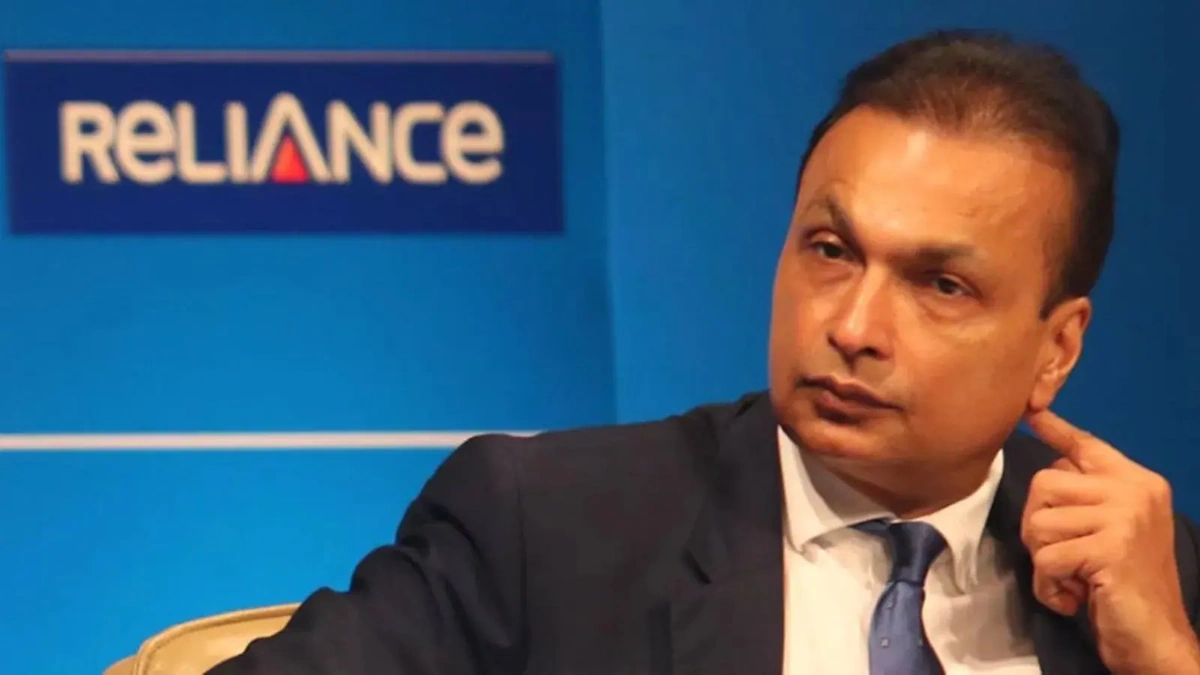
Alright, let’s dive straight into it. The Enforcement Directorate (ED) has just seized assets worth a staggering Rs 3,084 crore belonging to the Reliance Anil Ambani Group properties . That’s not pocket change, folks. But here’s the thing: it’s not just about the numbers. It’s about what this means, why it’s happening, and what could come next. Forget the surface-level news; we’re digging deeper. This action by the ED is connected to investigations into alleged violations of the Prevention of Money Laundering Act (PMLA). But what does that actually mean for everyone involved, from investors to the average citizen?
The ‘Why’ Behind the Seizure | More Than Meets the Eye

Here’s the thing: these seizures aren’t isolated incidents. They’re symptoms of larger economic forces at play. The ED’s action comes in the wake of investigations into alleged financial irregularities. But let’s be honest – it’s rarely just about one thing, is it? What fascinates me is how intertwined corporate fortunes are with regulatory scrutiny and the overall economic climate. This is a critical moment to consider how such actions affect investor confidence, especially when dealing with prominent business groups. And that is why this matters.
A common misconception I see is that these actions are swift and decisive. But in reality, according to reports, these ” benami assets ” were provisionally attached by the Income Tax Department between 2018 and 2020, but only seized by ED recently. This process highlights a sluggish legal system, underscoring the difficulties in enforcing regulations and potentially deterring foreign investment. Consider it a wake-up call for those thinking India’s legal processes are quick!
Furthermore, it’s important to understand that these are provisional attachments. This means the ED believes these assets are proceeds of crime and is preventing them from being alienated or transferred. The courts will now have to decide if the assets are indeed linked to illegal activities. The ED’s claim is that the seized assets were held in the name of dummy companies.
Breaking Down the Numbers | What Rs 3,084 Crore Really Means
Okay, let’s put that massive number – Rs 3,084 crore – into perspective. Imagine the infrastructure projects that could be funded with that amount. Think of the schools, hospitals, or renewable energy initiatives. That’s the potential loss to the nation when such vast sums are allegedly tied up in illicit activities. It’s not just a number; it’s opportunity cost. The investigation is tied to an ongoing probe related to offshore assets. As per initial reports, the ED alleges that Anil Ambani has not declared these assets and liabilities to the investigative agencies.
And, consider the impact on shareholders. News like this invariably sends ripples through the stock market. While the Reliance Anil Dhirubhai Ambani Group (RADAG) may not be as prominent as it once was, there are still countless investors, big and small, who are affected by its performance. Investor sentiment is delicate, and actions like these can trigger a domino effect. For additional context, you might also find this article on related stock trends interesting.
The Human Angle | Beyond Balance Sheets and Legal Jargon
It’s easy to get lost in the financial jargon and legal complexities, but let’s not forget the human element. Thousands of employees, directly and indirectly linked to the Reliance Anil Ambani Group , face uncertainty. Their livelihoods, their families’ futures these are all caught in the crossfire. The ED action against Reliance Anil Ambani Group Properties underscores the potential ramifications on employment and the overall economic ecosystem. Let’s rephrase that for clarity: it’s not just about the company; it’s about the people who depend on it. The allegations against Anil Ambani include that he allegedly made investments in overseas companies, and that he allegedly failed to disclose these investments.
What fascinates me is the kind of pressure that key decision-makers face in times of crisis. I initially thought this was straightforward, but then I realized the magnitude of challenges involved in managing a business empire when faced with regulatory scrutiny. This is where things get really complicated, and you start to see the human toll behind the headlines.
What’s Next? The Road Ahead for Reliance Anil Ambani Group
So, what happens now? The legal process will unfold. The courts will examine the evidence. The ED’s investigation will continue. And the Anil Ambani group will likely mount a legal defense. This could be a protracted battle, potentially lasting years. But beyond the legal wrangling, the key question is: can the group regain investor trust? Can it restructure its operations and emerge stronger? Or will this mark a permanent turning point?
Moreover, this situation serves as a reminder of the importance of corporate governance and transparency. Companies, regardless of their size or influence, must adhere to the highest ethical standards. When these standards are compromised, the consequences can be far-reaching. You can also check this article about another similar situation in the news . As per the Enforcement Directorate , they are working to prevent money-laundering and bolster the economy.
As per reports from reliable sources, the ED has also accused Anil Ambani of non-cooperation during the investigation. In July 2024, the Bombay High Court dismissed Ambani’s challenge to the ED’s summons. It’s best to keep checking the official portal.
ED Action & Impact on the Real Estate Market
The seizing of properties by ED will definitely cause a stir in the market. The uncertainty around such high-value assets may affect the demand and pricing. Further the potential buyers may take a step back until the judicial process completes. Also the financial institutions may be hesitant to invest in the properties owned by the Anil Ambani Group. Also these seizures will definitely act as a deterrent for other business groups.
In conclusion, the ED’s seizure of Rs 3,084 crore worth of Reliance Anil Ambani Group assets is more than just a news headline. It’s a reflection of deeper economic and regulatory issues, with real consequences for investors, employees, and the nation as a whole. What fascinates me is the ability of such events to act as a catalyst for change, forcing companies and regulators alike to re-evaluate their practices and priorities.
FAQ
What exactly does ‘seizure’ mean in this context?
It means the ED has taken possession of the assets to prevent them from being sold or transferred while they investigate potential wrongdoing.

What happens to the seized assets now?
The ED will present its case in court, and the court will decide whether the assets are indeed proceeds of crime and can be permanently confiscated.
Could this affect other Reliance companies?
Potentially, yes. While the Anil Ambani’s group is distinct, major actions like these can impact investor confidence across the board.
What if I’m a shareholder – what should I do?
Stay informed, consult with a financial advisor, and understand the potential risks and opportunities. Diversification is always a good strategy.
Where can I find the latest official updates on this case?
Check the Enforcement Directorate’s official website and reputable financial news sources for verified information.
Disclaimer: ऊपर दिए गए विचार और सिफारिशें व्यक्तिगत विश्लेषकों या ब्रोकिंग कंपनियों की हैं, न कि "Finance Ghar" की। हम निवेशकों को सलाह देते हैं कि किसी भी निवेश निर्णय लेने से पहले प्रमाणित विशेषज्ञों से परामर्श करें। निवेश में जोखिम होता है और सही जानकारी के बिना निर्णय लेना हानिकारक हो सकता है।