E-commerce in India is a battlefield. Not a literal one, thankfully. But a fierce one, where companies battle it out for the hearts, minds, and wallets of Indian consumers. And in this arena, Meesho , with Sanjeev Kumar at its technological helm as CTO, is making a bold statement: affordability trumps speed. But why this focus? What does it mean for the future of e-commerce in India? That’s what we are digging into today.
The ‘Bharat’ First Approach | Why Affordability Matters
Let’s be honest, the Indian e-commerce landscape is diverse. You’ve got your Amazons and Flipkarts catering to a more urban, speed-conscious customer base. But then you have a massive segment – Bharat, as it’s often called – which comprises smaller towns and rural areas where price sensitivity is extremely important. Here’s the thing: Sanjeev Kumar’s stance isn’t just a business strategy; it’s an acknowledgement of this reality. It’s about building a platform that caters to the needs of the entire nation, not just the top tier. This approach is based on deep market segmentation .
Meesho’s core customer base isn’t necessarily looking for next-day delivery. They’re looking for value. They’re looking for products that fit their budget without compromising too much on quality. And that requires a fundamentally different approach to logistics, sourcing, and technology. Let me rephrase that for clarity: it’s about optimizing for cost-effectiveness rather than sheer speed. A common mistake I see people make is assuming everyone wants everything delivered yesterday. That’s just not true, especially in a market like India.
But it’s not just about being cheap, it’s about providing accessible value. Think about it – if you can offer a product at a significantly lower price point, even if it takes a few extra days to arrive, you’re opening up e-commerce to a whole new segment of the population. And that’s a pretty powerful thing.
How Meesho Achieves Affordability | A Peek Under the Hood
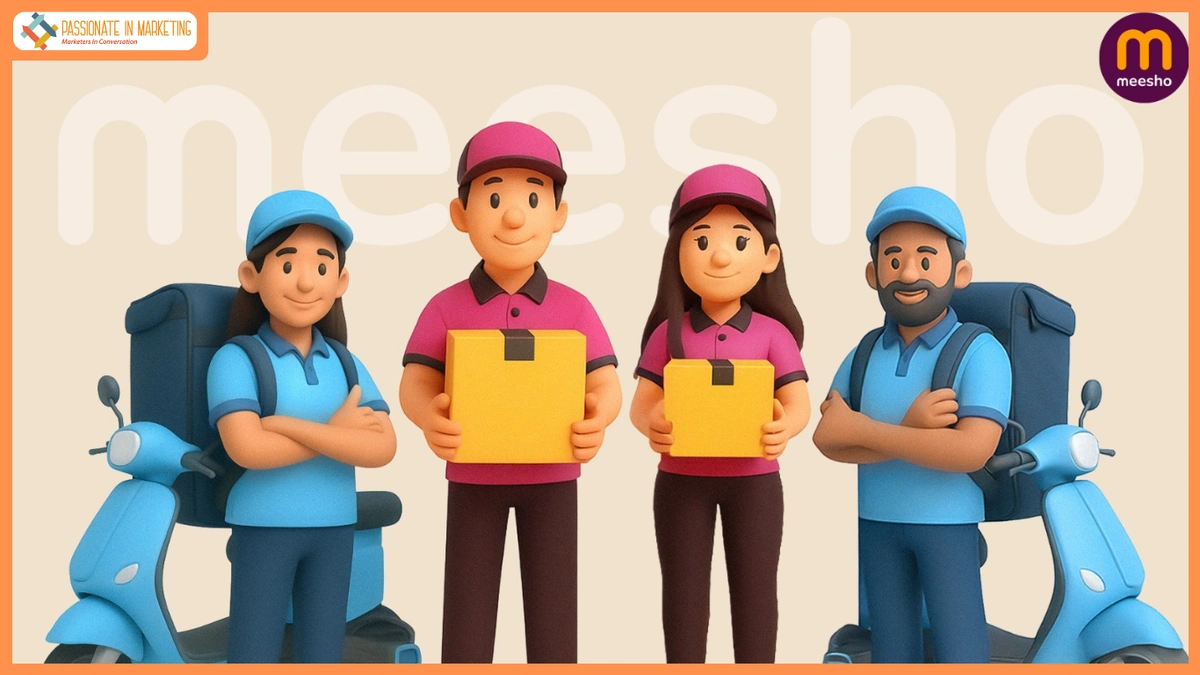
So, how does Meesho pull this off? It’s not magic, though sometimes it feels like it. It’s a combination of several key strategies. According to the official Meesho website , a key element is empowering small businesses and individual resellers. Instead of directly competing with them, Meesho provides a platform and tools to help them reach a wider audience.
Here’s the thinking: by cutting out the layers of middlemen and empowering local sellers, Meesho can offer products at a much lower cost. But, this also creates logistical and technological challenges. It requires a robust system for managing inventory, payments, and deliveries across a vast network of small-scale operators. It is important for Meesho to provide affordable e-commerce by supporting its users.
And that’s where Sanjeev Kumar comes in. His role as CTO is crucial in building and maintaining the technology infrastructure that makes all of this possible. This includes everything from optimizing the platform for low-bandwidth environments to developing algorithms that efficiently match buyers and sellers. I initially thought this was straightforward, but then I realized the complexity involved in managing such a decentralized system. It’s not just about building a website; it’s about building an entire ecosystem.
The Tech Behind Affordability | It’s Not Just About Cutting Costs
What fascinates me is the kind of tech that powers this approach. It’s not just about building the fanciest, most cutting-edge platform. It’s about building solutions that are specifically tailored to the needs of the Indian market. This means optimizing for lower bandwidth, supporting multiple languages, and designing interfaces that are intuitive for first-time internet users. Meesho uses AI-powered chatbots to provide customer support .

For example, consider the challenge of payment processing. A significant portion of the Indian population still relies on cash transactions. So, Meesho needs to offer alternative payment options, such as cash on delivery, and integrate with local payment gateways. It also means dealing with a higher rate of returns and cancellations, which requires robust fraud detection and risk management systems.
But it’s also about using data intelligently. By analyzing user behavior and purchase patterns, Meesho can identify opportunities to further optimize costs and improve the user experience. This includes everything from personalizing product recommendations to optimizing delivery routes.
The Future of E-commerce in India | Beyond Speed
So, what does this mean for the future of e-commerce in India? I think it signals a shift away from the traditional focus on speed and convenience, towards a more inclusive and accessible model. And Meesho is at the forefront of this movement. Let’s be honest; this model has its issues, but the intention is there. Meesho is facing tough competition from other e-commerce platforms like Amazon and Flipkart .
Now, Sanjeev Kumar’s vision isn’t about completely ignoring speed. It’s about prioritizing affordability without sacrificing quality or reliability. It’s about finding the right balance between meeting the needs of the mass market and catering to the demands of a more premium customer base.
And that, in my opinion, is a winning formula for long-term success in the Indian e-commerce landscape. It’s not just about selling products; it’s about empowering communities and creating economic opportunities for millions of people. And that’s something worth getting excited about.
Consider the fact that entrepreneurship is increasingly popular. More individuals are looking to start their own businesses. E-commerce has allowed many people to work from home.
The Social Impact of Accessible E-commerce
Beyond the pure business perspective, there’s a significant social impact to consider. By making e-commerce accessible to a wider range of consumers and sellers, Meesho is contributing to financial inclusion and economic empowerment. This is particularly important for women, who often face greater barriers to traditional forms of employment. The importance of e-commerce is huge.
Meesho’s platform provides a flexible and convenient way for women to start their own businesses, earn an income, and gain financial independence. And that’s a pretty powerful force for social change. It’s about creating opportunities for people to improve their lives and build a better future for themselves and their families. And that’s something that should be celebrated.

But it’s not without its challenges. Ensuring fair labor practices, protecting consumer rights, and addressing issues of digital literacy are all crucial for realizing the full potential of accessible e-commerce. So, while Meesho’s focus on affordability is commendable, it’s important to remember that it’s just one piece of the puzzle.
FAQ Section
Frequently Asked Questions
What if I have a problem with my Meesho order?
Meesho has a customer support team dedicated to resolving order issues. You can contact them through the app or website.
How can I become a reseller on Meesho?
Becoming a reseller is easy! Simply download the Meesho app and create an account. You can then start browsing products and sharing them with your network.
What payment methods does Meesho accept?
Meesho accepts a variety of payment methods, including credit cards, debit cards, net banking, UPI, and cash on delivery.
Is it safe to shop on Meesho?
Meesho employs several security measures to protect your personal and financial information. However, it’s always a good idea to be cautious when shopping online and to only purchase from trusted sellers.
So, the next time you think about e-commerce, remember that it’s not just about getting things fast. It’s about making things accessible, empowering communities, and building a more inclusive economy. And that’s a vision worth pursuing.
Disclaimer: ऊपर दिए गए विचार और सिफारिशें व्यक्तिगत विश्लेषकों या ब्रोकिंग कंपनियों की हैं, न कि "Finance Ghar" की। हम निवेशकों को सलाह देते हैं कि किसी भी निवेश निर्णय लेने से पहले प्रमाणित विशेषज्ञों से परामर्श करें। निवेश में जोखिम होता है और सही जानकारी के बिना निर्णय लेना हानिकारक हो सकता है।