So, IndiGo just dropped a cool ₹7,294 crore on acquiring more aircraft. Big news, right? But here’s the thing: it’s not just about buying planes. It’s about what this investment signals about the future of air travel in India, and honestly, that’s way more interesting.
Why This Acquisition Matters for You (and Your Wallet)
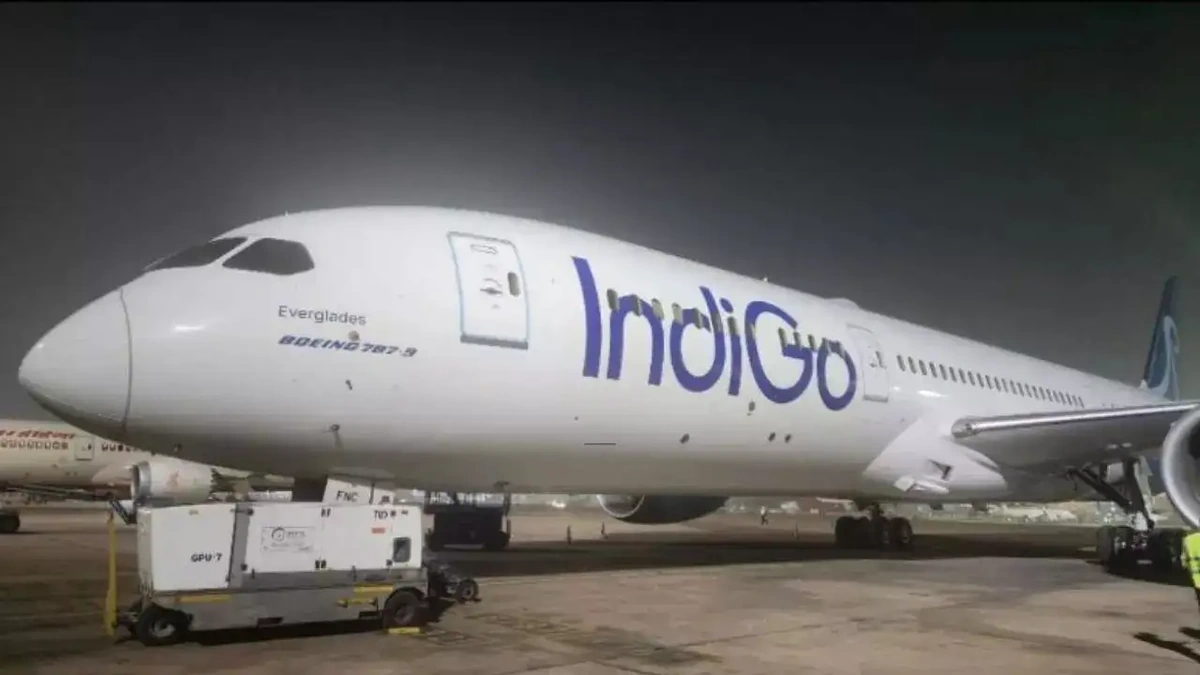
Let’s be honest, most of us just want affordable flights. This massive investment suggests that IndiGo is betting big on continued growth in the Indian aviation sector. And that usually translates to more routes, more competition, and hopefully, cheaper tickets down the line. This isn’t just about numbers; it’s about accessibility. Think about it: more people flying means more opportunities for tourism, business, and connecting with loved ones. The ripple effect of this investment could be huge. You might find yourself planning that Goa trip you’ve been putting off for years because, suddenly, the flight is within budget. More money in aviationfuels the market competitiveness.
Decoding the Investment | More Than Just New Planes
Okay, so ₹7,294 crore is a lot of money. But where exactly is it going? Well, it’s not just about buying the planes themselves. It also includes things like training pilots, maintaining the aircraft, and all the behind-the-scenes stuff that keeps IndiGo running smoothly. And here’s where it gets really interesting. These new aircraft are likely more fuel-efficient and technologically advanced than the older ones. That means lower operating costs for IndiGo , which could translate to lower fares for us passengers. Let me rephrase that for clarity: a more efficient fleet helps IndiGo manage expenses, potentially leading to more affordable ticket prices. As per the guidelines mentioned in the information bulletin by the Ministry of Civil Aviation, the airline must keep fares competitive.
The Long-Term Strategy | IndiGo’s Master Plan Unveiled
What fascinates me is the long-term vision here. IndiGo isn’t just thinking about next year; they’re planning for the next decade. This investment is a clear indication that they expect the Indian aviation market to continue growing rapidly. And they want to be in the best possible position to capitalize on that growth. They’re not just buying planes; they’re buying market share. What does it mean? This includes improving customer service, expanding their network to include more international destinations, and investing in new technologies to enhance the travel experience. I initially thought this was straightforward, but then I realized it’s a calculated move to dominate the skies for years to come.
Navigating Turbulence | Challenges Ahead for IndiGo
Of course, it’s not all smooth sailing. The aviation industry is notoriously volatile. Fuel prices can spike, economic conditions can change, and new competitors can emerge. Aircraft acquisition and managing a large fleet can be a logistical nightmare. IndiGo will need to navigate these challenges carefully to ensure that its investment pays off. A common mistake I see airlines make is overextending themselves too quickly. It is important to strike a balance between growth and financial stability. But, IndiGo’s track record suggests they’re up for the challenge. The airline may also face challenges related to maintaining its market share in the face of increasing competition.
According to the latest report from the International Air Transport Association (IATA), passenger demand is expected to continue growing , with India being one of the fastest-growing markets. This bodes well for IndiGo and its ambitious expansion plans.
Fuel Efficiency and Sustainability
Modern aircraft often come with enhanced fuel efficiency and reduced emissions. What fascinates me is how IndiGo integrates sustainability considerations into its operations. As per reports, the airline is investing in modern aircraft with enhanced fuel efficiency and reduced emissions. Airlines often implement strategies to optimize flight routes, reduce weight on aircraft, and use sustainable aviation fuels.
FAQ
Frequently Asked Questions About IndiGo’s Investment
Will this investment lead to more flight options?
Potentially, yes. More aircraft usually mean more routes and increased frequency on existing routes.
Could ticket prices decrease as a result?
It’s possible. More competition and fuel-efficient aircraft could lead to lower fares, but it’s not guaranteed.
What types of aircraft are they acquiring?
Specific details aren’t always immediately available, but it will likely be a mix of Airbus A320neo family aircraft.

How will this affect IndiGo’s international routes?
This could lead to expansion into new international markets, offering more travel options for passengers. The aviation industry is growing at pace, giving a headstart to aircraft acquisition.
Is IndiGo facing any financial challenges?
Like all airlines, IndiGo faces challenges like fluctuating fuel prices and economic uncertainty, but it remains a dominant player.
What are the risks associated with a large aircraft order?
The airline might face challenges related to integration, pilot training, and maintenance of aircraft.
So, there you have it. IndiGo’s ₹7,294 crore investment is more than just a financial transaction; it’s a strategic move that could reshape the future of air travel in India. Keep an eye on those ticket prices – you might just snag a bargain.
Disclaimer: ऊपर दिए गए विचार और सिफारिशें व्यक्तिगत विश्लेषकों या ब्रोकिंग कंपनियों की हैं, न कि "Finance Ghar" की। हम निवेशकों को सलाह देते हैं कि किसी भी निवेश निर्णय लेने से पहले प्रमाणित विशेषज्ञों से परामर्श करें। निवेश में जोखिम होता है और सही जानकारी के बिना निर्णय लेना हानिकारक हो सकता है।