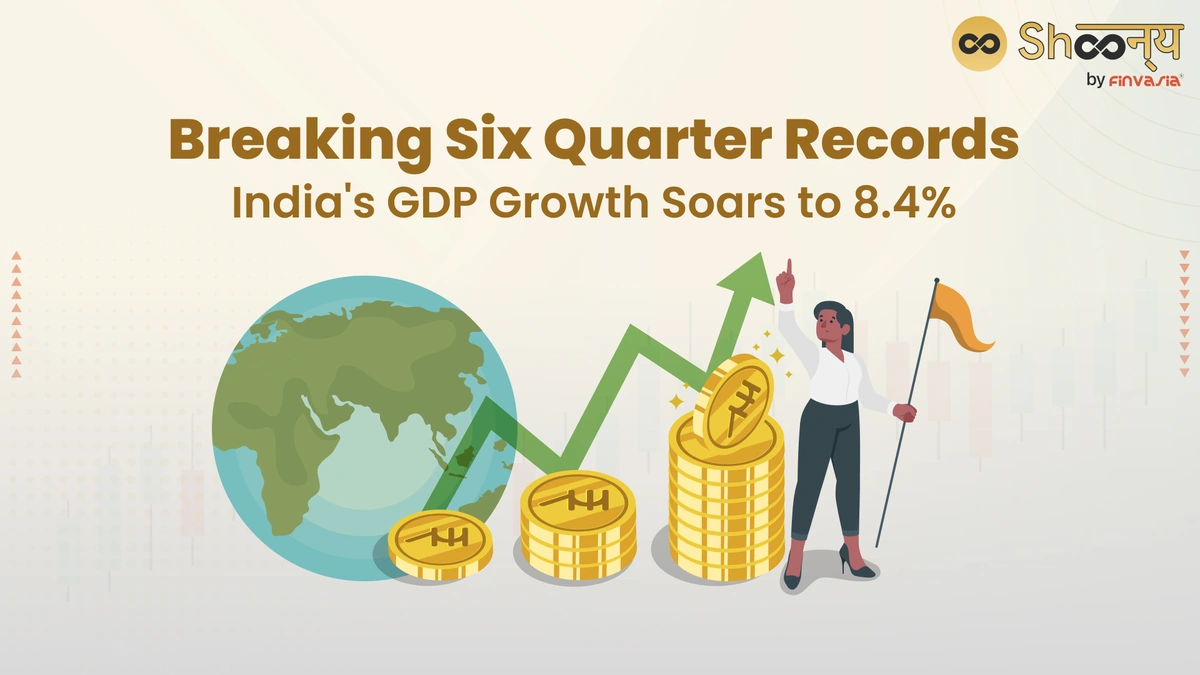
Okay, so S&P has decided to stick with its 6.5% GDP growth forecast for India in FY26. And, adding a little cherry on top, they’ve also given us a sneak peek at their FY27 target. Now, you might be thinking, “Alright, cool. Numbers are numbers.” But here’s the thing: these numbers aren’t just plucked out of thin air. They are a glimpse into India’s economic future.
Why S&P’s Forecast Matters – The Real Deal
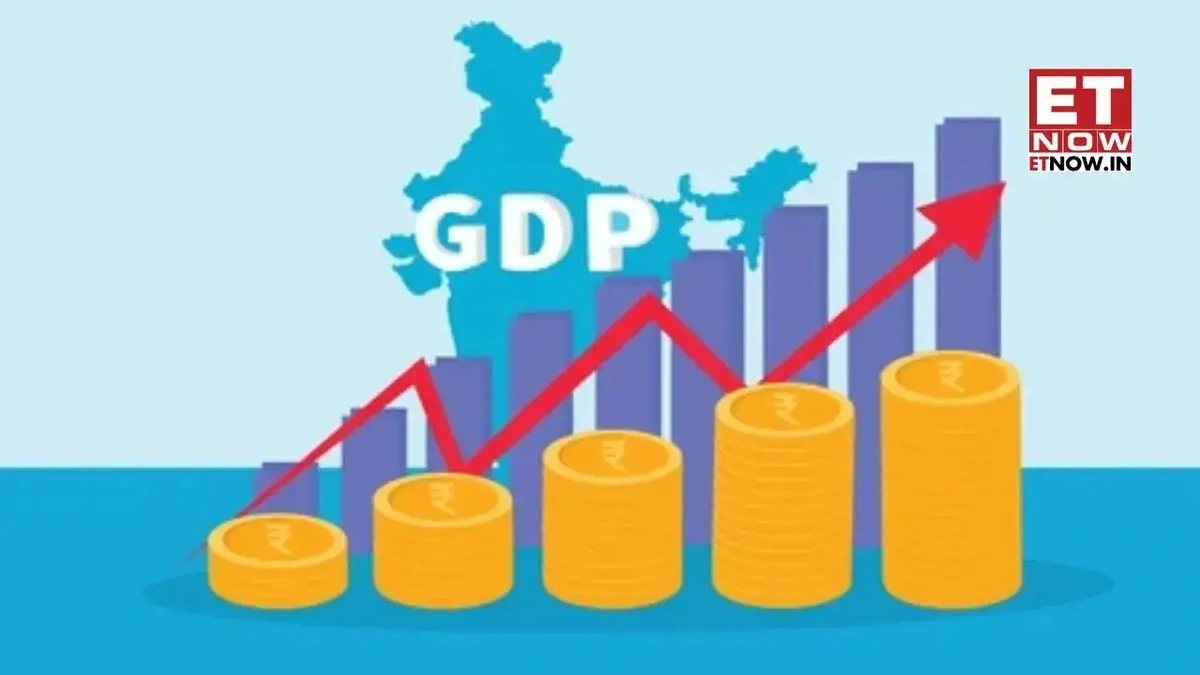
Let’s be honest – economic forecasts can feel a bit like weather predictions; sometimes they’re spot-on, sometimes…not so much. But S&P isn’t just any random guy with a spreadsheet. It’s a globally respected ratings agency. What fascinates me is the fact that they have teams of economists poring over data, analyzing trends, and essentially trying to read the economic tea leaves. Their forecast is a big deal for a few key reasons.
First, investor confidence . Big institutional investors, both domestic and international, pay close attention to these forecasts. A stable forecast from S&P can reassure investors that India is still a good bet. That means more investment flowing in, which in turn fuels economic growth. India’s sustained growth is pivotal in attracting foreign investments and boosting economic activity.
Second, it influences policy decisions. The government and the Reserve Bank of India (RBI) use these forecasts to make informed decisions about fiscal and monetary policy. If S&P is optimistic, it might give the government more leeway to spend on infrastructure or social programs. The government’s fiscal policies are often aligned with these growth projections.
Third, it impacts market sentiment. Stock markets react to economic news, and S&P’s forecast is definitely news. A positive outlook can drive up stock prices, boosting the wealth of investors and creating a sense of optimism. A positive sentiment often translates to increased consumer spending and investments. You can read more business news at FinanceSpiral .
Decoding the 6.5% – What’s Behind the Numbers?
Okay, so 6.5%… what does it even mean? Well, it’s a measure of how much India’s economy is expected to grow in a year. But to understand if that’s good, bad, or just meh, we need some context. This target reflects a nuanced understanding of India’s diverse economic drivers.
Historically, India’s GDP growth has been a bit of a rollercoaster. We’ve had years of scorching growth, followed by periods of slowdown. The 6.5% forecast suggests a period of sustained, moderate growth. That’s actually a good thing. Explosive growth can lead to bubbles and instability. Sustainable growth is what we want – the kind that creates jobs, improves living standards, and builds a solid foundation for the future.
And what’s driving this growth? Several factors are at play. Infrastructure development is a big one. The government has been investing heavily in roads, railways, and ports, which are essential for moving goods and people around the country. The boost in infrastructure projects is a key factor in achieving this sustained growth.
Also, India’s demographic dividend – the fact that we have a large and young workforce – is a major advantage. A skilled and productive workforce can drive innovation and productivity. Then, there’s the rise of the middle class, which is fueling consumer demand. As more people have disposable income, they spend more, which boosts economic activity.
LSI Keywords: Economic Outlook, Financial Year Forecast, Sovereign Ratings, Growth Projections, Investment Climate, Indian Economy, GDP Growth Rate.
FY27 Target – A Glimpse into the Future
S&P also dropped a hint about their FY27 target. While they didn’t give a specific number, the fact that they’re even talking about it suggests they’re reasonably optimistic about India’s long-term prospects. Long-term economic outlook is crucial for sustained development and investments.
What factors will influence India’s economic performance in FY27? Several things could play a role. Global economic conditions, for one. If the global economy slows down, it could impact India’s exports and investment flows. As a developing economy, India is heavily influenced by global economic trends.
The other thing that could play a role is government policies. Continued reforms and investments in key sectors could help to boost growth. But policy missteps could also derail the economy. Government policy reforms play a pivotal role in the long-term economic growth.
Finally, technological innovation could be a game-changer. India has the potential to become a major hub for technology and innovation. If we can harness the power of technology, we could see a significant boost to our economic growth.
The Challenges Ahead – It’s Not All Sunshine and Rainbows
Let’s not get carried away. There are definitely challenges on the horizon. Inflation is one. Rising prices can erode consumer spending and make it harder for businesses to invest. This is especially concerning for India’s large population of middle- and low-income earners.
Another challenge is unemployment. Creating enough jobs for India’s growing workforce is a major priority. The lack of adequate job creation can stifle economic growth and lead to social unrest. This is a persistent challenge for India, especially in the face of increasing automation.
And then there are structural issues like inequality and corruption. These problems can hold back economic development and create social tensions. The need for inclusive growth is essential to address these issues.
But, to reiterate S&P are a credible source, you can check them out on Wikipedia .
LSI Keywords: Economic Risks, Inflation Rate, Unemployment Rate, Fiscal Deficit, Investment Returns, Market Volatility.
What Does This Mean for You? – The Personal Angle
So, what does all this economic mumbo-jumbo mean for you, the average Indian? Well, if the economy is growing, it generally means more opportunities. More jobs, higher incomes, and a better quality of life. A growing Indian economy presents new opportunities for individuals and businesses.

It also means more money for the government to spend on things like education, healthcare, and infrastructure. That can lead to better services and a more prosperous society. Government investments in social infrastructure benefit every citizen.
Of course, economic growth isn’t a magic bullet. It doesn’t automatically solve all our problems. But it does create a more favorable environment for progress. So, while we may not all be economists, we all have a stake in India’s economic future. You may be interested in today’s trending stocks .
Ultimately, S&P retaining India’s growth forecast is more than just a number. It’s a sign of confidence in India’s potential. It’s a reminder that we’re on the right track. And it’s an invitation to all of us to play our part in building a better future. The country’s economic trajectory is something everyone should keep an eye on.
FAQ Section
Frequently Asked Questions
What does GDP growth actually mean?
GDP growth is the percentage increase in the value of the goods and services a country produces. It’s a key indicator of economic health.
How reliable are S&P’s forecasts?
S&P is a reputable agency, but forecasts are never 100% accurate. They provide a valuable perspective but should be considered alongside other sources.
What could cause India’s GDP growth to be lower than forecast?
Global economic slowdown, high inflation, policy missteps, and unforeseen events can all impact growth.
How does India’s GDP growth compare to other countries?
India’s growth rate is among the highest in the world, but comparisons vary depending on the specific year and country.
Where can I find more information about India’s economy?
The Reserve Bank of India (RBI) website and the Ministry of Finance website are good sources for official data and analysis.
Will this growth actually affect my day-to-day life?
Indirectly, yes. A growing economy generally leads to more job opportunities, better infrastructure, and improved services.
Disclaimer: ऊपर दिए गए विचार और सिफारिशें व्यक्तिगत विश्लेषकों या ब्रोकिंग कंपनियों की हैं, न कि "Finance Ghar" की। हम निवेशकों को सलाह देते हैं कि किसी भी निवेश निर्णय लेने से पहले प्रमाणित विशेषज्ञों से परामर्श करें। निवेश में जोखिम होता है और सही जानकारी के बिना निर्णय लेना हानिकारक हो सकता है।