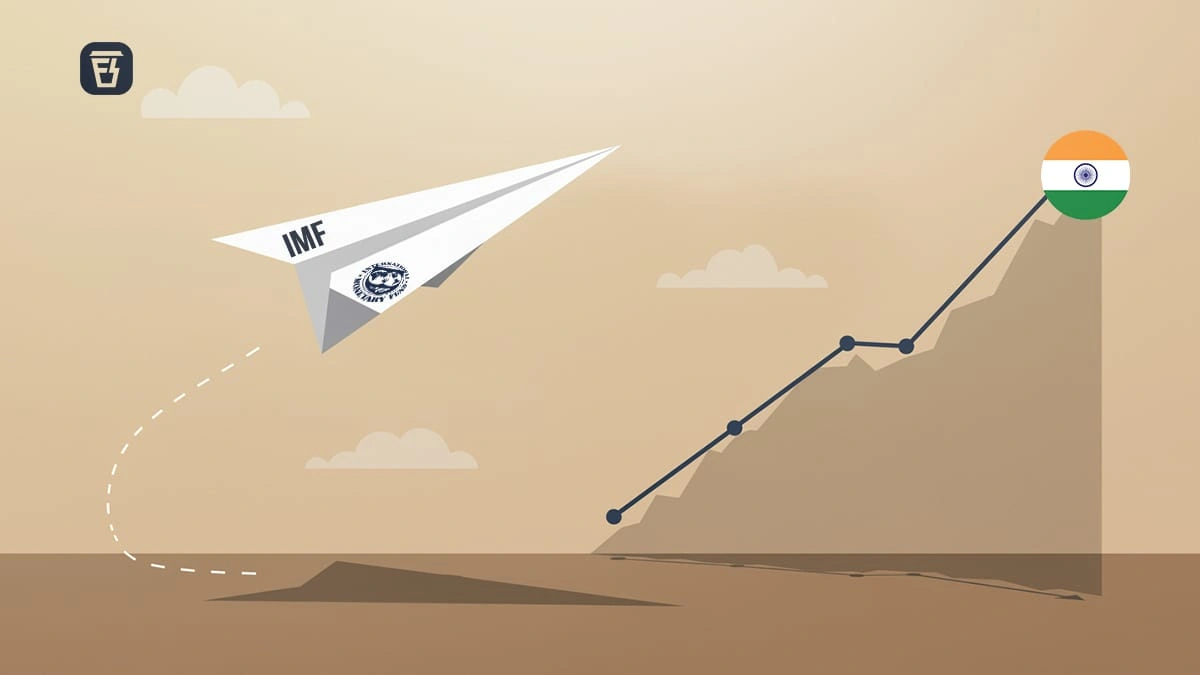
India’s economy is a hot topic right now, especially with the buzz around the latest growth figures. We’re hearing about an 8.2% surge, and while that sounds fantastic on the surface, let’s be honest – the devil’s in the details. What fascinates me is understanding what this number really means for the average person, for the small business owner, for the future of our country. It’s not just about GDP; it’s about India’s economic reality .
The ‘Why’ Behind the Numbers | More Than Meets the Eye
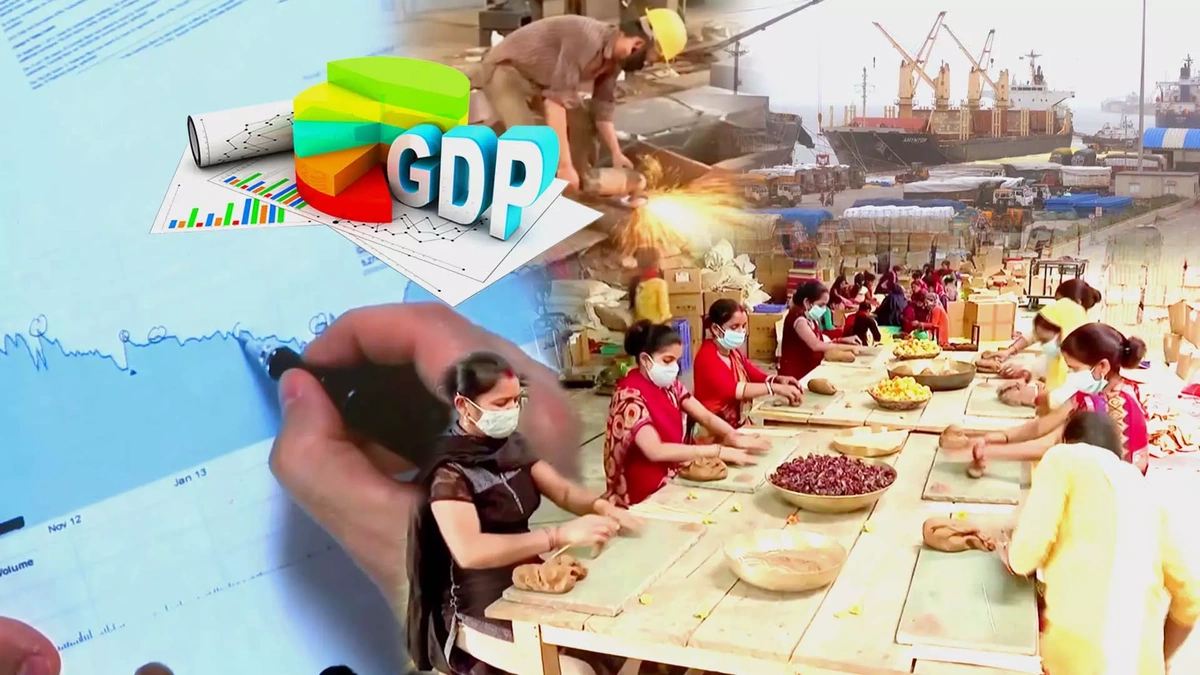
Here’s the thing: growth figures can be deceptive. An 8.2% growth rate definitely grabs headlines, but it’s crucial to understand what’s driving it. Is it sustainable? Is it benefiting everyone? Or is it concentrated in certain sectors, leaving others behind?
Often, these numbers are compared to the previous year’s performance. Consider the base effect. If the previous year saw a significant slump (like during the pandemic), even a moderate recovery can appear as a massive jump in percentage terms. It’s like saying you’ve made a huge leap because you climbed out of a hole – technically true, but it doesn’t necessarily mean you’re on solid ground.
Furthermore, the distribution of this growth is critical. Are we seeing job creation across various sectors? Are wages keeping pace with inflation? If the growth is primarily driven by, say, the tech sector while agriculture struggles, it paints a very different picture. We need to look beyond the headline number and examine the underlying trends and disparities. It’s not enough to know that the economy is growing; we need to understand who is benefiting and how. According to the World Bank , inclusive growth is key to long-term stability.
Let me rephrase that for clarity: a high growth rate alone isn’t a guarantee of prosperity for all. We need to see broad-based improvements in living standards, employment opportunities, and social well-being. Otherwise, we risk widening the gap between the rich and the poor, leading to social unrest and instability. We need to ask deeper questions about economic indicators and their impact.
Digging Deeper | Sectoral Analysis and the Fine Print
The Indian economy is vast and diverse, and each sector contributes differently to overall growth. Analyzing sectoral performance provides a more nuanced understanding of India’s GDP growth . For instance, strong performance in manufacturing or services can indicate a healthy economy, while a struggling agricultural sector can raise concerns about rural livelihoods and food security.
The financial services sector, a key driver, is under pressure. And , Vodafone Idea AGR Dues are a constant source of worry.
What fascinates me is how different sectors are interconnected. A slowdown in one sector can have ripple effects across the entire economy. For example, a decline in infrastructure spending can impact construction, manufacturing, and transportation, leading to a broader economic slowdown. Therefore, a comprehensive sectoral analysis is essential for understanding the true nature of economic growth.
Another critical aspect is understanding the government’s role. Government policies, investments, and reforms can significantly influence economic growth. Are these policies effective? Are they creating a conducive environment for businesses to thrive? Are they addressing the challenges faced by different sectors? A common mistake I see people make is taking government pronouncements at face value. It’s crucial to critically evaluate these policies and assess their actual impact on the ground. Examining fiscal policy is just as important as looking at growth numbers.
The ‘How’ of Sustainable Growth | A Path Forward
So, how do we ensure that this growth is sustainable and inclusive? What are the practical steps we can take to address the challenges and ensure that everyone benefits? The answer, I believe, lies in a multi-pronged approach that focuses on long-term development, not just short-term gains.
First and foremost, we need to invest in education and skill development. A skilled workforce is essential for driving innovation, productivity, and economic competitiveness. We need to equip our young people with the knowledge and skills they need to succeed in the 21st-century economy. This includes not only formal education but also vocational training and lifelong learning opportunities.
Secondly, we need to promote entrepreneurship and innovation. Small businesses and startups are the engines of job creation and economic growth. We need to create an environment that encourages entrepreneurship, reduces regulatory burdens, and provides access to funding and mentorship. Looking at Interglobe Aviation Funding provides an interesting comparison point.
Thirdly, we need to strengthen our infrastructure. Reliable infrastructure is essential for facilitating trade, investment, and economic activity. We need to invest in roads, railways, ports, airports, and energy infrastructure to support economic growth and improve connectivity. Fourthly, we need to promote sustainable development. Economic growth should not come at the expense of the environment or future generations. We need to adopt sustainable practices in agriculture, industry, and energy to ensure that our economic growth is environmentally responsible.
Finally, we need to promote good governance and transparency. Corruption and lack of transparency can undermine economic growth and deter investment. We need to strengthen our institutions, promote accountability, and ensure that government policies are fair and transparent.
Addressing the Concerns | Job Creation and Income Inequality
One of the biggest concerns surrounding India’s economic growth is the lack of job creation. While the economy may be growing, many people are still struggling to find decent employment. This is particularly true for young people entering the workforce. A key metric is employment rate and whether growth is translating into more and better paying jobs.
Another major concern is income inequality. The gap between the rich and the poor is widening, and many people are being left behind. This can lead to social unrest and instability. The Gini coefficient, a measure of income inequality, provides insights into this disparity.
Addressing these concerns requires a concerted effort from the government, businesses, and civil society. We need to create policies that promote job creation, skill development, and entrepreneurship. We also need to address income inequality through progressive taxation, social safety nets, and investments in education and healthcare.
India’s Economic Future | A Call to Action
India’s economic growth has the potential to transform the country and improve the lives of millions of people. But realizing this potential requires a collective effort. We need to move beyond the headline numbers and understand the underlying realities. We need to address the challenges and ensure that growth is sustainable, inclusive, and equitable.
This is not just the responsibility of the government or businesses. Each and every one of us has a role to play. We need to be informed, engaged, and proactive. We need to demand accountability from our leaders and hold them responsible for their actions. We need to support businesses that are ethical, sustainable, and socially responsible.
Let’s be honest – the journey ahead will not be easy. There will be challenges, setbacks, and moments of doubt. But I remain optimistic about India’s economic future. We have the potential, the resources, and the talent to build a prosperous and equitable society. It is time for action now and economic reforms that benefit all. What we need to do is harness those resources to improve infrastructure.

FAQ | Decoding India’s Growth Story
What does an 8.2% growth rate really mean for the average Indian?
It could mean more jobs, higher incomes, and better living standards. However, it depends on whether the growth is inclusive and benefits all sectors and segments of society.
How is India’s GDP calculated, and what are its limitations?
India’s GDP is calculated using a combination of production, expenditure, and income methods. Limitations include the exclusion of the informal sector and difficulties in accurately measuring certain services.
What are the key sectors driving India’s current economic growth?
Currently, manufacturing, services (especially IT), and construction are significant contributors. However, agriculture, vital for rural livelihoods, often lags behind.
What are the major challenges to sustaining India’s economic growth?
Key challenges include infrastructure deficits, income inequality, unemployment, and environmental sustainability. Addressing these is vital for long-term prosperity and sustainable development .
How can India ensure that economic growth benefits all sections of society?
By focusing on job creation, skill development, social safety nets, and investments in education and healthcare, targeting vulnerable populations.
Is India a developing nation or not?
India is a developing nation and has been experiencing significant growth but faces ongoing challenges related to poverty reduction, infrastructure development and human capital improvement.
So, next time you hear about India’s economic growth, remember to dig deeper. Don’t just accept the headline number at face value. Ask questions, seek out different perspectives, and demand accountability. Only then can we truly understand the hidden realities and work towards a more prosperous and equitable future for all. Let’s start by focusing on India’s economic reality and move forward towards prosperity.
Disclaimer: ऊपर दिए गए विचार और सिफारिशें व्यक्तिगत विश्लेषकों या ब्रोकिंग कंपनियों की हैं, न कि "Finance Ghar" की। हम निवेशकों को सलाह देते हैं कि किसी भी निवेश निर्णय लेने से पहले प्रमाणित विशेषज्ञों से परामर्श करें। निवेश में जोखिम होता है और सही जानकारी के बिना निर्णय लेना हानिकारक हो सकता है।