Okay, so the news is out: an Indian agency has seized assets worth a whopping $351 million from the Anil Ambani Group . But here’s the thing – what really does this mean for the average Indian investor, for the economy, and for the future of corporate debt in India? Let’s dive deep, shall we?
The ‘Why’ Behind the Seizure | More Than Just Numbers
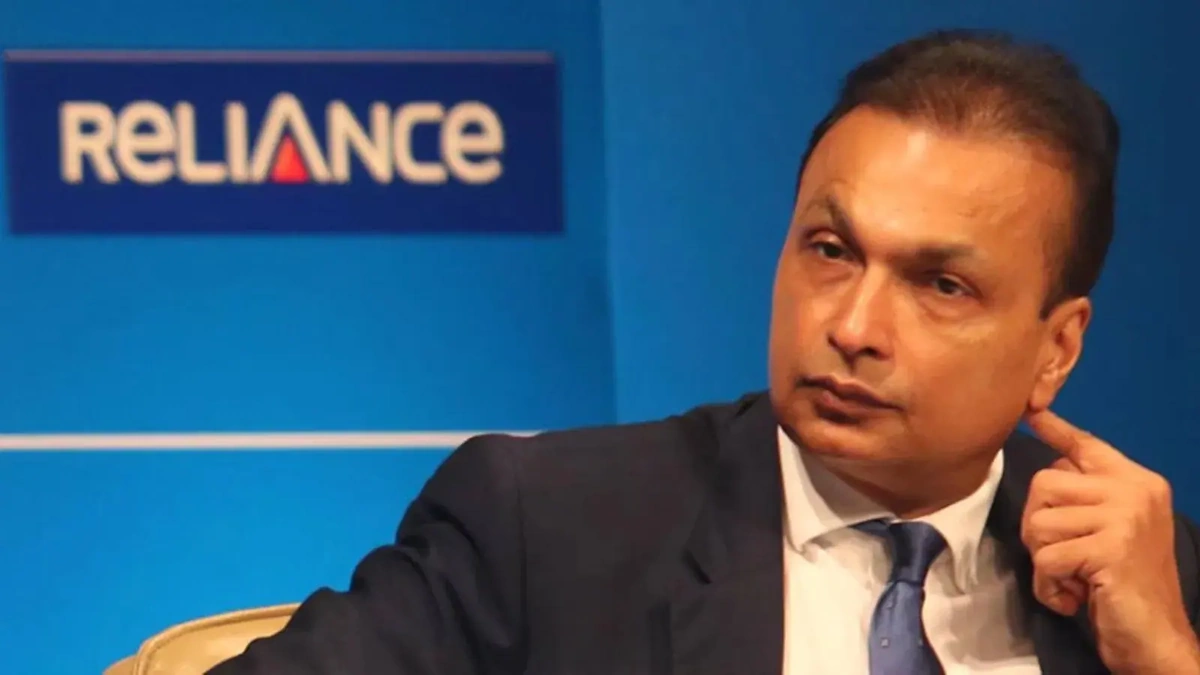
It’s easy to get lost in the sheer size of the number – $351 million is not pocket change. But to truly understand the gravity of this situation, we need to understand why this happened. This isn’t just about one company’s misfortune. It’s a stark reminder of the challenges surrounding corporate debt and the responsibility that comes with managing vast sums of money. Think of it as a warning sign flashing brightly for other businesses and investors alike. Understanding the implications for Indian financial institutions is key. Because, let’s be honest, a seizure of this magnitude doesn’t happen overnight. This has been a long time coming, a culmination of factors that have put the Anil Ambani Group under increasing scrutiny.
The Enforcement Directorate (ED) has been investigating allegations of money laundering against the group, specifically related to funds borrowed from various banks.Reports suggestthat these funds were allegedly diverted and used for purposes other than those for which they were borrowed. The seizure is a direct result of these investigations and a move to recover some of the outstanding debts.
And, it all comes down to trust, doesn’t it? When big corporations borrow money, there’s an implied trust that they’ll use it responsibly and repay it. When that trust is broken, it has ripple effects throughout the entire financial system.
The Ripple Effect | Who Else Feels the Pinch?
So, the Anil Ambani Group is directly affected, no surprise there. But who else is feeling the heat? First and foremost, the banks that lent money to the group. These banks now face the prospect of recovering significantly less than they initially anticipated. This could impact their profitability and, in turn, affect their ability to lend to other businesses.
Then there are the investors. Shareholders in Anil Ambani Group companies have already seen their investments erode significantly over the years. This seizure only adds to their woes, creating even more uncertainty about the future of these companies. Understanding the impact on investors is really critical.
But it doesn’t stop there. The seizure also sends a message to the broader corporate world. It demonstrates that Indian agencies are serious about cracking down on financial irregularities and holding businesses accountable for their actions. This can lead to increased scrutiny of other companies and a greater emphasis on corporate governance.
What’s Next? Navigating the Aftermath
Here’s where things get interesting. What happens to the seized assets? The ED will likely seek to auction off these assets to recover the outstanding debts. This process could take time, and there’s no guarantee that the assets will fetch their full value. The auction process details matter.
For the Anil Ambani Group, the seizure represents a significant setback. The group has been struggling with debt for years, and this latest development only compounds its problems. It remains to be seen whether the group can recover from this and chart a new course for the future.
But, the real question is: what lessons can be learned from this situation? How can we prevent similar incidents from happening in the future? This is where stricter regulations, enhanced due diligence by banks, and a greater focus on corporate ethics come into play.
Also, this brings up the crucial point of risk management in investment. Diversifying your portfolio is paramount. Don’t put all your eggs in one basket, especially when dealing with companies that have a high debt burden.
The government has been pushing for reforms to improve corporate governance and reduce the risk of financial irregularities. Measures like the Insolvency and Bankruptcy Code (IBC) are designed to provide a framework for resolving corporate debt issues in a timely and efficient manner. These are crucial steps in the right direction, but more needs to be done. You can also research about corporate governance reforms .
Consider this alongside dividend stocks and other investment strategies, to build a robust portfolio.
The Long View | Implications for the Indian Economy
Ultimately, the seizure of Anil Ambani Group assets has broader implications for the Indian economy. It serves as a reminder that financial stability is not something to be taken for granted. It requires constant vigilance, strong regulatory oversight, and a commitment to ethical business practices. The economic stability impact can’t be ignored.
The incident could also impact investor confidence, at least in the short term. Investors may become more cautious about investing in companies with high debt levels or perceived governance risks. However, in the long run, this could lead to a more disciplined and sustainable investment environment.
And here’s a final thought: Transparency is key. Companies need to be more transparent about their financial dealings, and regulators need to be more proactive in detecting and preventing financial irregularities. Only then can we build a truly resilient and trustworthy financial system.
It’s a complex situation, no doubt. But by understanding the ‘why’ behind the seizure and its potential consequences, we can all make more informed decisions and contribute to a more stable and prosperous future for India.
Don’t forget to do your due diligence before investing. Check out RBI monetary policy and other financial metrics to help you make a sound decision.

FAQ Section
What exactly were the assets seized?
The seized assets reportedly include land, buildings, and other properties owned by the Anil Ambani Group.
What happens to the seized assets now?
The Enforcement Directorate (ED) will likely auction off these assets to recover outstanding debts.
How does this affect small investors?
It creates uncertainty and could further erode the value of investments in Anil Ambani Group companies. Diversifying investments is essential.
Is this likely to happen to other companies?
It depends. Companies with high debt levels and poor corporate governance are at higher risk. The regulatory landscape is continually evolving.
What is the role of the Enforcement Directorate (ED)?
The ED is responsible for investigating financial crimes and enforcing regulations related to money laundering and foreign exchange violations.
Where can I learn more about corporate governance in India?
You can find information on the websites of the Securities and Exchange Board of India (SEBI) and the Ministry of Corporate Affairs.
Disclaimer: ऊपर दिए गए विचार और सिफारिशें व्यक्तिगत विश्लेषकों या ब्रोकिंग कंपनियों की हैं, न कि "Finance Ghar" की। हम निवेशकों को सलाह देते हैं कि किसी भी निवेश निर्णय लेने से पहले प्रमाणित विशेषज्ञों से परामर्श करें। निवेश में जोखिम होता है और सही जानकारी के बिना निर्णय लेना हानिकारक हो सकता है।