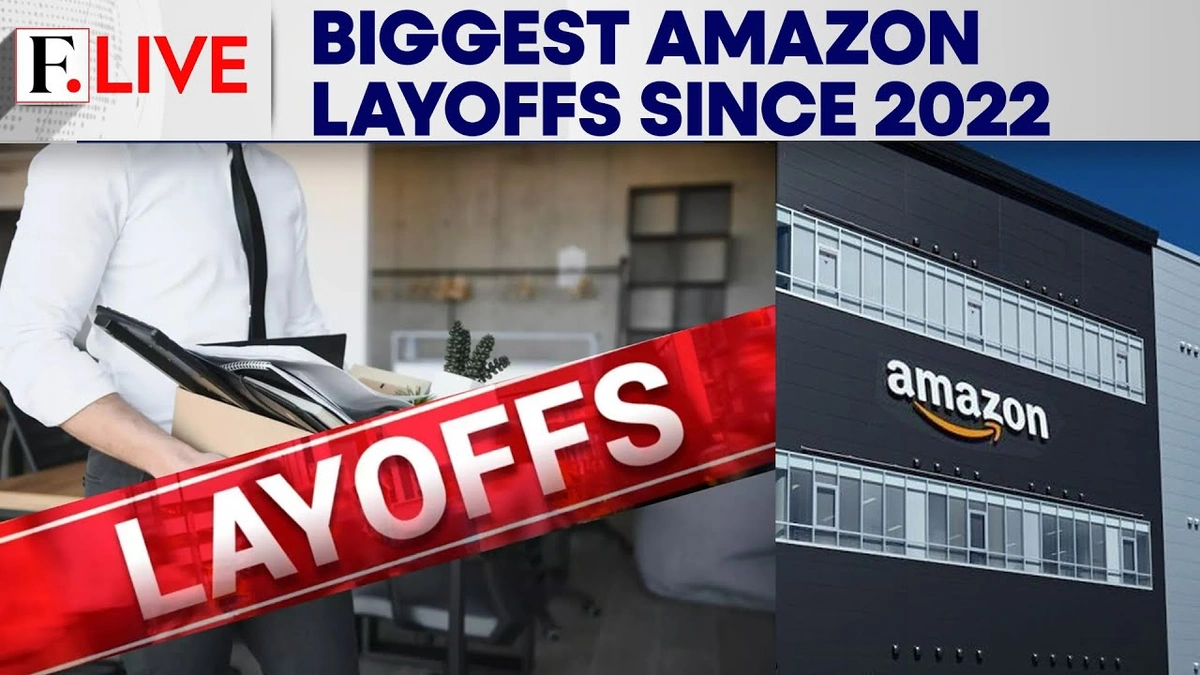
The news of Amazon layoffs has been swirling for a while now, hasn’t it? But here’s the thing: numbers and percentages can feel…distant. What really matters is the human story behind those figures. And that’s exactly what this article is about. We’re not just going to tell you how many people lost their jobs at Amazon; we’re diving into which specific role bore the brunt of these cuts and, more importantly, why.
The Role in the Crosshairs | Let’s Talk About It

So, which area faced the most significant impact? While Amazon’s cuts spanned various departments, data suggests that roles related to human resources and recruitment experienced particularly heavy reductions. Now, before you jump to conclusions, let’s unpack this. It’s easy to assume that a company like Amazon is always in growth mode, constantly hiring. But that’s not always the case, is it? Economic downturns, shifts in strategic priorities, and the integration of AI-driven solutions can all lead to a reassessment of workforce needs.
And here’s where the human element kicks in. These aren’t just numbers on a spreadsheet; these are people – recruiters who helped build Amazon’s workforce, HR professionals who supported employees, and teams that fostered company culture. The scale of these layoffs impacts not just individual careers but also the overall talent ecosystem.
Why HR and Recruitment? Decoding the Strategy
Let’s be honest – layoffs are rarely arbitrary. There’s usually a strategic reason behind them. In the case of Amazon’s HR and recruitment departments, several factors likely contributed. Firstly, a slowdown in hiring across the tech industry meant less demand for recruitment services. Secondly, advancements in AI-powered HR tools and automation technologies may have streamlined certain processes, reducing the need for human intervention in some areas. Think about it: AI can now screen resumes, conduct initial interviews, and even assist with onboarding tasks. This increased efficiency, while beneficial for the company’s bottom line, unfortunately led to job losses.
Furthermore, periods of economic uncertainty often trigger a company-wide review of operational costs. HR and recruitment, while essential, can be viewed as support functions, making them vulnerable during cost-cutting exercises. It’s a tough reality, but one that companies often face when navigating challenging economic climates.
The Broader Implications for the Job Market
These Amazon workforce reductions aren’t just an isolated event; they reflect broader trends within the tech industry and the global economy. Other tech giants have also implemented layoffs, signaling a shift in hiring strategies and a more cautious approach to workforce management. This has a ripple effect throughout the job market, increasing competition for available positions and potentially driving down salaries in certain sectors. If you’re in the job market, it’s more important than ever to hone your skills, network effectively, and stand out from the crowd.

But it’s not all doom and gloom. While some roles may be shrinking, others are emerging. The rise of artificial intelligence, cloud computing, and cybersecurity, for example, is creating new opportunities for skilled professionals. The key is to adapt, learn new skills, and position yourself for the jobs of the future.
What Can You Learn From This? Skills & Adaptability
So, what’s the takeaway from all this? Well, for one, it reinforces the importance of adaptability. The job market is constantly evolving, and the skills that are in demand today may not be the same tomorrow. Continuous learning and upskilling are essential for staying relevant and competitive. Consider this example, theimportance of adaptability. Secondly, it highlights the need to diversify your skill set. Relying solely on one area of expertise can make you vulnerable to job losses during periods of economic downturn or technological disruption.
And finally, it underscores the importance of understanding the broader forces shaping the economy and the job market. By staying informed about industry trends, technological advancements, and economic indicators, you can better anticipate changes and position yourself for long-term success. Navigating the changing job landscape requires you to be proactive, informed, and adaptable.
Data showing Amazon layoffs impacting HR is more than just a headline; it’s a case study in how economic forces, technological advancements, and strategic decisions can impact real people and their careers. It’s a reminder of the importance of being adaptable, proactive, and continuously learning in today’s ever-changing job market. Stay informed, stay resilient, and keep pushing forward.
FAQ About Amazon Layoffs
What specific departments were most affected by the Amazon layoffs?
While layoffs spanned multiple departments, HR and recruitment roles saw significant reductions.
Why did Amazon choose to lay off so many employees?
Factors included a slowdown in hiring, automation through AI-powered HR tools , and economic uncertainty.

What are the broader implications of these layoffs for the job market?
Increased competition and potential salary reductions in some sectors, but new opportunities are also emerging.
How can I adapt to the changing job landscape?
Focus on continuous learning, upskilling, and diversifying your skill set.
Are other tech companies also implementing layoffs?
Yes, many tech companies are adopting a more cautious approach to workforce management.
Where can I find more information about Amazon’s layoff strategy?
Refer to official press releases and reports from reputable financial news outlets.
Disclaimer: ऊपर दिए गए विचार और सिफारिशें व्यक्तिगत विश्लेषकों या ब्रोकिंग कंपनियों की हैं, न कि "Finance Ghar" की। हम निवेशकों को सलाह देते हैं कि किसी भी निवेश निर्णय लेने से पहले प्रमाणित विशेषज्ञों से परामर्श करें। निवेश में जोखिम होता है और सही जानकारी के बिना निर्णय लेना हानिकारक हो सकता है।