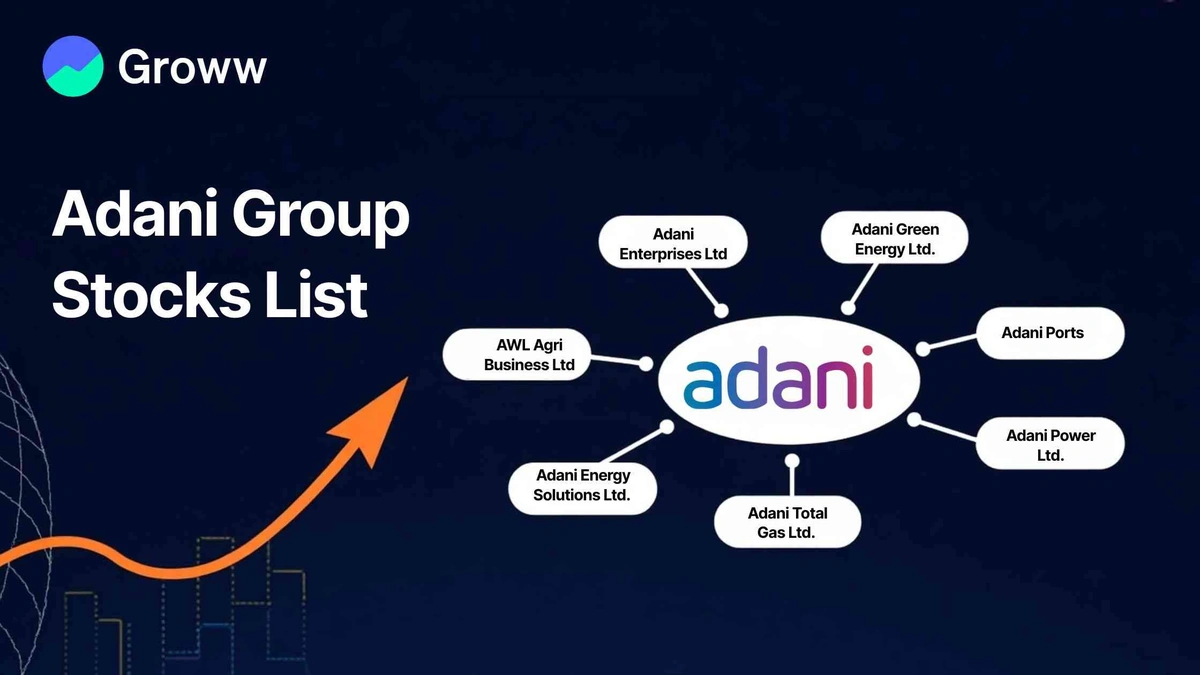
So, the news is out: the Adani Group has finalized its exit from Adani Wilmar’s (AWL) agri business with a 7% stake sale. And, as expected, the markets reacted – a 3.7% dip in shares thanks to those block trades. But, here’s the thing: while the headlines scream ‘sale’ and ‘drop,’ let’s dig a little deeper, shall we? What really went down, and more importantly, why should you, sitting in your chai-sipping spot in India, even care?
Why the Adani-AWL Divorce Matters

Let’s be honest – on the surface, a company selling off a part of its stake isn’t exactly earth-shattering. But, when it involves a behemoth like the Adani Group , the implications ripple far beyond just the stock price. It’s about strategy, market confidence, and the ever-shifting landscape of India’s business giants.
The “why” here is multifaceted. First, consider Adani Wilmar itself. AWL isn’t just another FMCG company; it’s a joint venture with Wilmar International, a Singapore-based agri-business giant. Think Fortune Oil, various packaged foods – AWL is everywhere. According to reports, the stake sale will allow Adani to focus on other core business activities. But here’s where it gets interesting.
Secondly, the timing is crucial. India’s agri-business sector is undergoing significant transformation. From government policies to changing consumer preferences (hello, healthier eating!), companies are constantly re-evaluating their portfolios. Was this a strategic move to realign with these changing dynamics? Potentially.
And, let’s not ignore the market sentiment. The Adani Group has been under intense scrutiny. Any major financial move is bound to be dissected and debated. This AWL agri exit is no exception. The drop in share price is almost certainly temporary, and not indicative of long-term value.
Decoding the Block Trades | Not as Scary as They Sound
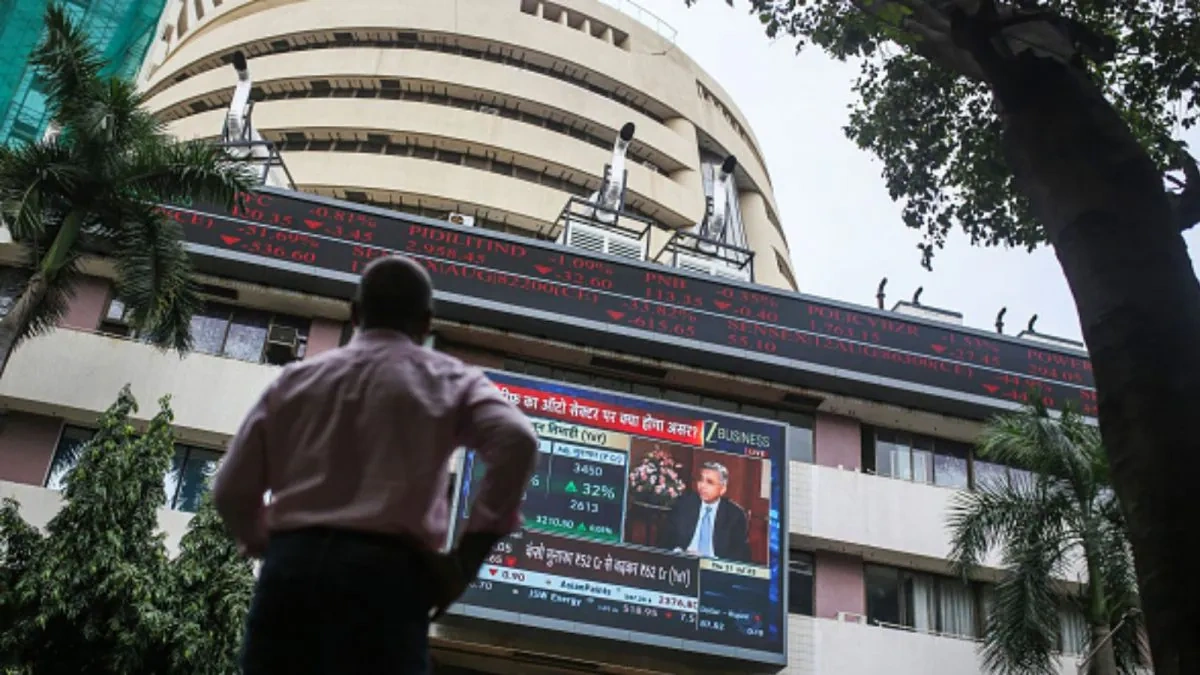
That 3.7% drop – the one plastered across every news ticker – is largely attributed to ‘block trades’. What are block trades, you ask? These are large-volume transactions, typically executed outside of the regular market hours. Institutional investors often use them to buy or sell significant chunks of shares without causing massive price swings. So, while it sounds dramatic, it’s often a planned and controlled activity.
However – and this is crucial – block trades can sometimes signal a shift in institutional investor sentiment. Are they pulling back? Are they rebalancing their portfolios? Or, is it simply a case of profit-booking after a good run? It’s impossible to say for sure without insider information (which, let’s be clear, is illegal to act upon!). But, understanding the mechanics of block trades is essential for putting the share price dip into perspective. A common mistake I see people make is assuming that a stock dip during trade hours is cause for concern, but understanding block trades is the key to identifying the actual reason.
The Investor’s Dilemma | Panic or Patience?
Okay, so you’re an investor – maybe you hold AWL shares, maybe you’re considering buying in. What do you do with this news? Here’s my take, based on experience (not financial advice, folks!): Don’t panic.
Share price fluctuations are par for the course in the stock market. A single event, like this stake sale, rarely tells the whole story. Instead, zoom out and look at the bigger picture. What’s AWL’s overall performance? How’s the agri-business sector doing in general? What are the long-term growth prospects?
If you’re a long-term investor, this dip might even present a buying opportunity (again, do your own research!). If you’re a short-term trader, well, you’re probably already reacting to the news. But for the average Indian investor, patience and a well-informed perspective are your best friends.
Looking Ahead | Adani’s Next Move
What fascinates me is what the Adani Group will do next. This AWL agri exit frees up capital and resources. Will they reinvest in other areas of AWL? Will they explore new ventures within the broader Adani empire? Knowing their track record, they probably have something big in the pipeline.
The group’s recent focus on renewable energy is particularly noteworthy. Could this exit signal a further shift towards green initiatives? Only time will tell. But, one thing’s for sure: the Adani Group isn’t one to sit still. They are constantly evolving, adapting, and making moves that shape the Indian business landscape.
So, next time you see a headline about a stake sale or a share price drop, remember to look beyond the numbers. Understand the ‘why’, consider the context, and always, always do your own research. And if you’re ever looking to improve your personal finance knowledge, consider dividend stocks.
FAQ | Your Quick Guide to the AWL Agri Exit
Why did Adani Group sell its stake in AWL agri business?
Likely a strategic decision to realign with changing market dynamics and focus on other core business activities.

Is the share price drop a cause for concern?
Not necessarily. It’s largely attributed to block trades and could be temporary. Long-term investors should focus on the overall performance of AWL.
What are block trades?
Large-volume transactions, typically executed outside regular market hours, often by institutional investors.
Will this affect Adani Wilmar’s products or services?
Unlikely in the immediate future. AWL remains a major player in the FMCG and agri-business sectors.
Where can I find more information about AWL’s performance?
Check their official website and financial reports for detailed information.
Is this a good time to invest in Adani Wilmar?
That depends on your individual investment strategy and risk tolerance. Always do your own research and consult with a financial advisor.
Disclaimer: ऊपर दिए गए विचार और सिफारिशें व्यक्तिगत विश्लेषकों या ब्रोकिंग कंपनियों की हैं, न कि "Finance Ghar" की। हम निवेशकों को सलाह देते हैं कि किसी भी निवेश निर्णय लेने से पहले प्रमाणित विशेषज्ञों से परामर्श करें। निवेश में जोखिम होता है और सही जानकारी के बिना निर्णय लेना हानिकारक हो सकता है।