Okay, so Adani Enterprises just pulled a move that has everyone in the Indian markets talking: they’ve divested a $279 million stake in Adani Wilmar (AWL) Agri Business. Now, on the surface, this might seem like just another business deal. But here’s the thing it’s way more interesting when you dig a little deeper. What fascinates me is figuring out why Adani is making this move now . Is it a strategic shift? A realignment of assets? Or something else entirely? Let’s dive in.
Why This Divestment Matters | The Underlying Strategy
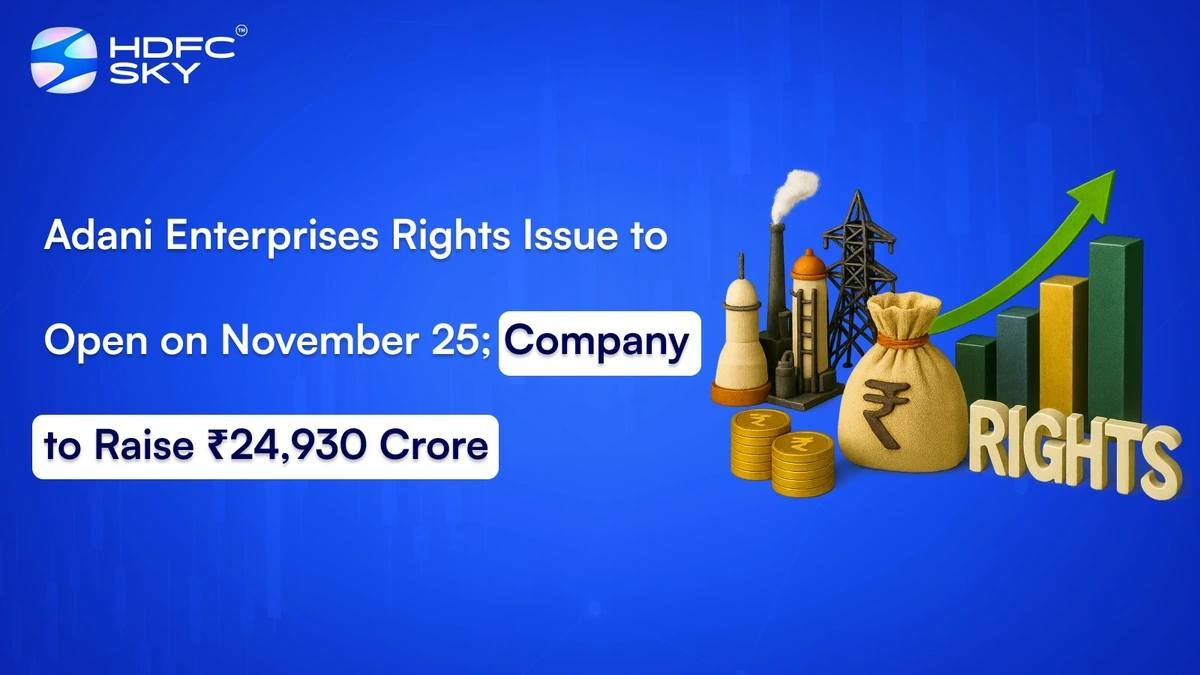
Let’s be honest: big business decisions are rarely random. They’re usually part of a larger, well-thought-out strategy. In this case, the divestment of the AWL Agri Business stake suggests a possible recalibration of Adani Enterprises’ investment portfolio. Here’s the thing: Adani Enterprises, as the group’s incubator, often nurtures businesses until they are ready to stand on their own. Could this be a sign that AWL Agri Business is considered mature enough?
Another possibility is that Adani Enterprises is freeing up capital for other ventures. They have massive plans for infrastructure and energy projects, and those require serious funding. According to reports, the group is heavily invested in green energy initiatives, and resources may be diverted to support these ambitious projects. The timing aligns with Adani’s stated commitment to renewable energy and sustainable development. As per the Adani Group’s official website , they are committed to investing billions in green technologies.
What initially looks like a simple divestment could actually be a strategic repositioning to focus on higher-growth sectors. I initially thought this was straightforward, but then I realized the intricate web of Adani’s business interests means every move is carefully calculated.
The Impact on Adani Wilmar (AWL) and the Agri Business
So, what does this mean for Adani Wilmar and its Agri Business segment? Well, a $279 million stake is not small change. But let’s put it in perspective. AWL Agri Business is involved in essential agricultural commodities. Divesting this stake could allow AWL to operate with greater financial independence, possibly attracting other investors or pursuing its own strategic partnerships. It’s like when your parents finally let you move out – scary, but also liberating.
The move can potentially lead to operational efficiencies within AWL. Without the direct oversight of Adani Enterprises, AWL might streamline its processes, making quicker decisions and responding more effectively to market changes. But, of course, there’s a flip side. AWL will need to demonstrate its ability to thrive independently, proving it can maintain profitability and growth without the extensive support of its parent company. This could mean increased scrutiny from investors and analysts. I’ve seen similar strategies unfold in other conglomerates , and the success hinges on AWL’s agility and market adaptability.
But , don’t forget that changes in stake can trigger fluctuations in the stock market and overall investor confidence. Investors might interpret the divestment in various ways, leading to short-term volatility. However, if AWL can demonstrate a clear and sustainable growth plan, it could attract new investors and stabilize its market position.
Navigating Market Sentiments and Future Projections
Okay, let’s talk about market sentiments. The stock market can be a fickle beast, reacting to news in unpredictable ways. News like this can create ripples, causing investors to reassess their positions. The key question is, how will the market interpret this move? Will it see it as a sign of Adani streamlining its portfolio, or will it raise concerns about the Agri Business’s future prospects?
I think the market’s reaction will largely depend on how well Adani Enterprises and Adani Wilmar communicate their strategy. Transparency is crucial. If they can clearly articulate the rationale behind the divestment and outline a compelling vision for AWL’s future, they can mitigate potential negative sentiments.
Looking ahead, the Agri Business sector in India is ripe with opportunities. With a growing population and increasing demand for agricultural products, companies that can innovate and adapt are poised for success. AWL, even without the direct financial backing of Adani Enterprises, is still a major player in this space. What fascinates me is the potential for AWL to leverage technology and sustainable practices to drive growth and profitability in the long run. The agri-tech industry is booming, and AWL could be at the forefront of this transformation.
So, where does this leave us? Adani Enterprises’ divestment is more than just a financial transaction; it’s a strategic move with potential implications for both companies and the broader market. While short-term volatility is possible, the long-term success of AWL Agri Business will depend on its ability to innovate, adapt, and capitalize on the opportunities in the evolving agricultural landscape. It’s a chess move, and we’re all watching to see what happens next.
And , in the world of business, change is the only constant. This divestment is a reminder that even the biggest players are constantly reevaluating their strategies and adapting to new realities. It’s a testament to the dynamic nature of the Indian market and the ever-present need for companies to stay agile and innovative.
Adani Group Restructuring
The Adani Group restructuring is part of a larger plan to enhance efficiency, reduce debt, and focus on core competencies. It’s a strategic effort aimed at maximizing shareholder value and ensuring long-term sustainability. Adani Enterprises, being the parent company, plays a pivotal role in this restructuring process.
A common mistake I see people make is viewing such divestments in isolation. Instead, it’s crucial to understand the broader context of the Adani Group’s strategic vision. By streamlining its operations and reallocating resources, the group aims to position itself for future growth and success. According to industry experts, this restructuring is a positive step towards strengthening the Adani Group’s financial health and operational efficiency.
So , keep an eye on how AWL and Adani Enterprises navigate this transition. Their actions in the coming months will reveal the true extent of this strategic shift and its potential impact on the Indian economy.
FAQ
Frequently Asked Questions
What exactly does “divestment” mean in this context?
Divestment means Adani Enterprises is selling a portion of its ownership (stake) in AWL Agri Business. Think of it like selling shares in a company.

Why is Adani Enterprises selling its stake?
It could be for various reasons, like reallocating capital to other projects, streamlining their portfolio, or believing AWL Agri Business is mature enough to operate independently.
Will this affect the price of Adani Wilmar products?
Not directly. The divestment is more about ownership and strategy than day-to-day operations or product pricing.
Where can I find more details about this deal?
Check reputable financial news websites and the official announcements from Adani Enterprises and Adani Wilmar.
What is the impact of Adani Wilmar share price after divestment?
Short term fluctuations are expected but long term stability is based on the potential of AWL.
How does this stake sale compare to previous stake sales by the Adani Group?
Each stake sale depends on unique factors, and it’s best to check the specific details of past transactions with current conditions for accurate comparative study.
Disclaimer: ऊपर दिए गए विचार और सिफारिशें व्यक्तिगत विश्लेषकों या ब्रोकिंग कंपनियों की हैं, न कि "Finance Ghar" की। हम निवेशकों को सलाह देते हैं कि किसी भी निवेश निर्णय लेने से पहले प्रमाणित विशेषज्ञों से परामर्श करें। निवेश में जोखिम होता है और सही जानकारी के बिना निर्णय लेना हानिकारक हो सकता है।