Alright, let’s talk numbers. India’s GDP growth just clocked in at a whopping 8.2% for the July-September quarter. That’s not just good; it’s really good. But numbers alone don’t tell the whole story, do they? This isn’t just about bragging rights; it’s about what this economic growth means for you, me, and the chaiwala down the street. So, let’s dig in. What fascinates me is the ripple effect – how this seemingly abstract figure translates into real-world changes.
The ‘Why’ | Unpacking the GDP Growth Numbers
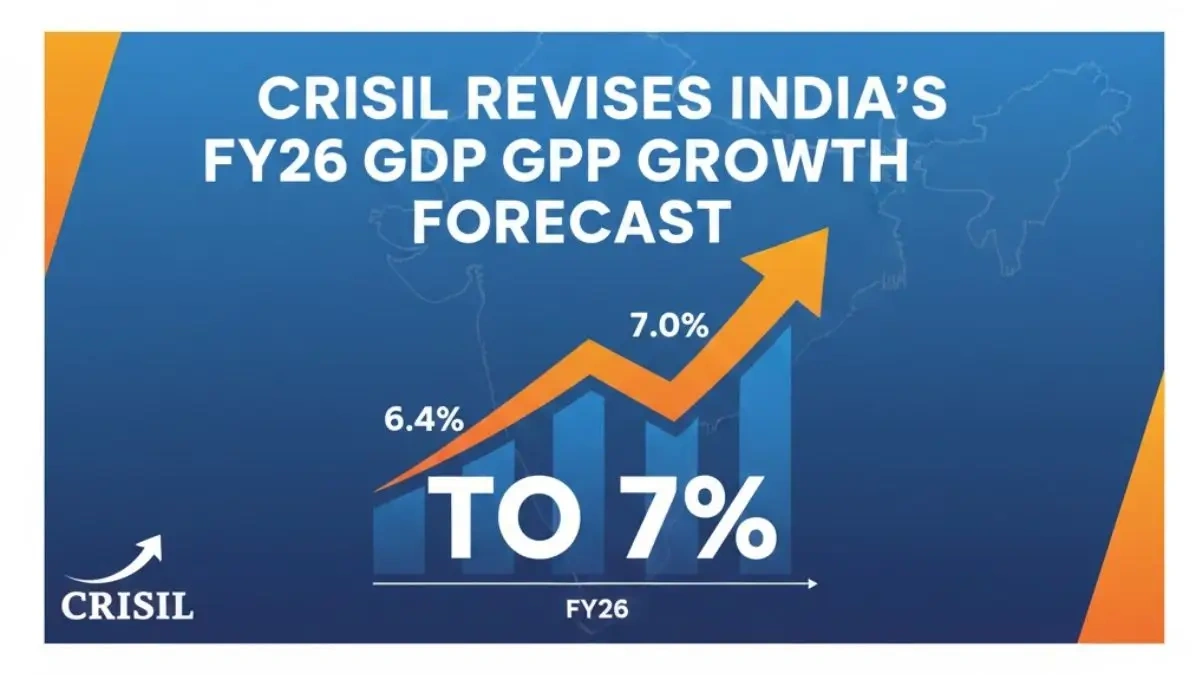
Here’s the thing: GDP (Gross Domestic Product) isn’t some magic number conjured out of thin air. It’s the sum total of all goods and services produced in India during a specific period. An 8.2% surge means more stuff is being made, more services are being offered, and, crucially, more money is changing hands. But, why this sudden jump? Several factors are at play. Increased government spending on infrastructure, a rebound in manufacturing, and a generally positive consumer sentiment have all contributed. According to a report by theWorld Bank, India’s strong domestic demand is a key driver. Think of it like this: more people buying things leads to more factories producing those things, which leads to more jobs and higher incomes, further fueling demand – a virtuous cycle, if you will.
But it’s not all sunshine and roses. We need to look at the base effect. Last year’s corresponding quarter wasn’t exactly stellar, so this jump looks even more impressive in comparison. Still, an 8.2% growth is nothing to sneeze at! Let me rephrase that for clarity: even after accounting for the base effect, this is a significant uptick.
Impact on the Common Person | More Than Just Numbers
Okay, so the economy is growing. Big deal, right? Wrong. This economic growth impacts your life in several ways. Firstly, it should lead to more job opportunities. Companies expanding their operations need more employees. Secondly, it can translate to higher wages, as companies compete for talent. But, and this is a big but, it’s not automatic. This growth needs to be inclusive. The benefits need to trickle down to the unorganized sector, to the farmers, to the small business owners. A common mistake I see is focusing solely on the headline number without looking at the distribution of wealth. Is the rising tide lifting all boats, or just the yachts?
Consider the impact on inflation. Faster GDP growth can sometimes lead to higher inflation, as increased demand pushes up prices. The Reserve Bank of India (RBI) has a tough balancing act to perform – keeping growth strong while keeping inflation in check. It’s like walking a tightrope while juggling flaming torches!
The Global Context | India’s Stand in the World
India’s economic performance isn’t happening in a vacuum. The global economy is interconnected, and what happens elsewhere affects us here. While many developed economies are struggling with slow growth or even recession, India stands out as a bright spot. This makes India an attractive destination for foreign investment. But, this also comes with its own set of challenges. Increased foreign capital inflows can put upward pressure on the rupee, making Indian exports more expensive. The one thing you absolutely must double-check is how these global currents will affect our local economy.
And speaking of challenges, let’s be honest – there are plenty. Infrastructure bottlenecks, bureaucratic hurdles, and skill gaps still hamper India’s growth potential. Addressing these issues is crucial to sustaining this momentum.

Sectors Driving Growth | Where is the Action?
The 8.2% GDP growth isn’t uniform across all sectors. Some sectors are doing better than others. Manufacturing, construction, and services are the key drivers. Agriculture, while still a significant part of the economy, hasn’t grown as rapidly. This highlights the need to diversify the economy and reduce our reliance on agriculture. According to data from the National Statistical Office (NSO), the manufacturing sector grew by double digits, signaling a strong revival in industrial activity.
But, and here’s a critical point, we need to ensure that this growth is sustainable. We can’t afford to compromise our environment or exploit our natural resources in the pursuit of short-term gains. Sustainable development should be at the heart of our economic policy .
Looking Ahead | The Road to Sustained Growth
So, what’s next? Can India sustain this impressive GDP growth rate? The answer is cautiously optimistic. The government needs to continue its focus on infrastructure development, skill development, and ease of doing business. But, it’s not just the government’s responsibility. The private sector also needs to step up and invest in new technologies and innovations. A strong and vibrant private sector is essential for long-term sustained growth. And remember the role of rural economy.
What fascinates me is the untapped potential of the Indian economy. With its young population, its entrepreneurial spirit, and its growing middle class, India has all the ingredients for sustained economic success. But, realizing this potential requires a concerted effort from all stakeholders. A common mistake I see people make is underestimating the power of collective action.
FAQ Section
Frequently Asked Questions About India’s GDP Growth
What exactly does GDP mean?
GDP, or Gross Domestic Product , is the total value of all goods and services produced within a country’s borders during a specific period, usually a quarter or a year.
Why is GDP growth important?
GDP growth is a key indicator of a country’s economic health. Higher growth generally means more jobs, higher incomes, and improved living standards.
How does India’s GDP growth compare to other countries?
India’s GDP growth is currently among the highest in the world, making it an attractive destination for investment.
What are the main factors driving India’s GDP growth?
Key factors include increased government spending, a rebound in manufacturing, and strong consumer demand.
Could high GDP growth lead to inflation?
Yes, faster economic growth can sometimes lead to higher inflation, as increased demand pushes up prices.
Is this growth sustainable?
Sustaining this growth requires continued focus on infrastructure development, skill development, and ease of doing business.
So, there you have it. India’s 8.2% GDP growth is more than just a number; it’s a story of resilience, opportunity, and potential. But it’s also a reminder that we need to work together to ensure that this growth benefits everyone, not just a few. Now, if you’ll excuse me, I’m going to celebrate with a cup of chai – and maybe start planning that vacation I’ve been dreaming of!
Disclaimer: ऊपर दिए गए विचार और सिफारिशें व्यक्तिगत विश्लेषकों या ब्रोकिंग कंपनियों की हैं, न कि "Finance Ghar" की। हम निवेशकों को सलाह देते हैं कि किसी भी निवेश निर्णय लेने से पहले प्रमाणित विशेषज्ञों से परामर्श करें। निवेश में जोखिम होता है और सही जानकारी के बिना निर्णय लेना हानिकारक हो सकता है।