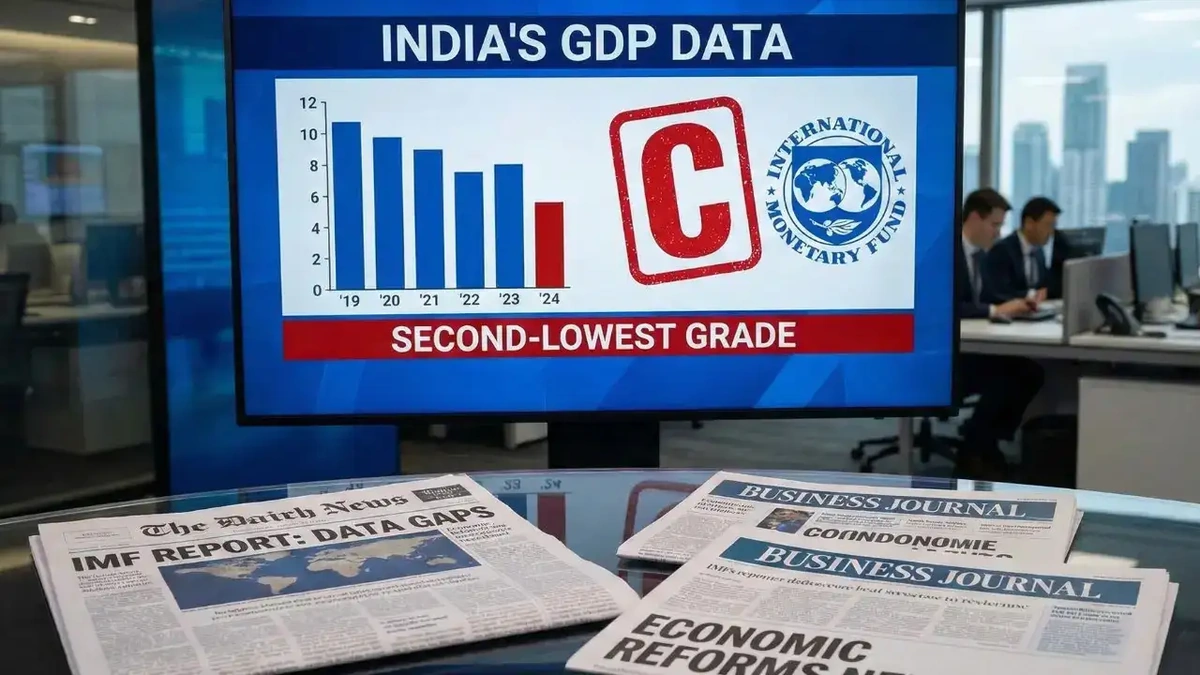
So, India’s GDP has surged by 8.2%, and Piyush Goyal, the Commerce and Industry Minister, is optimistic about continued growth, attributing it to reforms. Big news, right? But here’s the thing: what does this actually mean for the average Indian? Let’s dive deeper, beyond the headlines and political statements, and figure out the real-world implications of this economic upswing. This isn’t just about numbers; it’s about our lives, our jobs, and our future.
Decoding the 8.2% GDP Surge | More Than Just a Number
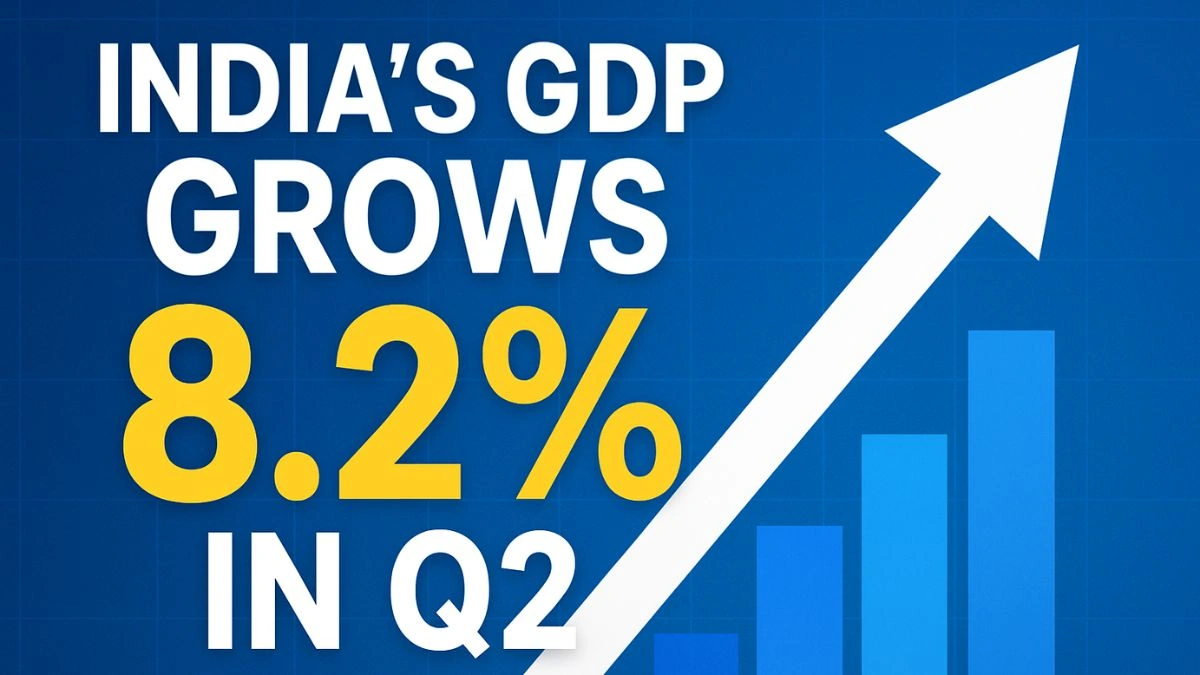
An 8.2% GDP growth rate sounds impressive, no doubt. But what comprises this figure? It’s not just about one sector booming. It’s a complex interplay of agriculture, manufacturing, services, and more. What fascinates me is how these sectors interact. If agriculture does well, it boosts rural incomes, which then fuels demand for manufactured goods. See how it all connects? This surge likely indicates strength across multiple sectors, a good sign of a resilient economy. One key factor driving the sustained economic expansion and GDP growth is the robust performance of key sectors like manufacturing and services.
And, let’s be honest, this growth rate comes after a period of slower growth due to the pandemic. So, a rebound was expected. But 8.2%? That’s a significant jump. It suggests that the economic engine is not just restarting; it’s firing on all cylinders. Government policies, increased investment, and a growing consumer base are all contributing factors. But is it sustainable? That’s the million-dollar question.
The ‘Reform’ Factor | What Exactly Are We Talking About?
Goyal cited reforms as a key driver of this growth. Okay, but which reforms specifically? Vague statements don’t cut it. We need specifics. Are we talking about tax reforms, deregulation, infrastructure development, or a combination of all these? Knowing the details is crucial to understanding the long-term impact. According to various reports, reforms in sectors such as manufacturing, infrastructure, and agriculture have played a crucial role in boosting economic activity and attracting investment, fostering a favorable environment for India’s economic growth.
Often, it’s a blend of policy changes that collectively create a more business-friendly environment. For instance, streamlining regulations can reduce the compliance burden on businesses, making it easier for them to operate and expand. Similarly, investments in infrastructure, like roads and ports, can improve logistics and reduce transportation costs, boosting competitiveness. The impact of these reforms on India’s economy is substantial.
From Macro to Micro | How Does This Affect You and Me?
Here’s where it gets personal. A rising GDP is generally a good thing, but it doesn’t automatically translate to prosperity for everyone. The benefits need to trickle down. Do we see more job creation? Are wages rising? Is the quality of life improving? These are the questions that matter most to the average Indian. If the GDP growth is concentrated in a few sectors or among a small segment of the population, it won’t have a significant impact on overall well-being. We have to look at indicators like employment rates, income inequality, and access to essential services to get a complete picture.
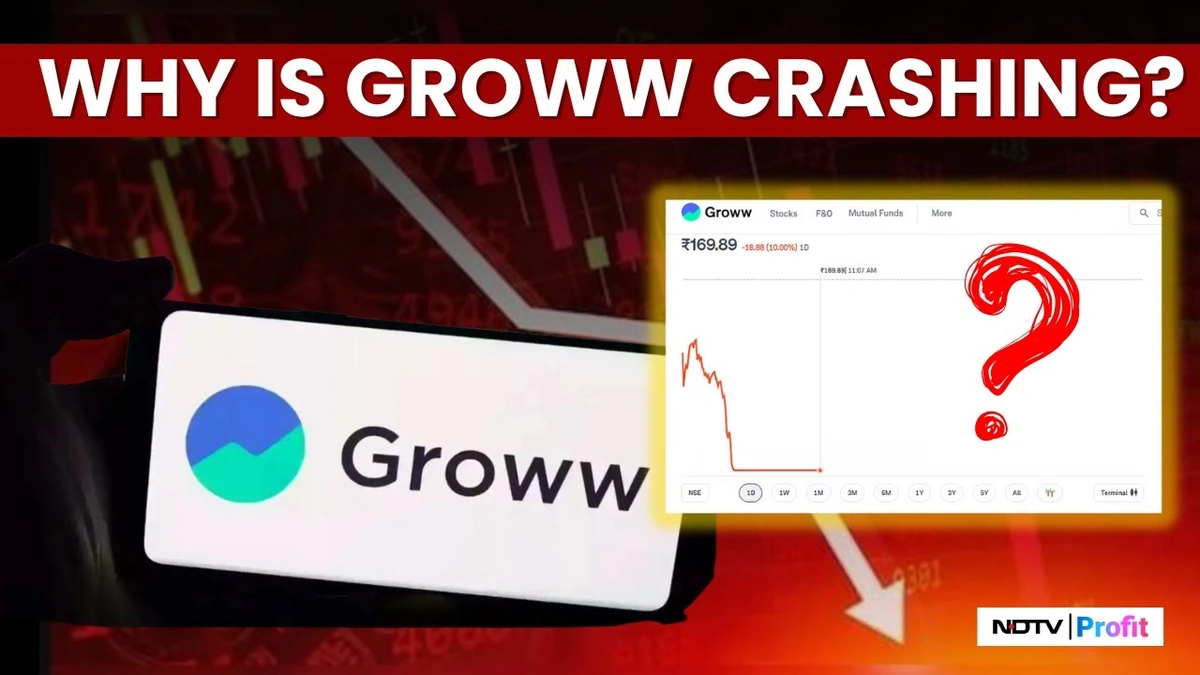
But, assuming the growth is broad-based, it can lead to increased consumer spending, which in turn fuels further economic activity. Think about it: when people have more disposable income, they spend more on goods and services, creating demand and driving production. This creates a virtuous cycle of growth and prosperity. Groww’s profit post IPO can serve as an example of how economic growth can benefit various sectors.
The Global Context | India in the World Economy
India’s 8.2% GDP growth doesn’t exist in a vacuum. We need to consider the global economic context. How does this compare to other major economies? Are we outpacing China, the United States, or Europe? A strong domestic economy can attract foreign investment and boost India’s position in the global marketplace. Solar pump stock gets huge order , highlighting a sector attracting significant investment. Moreover, it enhances our negotiating power in international trade agreements and strengthens our geopolitical standing.
But, a global slowdown can also impact India’s growth prospects. If major export markets experience a recession, it can reduce demand for Indian goods and services, slowing down our economic engine. So, while domestic reforms and policies are important, we also need to be mindful of the external environment and adapt our strategies accordingly. This is particularly relevant when discussing economic development .
Sustaining the Momentum | What Needs to Happen Next?
The big question: how do we ensure this 8.2% growth isn’t just a flash in the pan? Sustainability is key. We need to address structural issues like infrastructure bottlenecks, skill gaps, and bureaucratic hurdles. Continued investment in education, healthcare, and social infrastructure is essential to create a healthy and productive workforce. And let’s not forget about environmental sustainability. We need to pursue growth in a way that doesn’t compromise the environment for future generations. Focus on economic indicators is key to understanding the underlying health of the Indian economy.
I initially thought this was straightforward, but then I realized that sustained growth requires a multi-faceted approach that addresses both economic and social challenges. It’s not just about increasing the Gross Domestic Product ; it’s about creating a more equitable and sustainable society for all. That’s the real goal, isn’t it?
FAQ Section
Frequently Asked Questions
What exactly does GDP measure?
GDP measures the total value of goods and services produced within a country’s borders in a specific time period, usually a quarter or a year. It’s a key indicator of a country’s economic performance.

How does India’s GDP growth compare to other countries?
India’s 8.2% growth is among the highest in the world right now, outpacing many developed and developing economies. However, comparisons can vary depending on the specific period and economic conditions.
What are the main drivers of India’s current GDP growth?
Key drivers include growth in manufacturing, services, and agriculture, as well as increased investment and consumer spending. Government reforms and policies also play a significant role.
How can I benefit from India’s GDP growth?
GDP growth can lead to more job opportunities, higher wages, and improved living standards. Invest in your skills, seek out new opportunities, and participate in the growing economy to reap the benefits.
Is India’s GDP growth sustainable?
While the current growth is promising, sustainability depends on addressing structural issues and promoting inclusive and environmentally responsible development.
Disclaimer: ऊपर दिए गए विचार और सिफारिशें व्यक्तिगत विश्लेषकों या ब्रोकिंग कंपनियों की हैं, न कि "Finance Ghar" की। हम निवेशकों को सलाह देते हैं कि किसी भी निवेश निर्णय लेने से पहले प्रमाणित विशेषज्ञों से परामर्श करें। निवेश में जोखिम होता है और सही जानकारी के बिना निर्णय लेना हानिकारक हो सकता है।