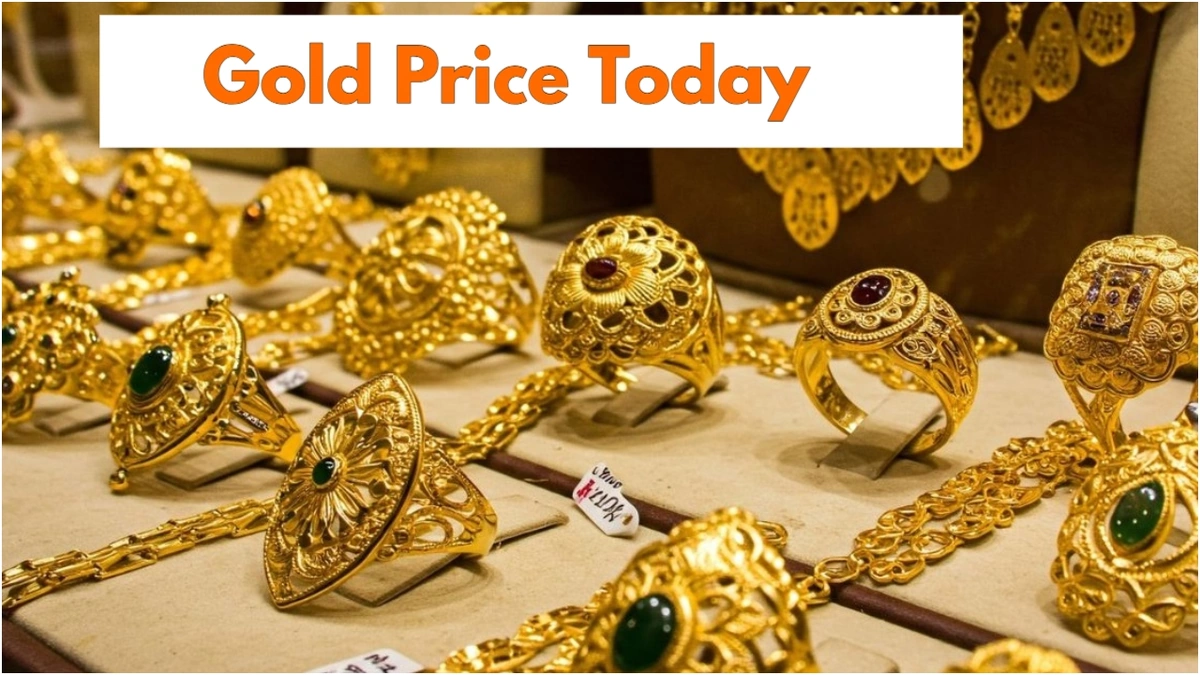
Alright, let’s talk gold. Not just any gold, but Indian gold prices , which are currently creating quite a buzz. We’re hearing whispers – more like shouts, really – that prices could soar to a staggering Rs 134,000. That’s not pocket change, folks. The question is, why? What’s fueling this potential gold rush? And more importantly, what does it mean for you, the average Indian consumer or investor?
The short answer? Expectations of a Federal Reserve (Fed) rate cut. But the devil, as they say, is in the details. Let’s unpack this, shall we? This isn’t just about numbers; it’s about understanding the underlying forces at play. Consider it a financial weather forecast, but instead of rain, we’re predicting potential gold showers. Or maybe a downpour, depending on how you look at it. Here’s a deeper dive into understanding how fed rate cut impacts gold rates.
Why a Fed Rate Cut Matters for Gold Prices
Here’s the thing: Gold and interest rates have an inverse relationship – they usually move in opposite directions. When the Fed cuts interest rates, it generally weakens the dollar. A weaker dollar makes gold – which is priced in dollars – cheaper for other countries to buy. Increased demand equals higher prices. Simple, right? Well, almost. But it goes beyond just currency fluctuations. Lower interest rates also make bonds and other fixed-income investments less attractive. So, investors start looking for alternative assets that can hold their value, or even better, appreciate. Gold, with its historical reputation as a safe haven, suddenly looks very appealing. Think of it as a game of financial musical chairs – when the music (interest rates) stops, everyone scrambles for the golden seat.
And it’s not just about big institutional investors. The psychological effect on the average person is huge. When interest rates are low, saving money in a bank account suddenly seems less rewarding. The temptation to put that money into something that might actually grow – like gold – increases. This boost in demand at the consumer level further drives up prices. According to Wikipedia , the prices are also determined based on the geopolitical scenario of the world.
The Indian Context | More Than Just Global Trends
Now, let’s zoom in on India. We Indians have a unique relationship with gold. It’s not just an investment; it’s a cultural symbol, a store of value passed down through generations, and an essential part of weddings and festivals. The demand for gold jewelry is always high, regardless of economic conditions. So, when you add the global factors (like the Fed rate cut) to the existing strong domestic demand, you get a recipe for potentially explosive price growth. This is important because the price of gold in India is also affected by import duties and taxes. This means that even if the global gold price remains stable, fluctuations in the rupee’s value or changes in import policies can impact the price you pay at your local jeweler. That’s where a deeper understanding of macroeconomics comes in handy.
And let’s not forget inflation. As prices of everything else go up, people naturally turn to gold as a hedge against inflation. They see it as a way to protect their wealth from eroding over time. So, the fear of inflation, coupled with the expectation of a Fed rate cut, is creating a perfect storm for gold price increases in India. But , you need to understand the current economic conditions before making any investment decision.
Navigating the Gold Market | What Should You Do?
So, what’s the takeaway? Should you rush out and buy all the gold you can get your hands on? Not necessarily. Investing in gold, like any other investment, requires careful consideration and a balanced approach. A common mistake I see people make is putting all their eggs in one basket. Diversification is key. Think of gold as one component of a well-rounded investment portfolio, not the entire meal.

Consider your risk tolerance. Gold can be volatile. Prices can fluctuate significantly in the short term. If you’re a risk-averse investor, you might want to limit your exposure to gold. On the other hand, if you’re comfortable with some risk, you might consider allocating a larger portion of your portfolio to gold. Before making any decisions, it is recommended to consult with financial advisor.
Also, think about your investment horizon. Are you looking for a quick profit, or are you planning to hold gold for the long term? Gold is often seen as a long-term investment, a way to preserve wealth over time. But if you’re looking for short-term gains, you need to be prepared for potential price swings. A common mistake I see is for people to buy and sell based on emotion. Stay disciplined and avoid knee-jerk reactions.
Consider the different ways to invest in gold. You can buy physical gold (coins, bars, jewelry), invest in gold ETFs (exchange-traded funds), or buy shares of gold mining companies. Each option has its own advantages and disadvantages. Physical gold offers a tangible asset, but it also comes with storage and security concerns. Gold ETFs are more liquid and easier to trade, but they don’t offer the same sense of ownership. Shares of gold mining companies can offer higher returns, but they also come with higher risks. You can also consider investing in related IPOs .
The Road Ahead | Factors to Watch
Looking ahead, there are several factors that could influence future gold prices . The Fed’s actual actions on interest rates will be crucial. If the Fed cuts rates more aggressively than expected, it could push gold prices even higher. Conversely, if the Fed holds steady or even raises rates, it could put downward pressure on prices. Geopolitical tensions are also a major factor. Any escalation of conflicts around the world could send investors flocking to gold as a safe haven. Economic data will also play a role. Strong economic growth could reduce the appeal of gold, while weak growth could boost demand. Keep in mind that the gold market can be unpredictable.
So, there you have it. A glimpse into the complex world of Indian gold prices and the factors that could drive them to record highs. It’s a story of global economics, cultural traditions, and individual investment decisions. The expected high gold price is also driven by increasing demand . It’s a fascinating time to be watching the gold market, and I hope this has given you a little more insight into what’s going on. What fascinates me is how tradition and finance intertwine when it comes to gold in India.
FAQ | Decoding the Gold Price Buzz
Will gold prices really reach Rs 134,000?
It’s a forecast, not a guarantee. Many factors influence gold prices, so it’s wise to stay informed and consult financial experts.
Should I invest all my savings in gold now?
Absolutely not! Diversification is crucial. Gold should be part of a balanced investment portfolio.

What are gold ETFs?
They are exchange-traded funds that track the price of gold, offering a convenient way to invest in gold without physically owning it.
How do Fed rate cuts affect the rupee?
Generally, rate cuts weaken the dollar, which can then weaken the rupee, making gold more expensive in India.
Is buying gold jewelry a good investment?
It has emotional and cultural value, but as an investment, consider the making charges and resale value.
What are the risks of investing in gold mining stocks?
They can be more volatile than gold itself, influenced by company-specific factors and market sentiment.
Disclaimer: ऊपर दिए गए विचार और सिफारिशें व्यक्तिगत विश्लेषकों या ब्रोकिंग कंपनियों की हैं, न कि "Finance Ghar" की। हम निवेशकों को सलाह देते हैं कि किसी भी निवेश निर्णय लेने से पहले प्रमाणित विशेषज्ञों से परामर्श करें। निवेश में जोखिम होता है और सही जानकारी के बिना निर्णय लेना हानिकारक हो सकता है।