Alright, let’s talk India GDP growth . 8.2% in Q2? That’s not just a number; it’s a statement. But what does it really mean for you and me, the average folks trying to navigate this ever-changing economic landscape? Forget the jargon for a moment. Let’s break down why this figure is significant, how it impacts your wallet, and what the future might hold. Because, honestly, numbers on a screen don’t pay the bills – understanding them does.
Decoding the 8.2% | More Than Just a Number
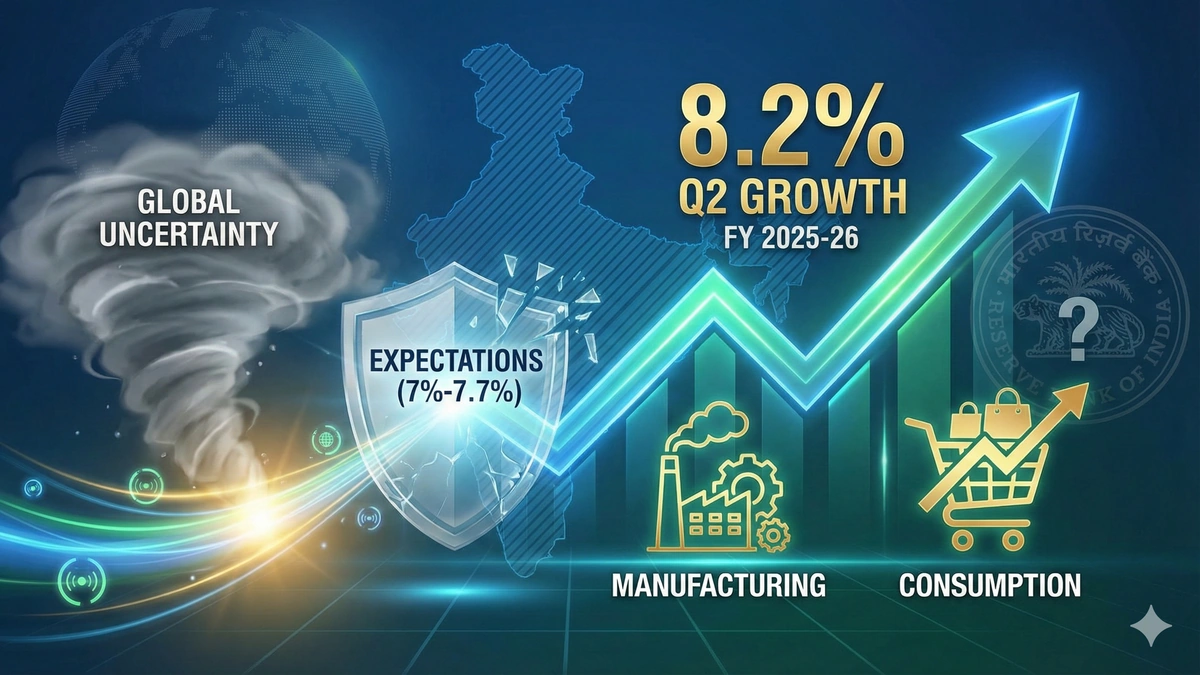
So, 8.2% GDP growth. What’s the big deal? Well, here’s the thing: it’s not just about bragging rights. It signals a certain momentum in the economy. It suggests that businesses are investing, people are spending, and things are generally… well, growing! Think of it like this: a plant growing at 8.2% is a pretty healthy plant. And a healthy economy hopefully translates to more jobs, better incomes, and more opportunities. But, and this is a big but, it’s not the whole story. The beauty of economic indicators like the GDP is that they can show long-term trends in financial health, but only if you understand them. Let’s explore some of the hidden components of this growth. It’s about unpacking what’s driving this growth. Is it sustainable? Is it inclusive? These are the questions we need to ask.
Now, you might be wondering, how does India compare to other major economies? Good question! While many developed nations are grappling with slow growth or even recession, India stands out. This relatively high growth rate makes India an attractive destination for investment and a key player in the global economy. However, it’s crucial to remember that India’s growth is from a different starting point and context than that of, say, the United States or Europe. A developing economy like India will naturally have different growth rates.
The “Why” | Unpacking the Drivers of Growth
Okay, but what’s actually fueling this 8.2%? Several factors are at play. Increased government spending on infrastructure, a rebound in private investment, and strong consumer demand are some of the key contributors. The government has been pushing hard on infrastructure projects – roads, railways, ports – and these projects not only create jobs but also stimulate economic activity across various sectors. I saw an article the other day about new railway lines opening up in previously isolated regions – that’s precisely the kind of thing that has a multiplier effect. And, let’s be honest, who doesn’t love a good infrastructure project? It’s tangible progress you can actually see . Here’s some more info on India’s growth.
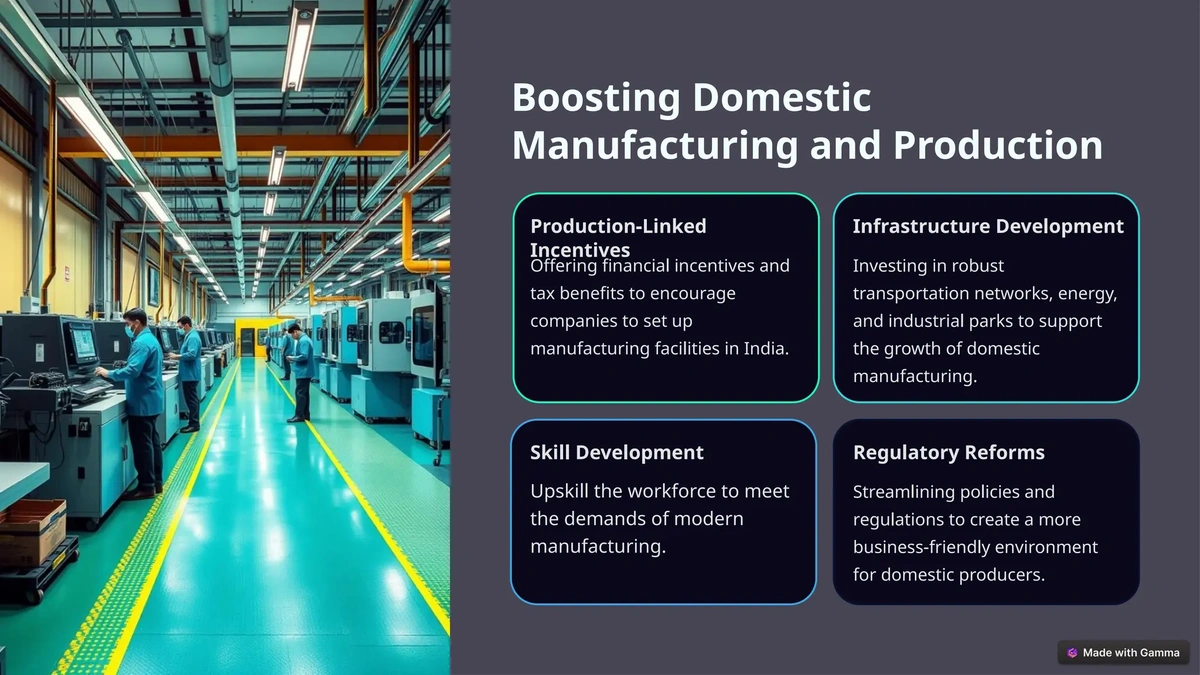
Then there’s the private sector. After a period of uncertainty, businesses are starting to invest again, expanding their operations and creating jobs. This is partly driven by increased confidence in the economy and partly by government incentives. Consumer demand is also playing a significant role. With rising incomes and increased access to credit, people are spending more on goods and services, from electronics to travel. It is helpful to see the manufacturing sector rebounding.
What fascinates me is how these factors interact. Government spending creates jobs, which boosts consumer demand, which encourages private investment, which… well, you get the picture. It’s a virtuous cycle – but it’s a cycle that needs to be carefully nurtured and managed.
The “So What?” | Impact on Your Wallet
Here’s where it gets personal. How does all this GDP talk affect your daily life? A growing economy can mean more job opportunities, higher salaries, and increased purchasing power. But let’s be real, it’s not always a direct or immediate impact. The benefits of economic growth often take time to trickle down to the average person. And, let’s not forget, inflation is a real concern. If prices are rising faster than your income, then that 8.2% growth might not feel so rosy after all.
Consider this: if the Indian economy is booming, but your monthly expenses are also skyrocketing, are you really better off? That’s the question we need to keep asking. What I’m getting at is that GDP growth alone isn’t enough. We need to ensure that this growth is inclusive, sustainable, and translates into tangible improvements in the lives of all Indians. Reserve Bank of India reports highlight this challenge.
Navigating the Future | Challenges and Opportunities
Looking ahead, India’s growth trajectory faces both challenges and opportunities. On the one hand, there are global headwinds – a potential slowdown in the world economy, rising commodity prices, and geopolitical uncertainties. On the other hand, India has a young and growing population, a large and increasingly affluent middle class, and a government committed to economic reforms. It really could be a perfect storm for continued growth.
The key, in my opinion, is to focus on sustainable and inclusive growth. That means investing in education and healthcare, creating more jobs in the formal sector, and addressing inequality. It also means protecting the environment and ensuring that growth doesn’t come at the expense of future generations. As per the latest reports in the Economy of India , the current economic growth is significantly reliant on global trade.
A common mistake I see people make is to treat GDP growth as the only measure of success. It’s important, yes, but it’s not the be-all and end-all. We need to look at a broader range of indicators – employment, poverty, health, education – to get a complete picture of how the country is doing. What fascinates me is how we are growing at such a high speed with a large population.
I wonder what will happen next?
FAQ | India’s GDP Growth – Your Questions Answered
What exactly does GDP measure?
GDP (Gross Domestic Product) measures the total value of goods and services produced within a country’s borders in a specific time period.
How does India’s GDP growth compare to other countries?
India’s GDP growth is currently among the highest in the world, especially when compared to other major economies.

What are the main factors driving India’s GDP growth?
Key drivers include government spending, private investment, and consumer demand, along with contributions from sectors like manufacturing and services.
Is high GDP growth always a good thing?
While generally positive, high GDP growth needs to be sustainable and inclusive, ensuring benefits reach all segments of society.
How can I benefit from India’s economic growth?
Look for job opportunities in growing sectors, invest wisely, and focus on improving your skills to increase your earning potential.
So, there you have it. India’s 8.2% GDP growth is a significant achievement, but it’s just one piece of the puzzle. By understanding the underlying drivers, potential challenges, and the impact on your own life, you can make informed decisions and navigate the economic landscape with greater confidence. And remember, numbers tell a story – it’s up to us to read between the lines.
Disclaimer: ऊपर दिए गए विचार और सिफारिशें व्यक्तिगत विश्लेषकों या ब्रोकिंग कंपनियों की हैं, न कि "Finance Ghar" की। हम निवेशकों को सलाह देते हैं कि किसी भी निवेश निर्णय लेने से पहले प्रमाणित विशेषज्ञों से परामर्श करें। निवेश में जोखिम होता है और सही जानकारी के बिना निर्णय लेना हानिकारक हो सकता है।