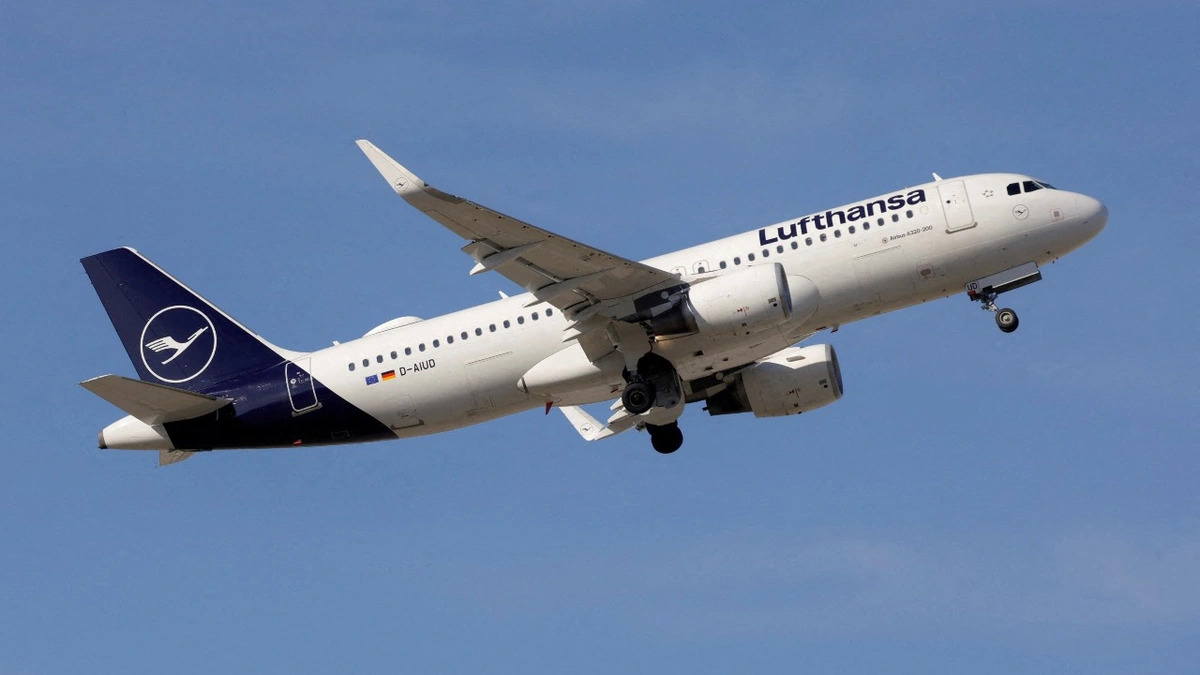
Okay, folks, buckle up. If you’re planning to fly anytime soon, especially on an Airbus A320 , you might want to pay close attention. There’s a developing story about a potential software glitch that could ground over 300 aircraft in India and cause widespread flight delays globally. I know, that sounds like a headline ripped straight out of a disaster movie, doesn’t it? But before you start panicking and re-evaluating your travel plans, let’s break down what’s happening, why it’s happening, and what it means for you, the traveler.
Here’s the thing: aviation software is complex. It’s not like your phone’s operating system where a bug might just crash your Candy Crush game. We’re talking about systems that control critical aspects of flight, and that demands meticulous attention to detail. A small issue, overlooked, could lead to significant consequences. While the exact nature of the Airbus A320 software issue is still unfolding, the potential disruption is already making waves in the industry.
Why This Airbus A320 Software Issue Matters – A Deep Dive
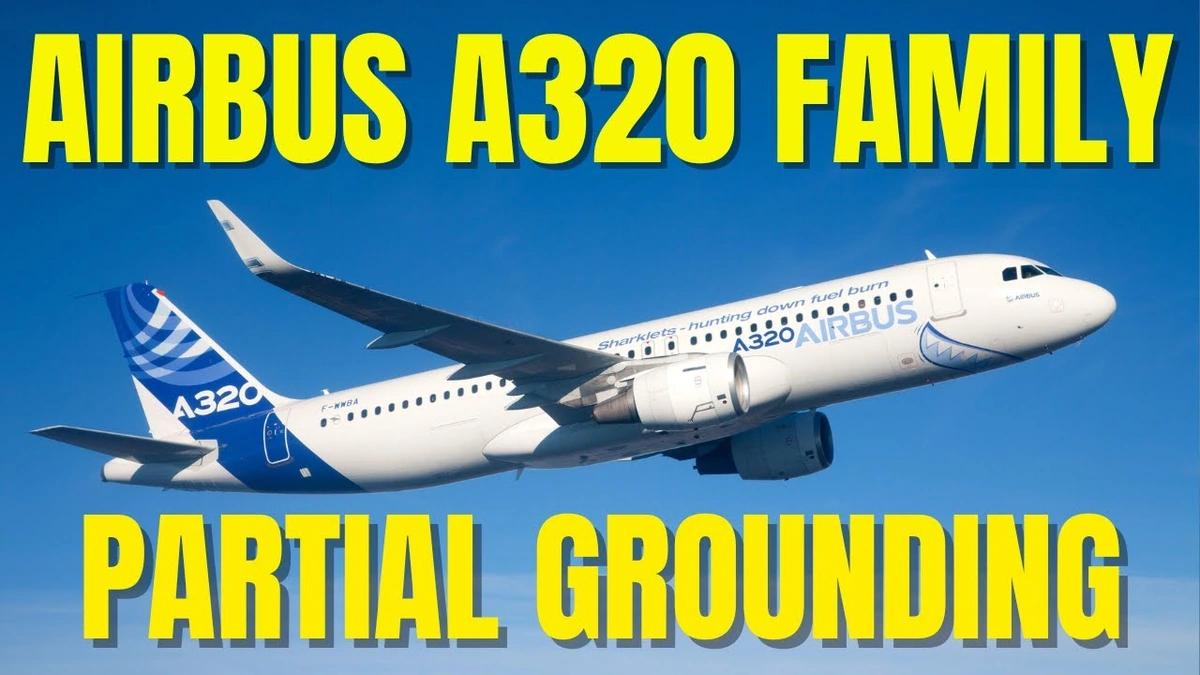
So, why should you care about a software issue on an airplane? Well, beyond the obvious inconvenience of potential flight delays or cancellations (and let’s be honest, who enjoys those?), this situation highlights something crucial about modern aviation: its reliance on software. We’re not just talking about autopilot here. Software manages everything from engine performance to navigation systems. Any vulnerability in these systems can have a ripple effect.
What fascinates me is how interconnected the global aviation network is. An issue affecting primarily Indian airlines flying Airbus A320 s can quickly snowball into a global problem. This is because airlines often lease or share aircraft, and a grounded plane in one location can disrupt schedules worldwide. It’s like a traffic jam on a global scale. But, as per industry experts , the long term future of airbus looks strong.
And there’s more. This event could trigger a broader review of aviation software and safety protocols. Aviation authorities around the world are incredibly cautious (as they should be), and any incident, even a potential one, is thoroughly investigated. This means more checks, more inspections, and potentially more groundings in the short term, even for planes not initially affected. This is why keeping up with business news is very important.
How Could This Impact Your Travel Plans?
Alright, let’s get practical. How might this Airbus A320 software snafu affect your travel plans? The most immediate impact is the possibility of flight delays. Airlines will likely scramble to reschedule flights, re-route aircraft, and find alternative solutions. This could mean longer layovers, unexpected connections, or even cancellations. If you’re flying on an Airbus A320 aircraft , particularly with an Indian airline, keep a close eye on your flight status. Contact your airline directly for the latest updates and be prepared to be flexible.
A common mistake I see people make is not checking their travel insurance policy. Most comprehensive policies cover flight delays and cancellations, providing compensation for accommodation, meals, and other expenses. Now , talk of digital advancement is the talk of the town. But before assuming your covered, read the fine print carefully and understand the terms and conditions.

Consider alternative travel options if possible. If your trip is not time-sensitive, you might want to postpone it or explore alternative routes. Train travel, for example, might be a viable option for shorter distances. Also, consider flying with airlines that don’t primarily operate Airbus A320 aircraft.
Decoding the Technical Jargon
Let’s be honest – sometimes aviation news sounds like it’s written in another language. What does a “software issue” even mean in this context? Well, it could refer to a bug in the aircraft’s flight management system (FMS), which is essentially the brain of the plane. It could also involve issues with the aircraft’s navigation systems, engine control units, or other critical components. The important thing to understand is that even a tiny error in the code can have huge implications.
Flight safety relies on multiple layers of redundancy. If one system fails, there are backup systems to take over. However, a widespread software issue affecting multiple aircraft raises concerns about the robustness of these backup systems. Are they truly independent, or do they share common code that could be vulnerable? These are the kinds of questions that aviation authorities will be investigating.
The term “grounding” simply means that the aircraft are prohibited from flying until the issue is resolved. This is a precautionary measure to ensure passenger safety and prevent potential accidents. Grounding of Airbus A320 aircraft can have far reaching consequences on global flight schedules.
The Future of Aviation Software – Are We Safe?
So, does this incident mean that flying is becoming more dangerous? Not necessarily. In fact, air travel is statistically safer than it’s ever been. However, it does highlight the growing importance of cybersecurity in aviation. As aircraft become more connected and reliant on software, they also become more vulnerable to cyberattacks. Imagine the chaos that could ensue if a malicious actor gained control of an aircraft’s systems.
What fascinates me is that the aviation industry is constantly evolving. New technologies are being developed all the time to improve safety, efficiency, and passenger comfort. But with each new innovation comes new risks. It’s crucial that the industry stays ahead of the curve and invests in robust cybersecurity measures to protect against potential threats.
FAQ About the Airbus A320 Software Issue
Will my flight definitely be delayed if it’s on an Airbus A320?
Not necessarily. However, it’s wise to check your flight status regularly with your airline, especially if you are flying on an Airbus A320 in the near future.

What if my flight gets cancelled? What are my rights?
Your rights depend on the airline and the country you’re flying from/to. Typically, you’re entitled to a refund or rebooking on another flight. Check your airline’s policy and your travel insurance for details.
How long will it take to fix this software issue?
That’s difficult to say. It depends on the complexity of the issue and how quickly the software vendor (in this case, likely Airbus) can develop and deploy a fix. The entire aviation sector is responsible for maintaining flight safety.
Should I avoid flying on an Airbus A320 altogether?
That’s a personal decision. The Airbus A320 is generally considered a safe and reliable aircraft. Airlines conduct routine checks to ensure operational efficiency . However, if you’re concerned, you could consider flying on a different type of aircraft or postponing your trip. But let’s be real, fear shouldn’t dictate your life.
Ultimately, the Airbus A320 software incident is a reminder of the complexities and challenges of modern aviation. It’s a testament to the importance of vigilance, collaboration, and continuous improvement. So, the next time you’re soaring through the skies, take a moment to appreciate the intricate web of technology and human expertise that makes air travel possible. And maybe, just maybe, send a silent thank you to the software engineers who are working tirelessly to keep us safe.
Disclaimer: ऊपर दिए गए विचार और सिफारिशें व्यक्तिगत विश्लेषकों या ब्रोकिंग कंपनियों की हैं, न कि "Finance Ghar" की। हम निवेशकों को सलाह देते हैं कि किसी भी निवेश निर्णय लेने से पहले प्रमाणित विशेषज्ञों से परामर्श करें। निवेश में जोखिम होता है और सही जानकारी के बिना निर्णय लेना हानिकारक हो सकता है।