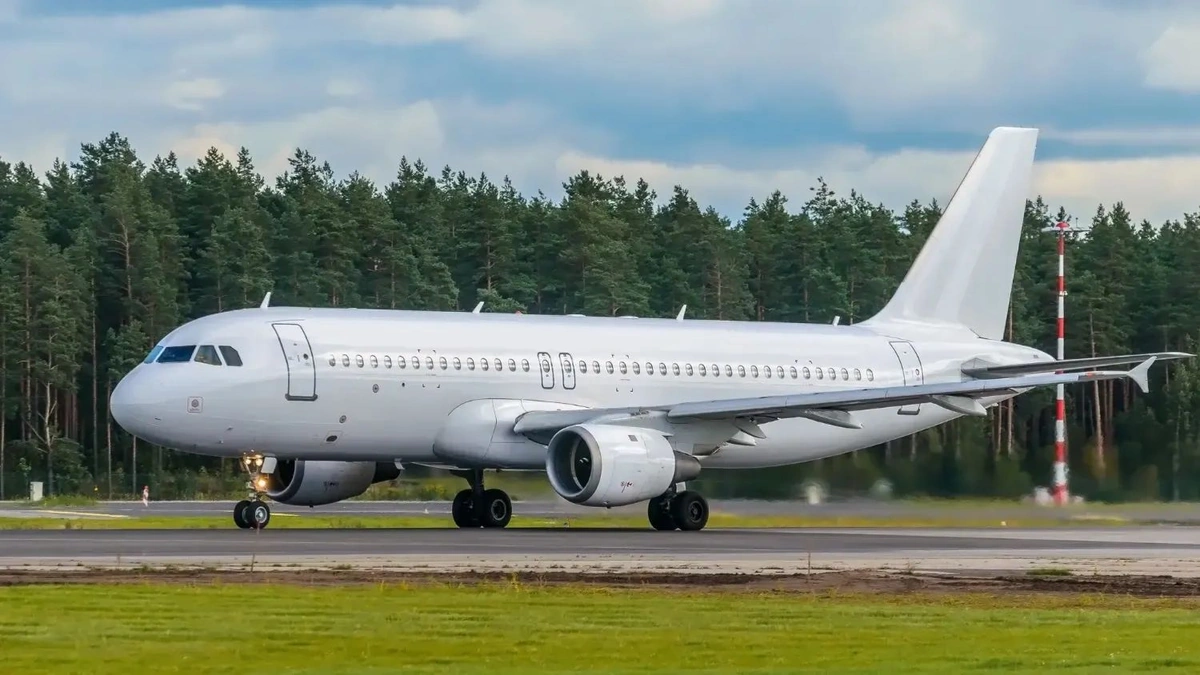
So, the news is out: some Airbus A320 aircraft are facing a recall. But before you start picturing planes falling from the sky, let’s take a deep breath and understand what’s really going on here. This isn’t just about a few faulty bolts; it’s about preventative safety, rigorous testing, and the incredibly complex world of aviation engineering. And that, my friends, is fascinating.
What’s the Big Deal? Understanding the Airbus A320 Recall
The heart of the matter is this: certain Airbus A320 family aircraft – think A319, A320, and A321 – might have flight-control computers with potentially problematic software. Now, these aren’t your average desktop computers. They’re the brains behind how the pilots control the plane. According to the European Union Aviation Safety Agency (EASA) , seven potential issues have been identified. Seven! That sounds like a lot, but let’s break it down.
These issues range from potential autopilot glitches to problems with the aircraft’s response to certain commands. It’s important to note that these are potential issues – they might not even occur during a flight. But aviation is all about mitigating risk, and that’s why Airbus and regulators are taking swift action.
The “Why” Behind the Recall | A Deeper Dive
Here’s where it gets interesting. Why now? What triggered this recall? The answer lies in the continuous monitoring and testing that Airbus and other aviation companies undertake. As new software updates are rolled out and data is analyzed, potential anomalies can be flagged. This recall isn’t necessarily a sign of a major problem, but rather a testament to the industry’s commitment to safety. It shows that issues are caught before they become dangerous. It’s like getting a health checkup – you might not feel sick, but it’s always good to get things checked out.
What fascinates me is the level of redundancy built into these systems. Even if one flight-control computer hiccups, there are backups. Pilots are also extensively trained to handle various scenarios, including computer malfunctions. This isn’t your average “turn it off and on again” fix; it’s a complex interplay of hardware, software, and human expertise.
Breaking Down the 7 Potential Issues
Let’s be honest – diving into the technical details can get a bit dry. But understanding the gist of these seven potential issues is crucial. We’re talking about things like:
- Potential autopilot disengagement in certain conditions.
- Incorrect response to pilot inputs during specific maneuvers.
- Issues with the aircraft’s stall-protection system.
These are, thankfully, highly specific scenarios. However, even a small chance of a malfunction is unacceptable in aviation. The flight control system needs to be perfect.
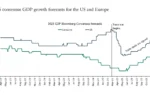
According to sources such as Wikipedia , the A320 family is the world’s best selling aircraft. Aircraft maintenance is therefore of vital importance to the industry. And, as discussed, the fact that the problems were caught early demonstrates that the industry takes safety seriously. As well as this, it demonstrates the level of sophistication of current safety procedures.
What Does This Mean for Passengers and Airlines?
The good news is that airlines are already working to implement the necessary software updates. The impact on passengers should be minimal. You might see some flight delays or cancellations as airlines take planes out of service for maintenance, but safety is always the top priority. And, the acquisition of aircraft by airlines such as Indigo demonstrates the continued health of the industry.
Airlines will be following the guidelines set out by the aviation authorities and Airbus. This will ensure that the airworthiness directives are met and that the aircraft is safe to fly. It’s a complex logistical operation, but it’s one that the aviation industry is well-equipped to handle.
The Future of Aviation Safety | Continuous Improvement
This Airbus A320 recall is a reminder that aviation safety is a continuous process. It’s not about achieving a perfect state, but about constantly monitoring, testing, and improving. New technologies, data analysis, and pilot training all play a crucial role in making air travel safer. The modern aviation industry is a fast moving beast which is constantly adapting to changing conditions and new technologies. This is especially important given the fact that airline safety is of paramount importance to the entire global economy.
I initially thought this recall was a major cause for concern, but then I realized it’s actually a positive sign. It demonstrates that the systems in place to detect and address potential problems are working effectively. What I am also intrigued by is that, in the modern world, there is now so much data available, that the slightest hint of a problem is likely to be found at some point.
And that’s the thing about aviation – it’s not just about flying planes; it’s about pushing the boundaries of engineering, technology, and human expertise to make air travel as safe as possible. So, the next time you board an Airbus A320, remember that countless people are working behind the scenes to ensure your safety. And that, my friends, is something to appreciate.
FAQ | Your Questions About the Airbus A320 Recall Answered
Is it safe to fly on an Airbus A320 right now?
Yes, it is safe. Airlines are actively addressing the issue, and planes are only allowed to fly once the necessary software updates have been implemented.

Will my flight be affected by this recall?
There might be some delays or cancellations as airlines take planes out of service for maintenance, but airlines are working to minimize disruptions.
What should I do if I’m concerned about my upcoming flight?
Contact your airline directly. They can provide you with the most up-to-date information about your flight status.
What are airworthiness directives?
An Airworthiness Directives are regulations issued by aviation authorities to address safety concerns with aircraft.
Are other aircraft models affected by this issue?
The recall primarily affects the Airbus A320 family, including A319, A320, and A321 models. The A320 aircraft family has been a mainstay of global aviation for a long time.
Disclaimer: ऊपर दिए गए विचार और सिफारिशें व्यक्तिगत विश्लेषकों या ब्रोकिंग कंपनियों की हैं, न कि "Finance Ghar" की। हम निवेशकों को सलाह देते हैं कि किसी भी निवेश निर्णय लेने से पहले प्रमाणित विशेषज्ञों से परामर्श करें। निवेश में जोखिम होता है और सही जानकारी के बिना निर्णय लेना हानिकारक हो सकता है।