Let’s be honest, when most people think of the Yakuza, images of tattooed bodies, ritualistic ceremonies, and brutal violence probably spring to mind. That’s the surface, the Hollywood version. But what really makes this Japanese organized crime syndicate so fascinating, so deeply ingrained in Japanese society – even now, despite decades of police crackdowns? It’s more complex than gangsters shaking down businesses.
Here’s the thing: the Yakuza’s story is intertwined with Japan’s own history, its traditions, and even its sense of national identity. Understanding the “why” behind their enduring presence is key to grasping their true significance.
The Yakuza’s Roots: From Samurai to Street Gangs
The Yakuza didn’t just pop up overnight. Their origins can be traced back to the Edo period (1603-1868), a time of significant social upheaval in Japan. Two main groups are considered the forerunners of the modern Yakuza: the tekiya (peddlers) and the bakuto (gamblers). The tekiya operated as street vendors, often selling shoddy goods at exorbitant prices, but they also provided a sense of order and protection in the chaotic marketplaces. The bakuto, on the other hand, ran gambling dens and were often outcasts from society. Both groups developed their own codes of conduct and hierarchies, laying the groundwork for the Yakuza’s future structure.
What fascinates me is how these groups, initially marginalized, carved out a niche for themselves by providing services that the government couldn’t or wouldn’t. It’s a classic story of supply and demand, even in the underworld.
The Code of Honor: Loyalty, Tradition, and Ninkyo
The Yakuza’s code of honor, known as ninkyo, is a complex mix of loyalty, tradition, and a sense of duty to the community. Members are expected to be fiercely loyal to their boss ( oyabun , literally “father figure”) and to their fellow gang members (kobun, “child figure”). This hierarchical structure provides a sense of belonging and purpose, particularly for those who feel alienated from mainstream society. The yakuza often uses body tattoos to show their allegiance to the family.
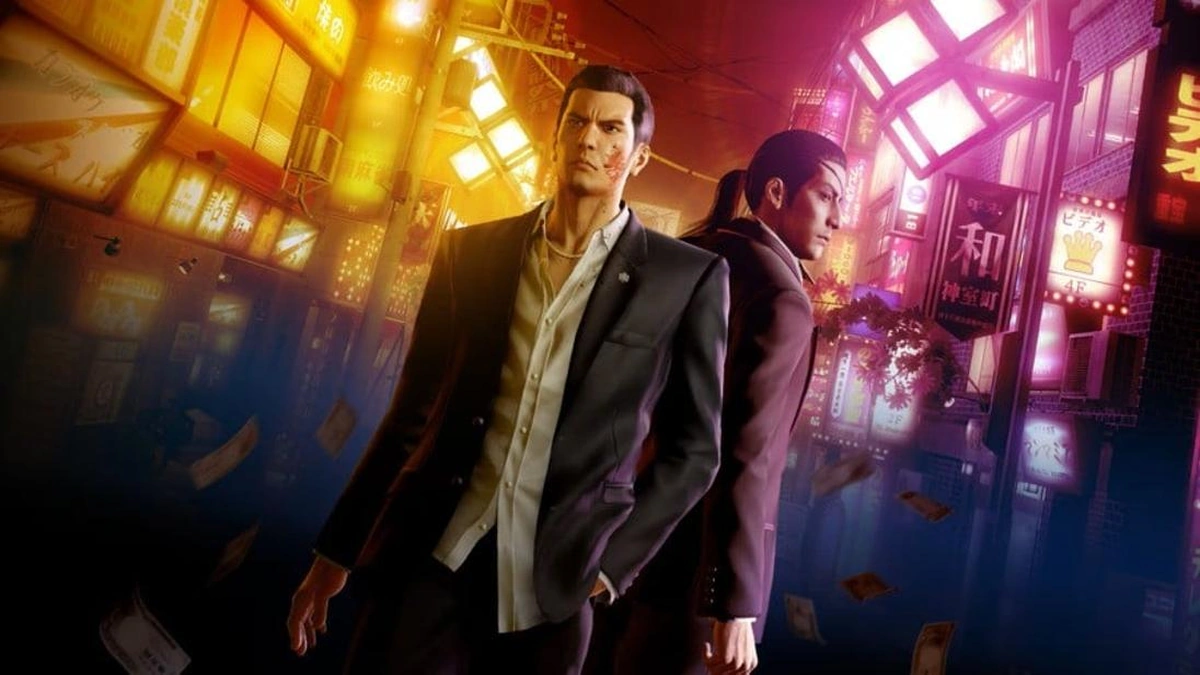
Ninkyo also emphasizes a sense of justice and helping the weak, although this is often overshadowed by the Yakuza’s criminal activities. Let me rephrase that for clarity: the romanticized image of the Yakuza as modern-day Robin Hoods is largely a myth, but the emphasis on loyalty and protecting one’s own remains a core tenet of their ideology. Yakuza Game lovers know that there are multiple stories about their loyalty and tradition.
The Yakuza and Society: A Complicated Relationship
The relationship between the Yakuza and Japanese society is, to put it mildly, complicated. On the one hand, they are criminals who engage in illegal activities such as extortion, drug trafficking, and fraud. On the other hand, they have historically played a role in maintaining order and stability, particularly in times of crisis. After the Great Hanshin earthquake in 1995, for example, the Yakuza were among the first to provide aid and assistance to the victims, filling a void left by the government’s slow response. This earned them a degree of public goodwill, further blurring the lines between right and wrong. According to Wikipedia , their influence is far reaching.

I initially thought this was straightforward – criminals are criminals, right? But then I realized that the Yakuza operate within a cultural context where notions of honor, loyalty, and duty often trump traditional legal definitions of right and wrong. They are a product of their environment, a reflection of the complex social forces at play in Japan. Organized Crime has its own rules.
The Modern Yakuza: Decline and Evolution
In recent years, the Yakuza have faced increasing pressure from law enforcement and changing social attitudes. Anti-Yakuza laws have made it more difficult for them to operate, and the economic downturn has eroded their traditional sources of income. As a result, membership has been declining, and the Yakuza’s influence has waned. But the Yakuza are nothing if not adaptable. They have diversified their operations, moving into areas such as cybercrime and financial fraud. They have also sought to legitimize their activities by investing in legitimate businesses. The Japanese Mafia is trying hard to not go extinct.
But, even as the Yakuza adapt, their existence is being challenged in ways they have never had to face before. Yakuza tattoos are getting unpopular.
What Does the Future Hold for the Yakuza?
So, what does the future hold for the Yakuza? It’s hard to say for sure. Their numbers are dwindling, their influence is waning, and they face increasing pressure from law enforcement. But they have survived for centuries, adapting to changing circumstances and finding new ways to thrive. Their deep roots in Japanese society, their complex code of honor, and their ability to provide services that the government can’t or won’t all suggest that they will continue to exist, in some form or another, for years to come. The Yakuza code is very much alive.
The Yakuza’s story isn’t just about crime and violence; it’s a story about tradition, loyalty, and the enduring human need for belonging. It’s a story that continues to evolve, and one that offers a fascinating glimpse into the hidden underbelly of Japanese society. What’s particularly interesting to me is the shift towards white-collar crime. The Yakuza are no fools; they go where the money is.
FAQ Section
Frequently Asked Questions
What is the origin of the Yakuza name?
The name “Yakuza” comes from a losing hand in a Japanese card game: Ya-Ku-Za (8-9-3). This is a metaphor for their position as outcasts or “losers” in society.
Are all Yakuza members tattooed?
Traditionally, full-body tattoos ( irezumi ) were a sign of Yakuza membership, symbolizing commitment and pain endurance. However, not all members have them, especially in recent years.

How do anti-Yakuza laws affect ordinary citizens?
These laws primarily target Yakuza activities and their ability to operate openly. While they are designed to protect citizens, some worry about potential overreach and unintended consequences.
What is the Yakuza’s involvement in politics?
Historically, there have been instances of Yakuza involvement in politics, primarily through bribery and intimidation. However, the extent of this influence is debated.
What are the biggest Yakuza families today?
The largest Yakuza syndicate is the Yamaguchi-gumi. Other prominent groups include the Sumiyoshi-kai and the Inagawa-kai.
How has globalization impacted Yakuza operations?
Globalization has created new opportunities for the Yakuza to expand their operations internationally, particularly in areas such as drug trafficking and money laundering.
Disclaimer: ऊपर दिए गए विचार और सिफारिशें व्यक्तिगत विश्लेषकों या ब्रोकिंग कंपनियों की हैं, न कि "Finance Ghar" की। हम निवेशकों को सलाह देते हैं कि किसी भी निवेश निर्णय लेने से पहले प्रमाणित विशेषज्ञों से परामर्श करें। निवेश में जोखिम होता है और सही जानकारी के बिना निर्णय लेना हानिकारक हो सकता है।