
Okay, let’s talk. The Sensex took a dip, 331 points to be exact, and the Nifty is hovering uncomfortably close to the 25,950 mark. BEL (Bharat Electronics Limited) took a 3% hit, and Mahindra & Mahindra (M&M) wasn’t far behind, dipping by 2%. Now, on the surface, it’s just another day on Dalal Street. But here’s the thing: it’s not just another day. It’s a chance to understand the subtle shifts happening beneath the headlines. So, let’s dive into why this matters, especially for you, the everyday Indian investor trying to make sense of it all.
Decoding the Dip | Why the Sensex Fell
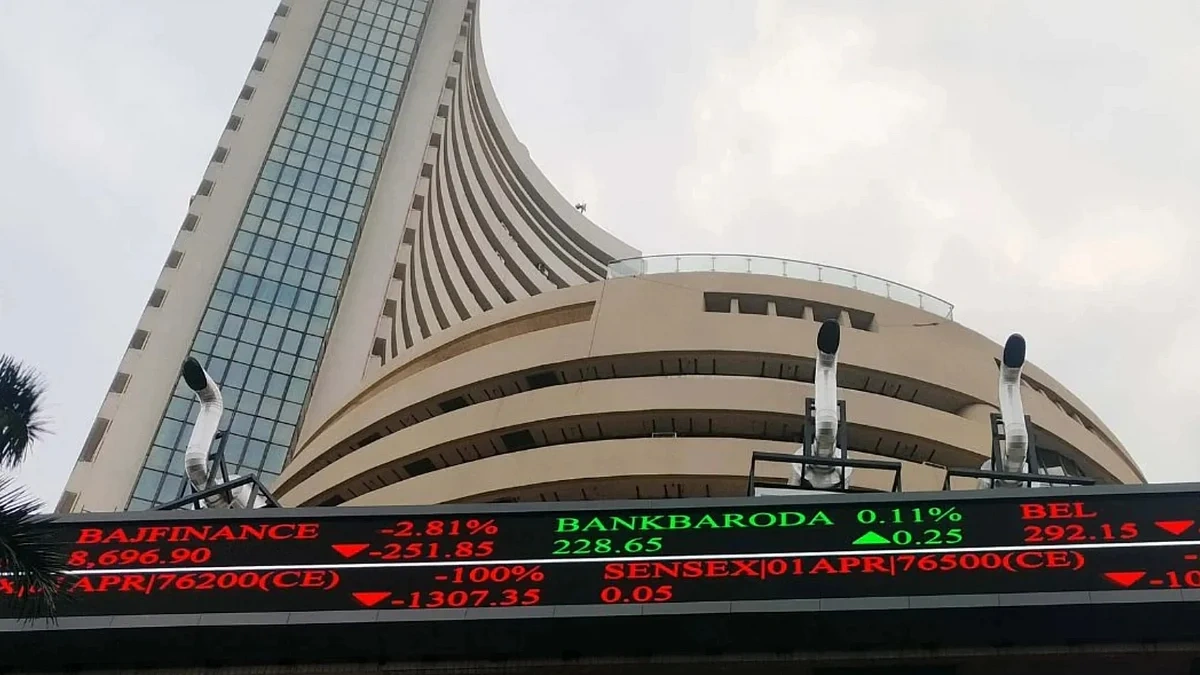
So, why did the Sensex decide to take a tumble? Multiple factors often converge, like a perfect storm brewing over the market. One major player is global cues. What happens in the U.S. markets, for instance, has a ripple effect here. If the Dow Jones sneezes, our markets catch a cold – that’s just how it works. Concerns about inflation, potential interest rate hikes by the US Fed (which, by the way, you can read more about here ), and geopolitical tensions all contribute to market volatility.
Another contributing factor? Profit booking. See, after a period of gains, investors often decide to cash in their profits. It’s a perfectly normal and healthy part of the market cycle. Think of it like taking some winnings off the table after a good poker hand. This selling pressure can then trigger a broader market decline. And then there’s the domino effect – when investors see the market falling, they may start selling to avoid further losses, exacerbating the downward spiral. It’s herd mentality at its finest, or, perhaps, its most frustrating.
Of course, specific company news also plays a role. The falls in BEL and M&M are indicative of sector-specific headwinds. BEL might be facing concerns regarding order inflows or changes in government policies related to defense procurement. M&M, on the other hand, could be dealing with issues in the auto sector, such as rising input costs or fluctuating demand. Always dig deeper than the headline! Understanding these sector-specific factors gives you a far clearer picture of what’s really going on.
What Does This Mean for You? (The Real Talk)
Now, let’s get real. What does all this red on the screen actually mean for you, the average investor in India? First off, don’t panic. Seriously. Market fluctuations are part and parcel of investing. If you’ve invested for the long term (and you should be!), a single day’s decline shouldn’t throw you off course. Remember that market volatility is the price you pay for potentially higher returns over time. Think of it as turbulence on a flight; it can be unsettling, but it doesn’t necessarily mean the plane is going down.
However, it is a good time to re-evaluate your portfolio. Are you properly diversified? Are you comfortable with the level of risk you’re taking? A market dip can be a valuable opportunity to buy quality stocks at lower prices – a strategy known as “buying the dip.” But only do this if you’ve done your homework and understand the companies you’re investing in. Don’t just blindly follow the crowd; that’s a recipe for disaster. Consider consulting a financial advisor to get personalized advice tailored to your specific situation. As per experts, diversification will help in minimizing the impact of market corrections .
Here’s something else to consider: are you investing in fundamentally strong companies? Companies with solid financials, good management, and a sustainable business model are more likely to weather market storms than those that are not. Focus on quality over quick gains. The most important thing is to stay informed and make rational decisions based on your own research and risk tolerance.

The Curious Case of BEL and M&M | A Closer Look
Let’s zoom in on BEL and M&M for a moment. The 3% and 2% dips, respectively, might seem small in the grand scheme of things, but they tell a story. For BEL, which is a major player in the defense sector, the fall could be linked to government policy changes, delays in project approvals, or increased competition. The defense sector is heavily regulated and subject to political and economic influences, so these factors can have a significant impact on the company’s stock price.
M&M, on the other hand, operates in the highly competitive auto industry. Factors such as rising raw material costs, fluctuating fuel prices, and changing consumer preferences can all affect the company’s performance. Moreover, the auto sector is undergoing a massive transformation with the rise of electric vehicles (EVs). M&M needs to adapt and innovate to stay ahead of the curve. These factors makes stock analysis imperative for investors.
Now, this isn’t to say that BEL and M&M are bad investments. Far from it! They are both well-established companies with strong track records. However, it’s essential to understand the specific challenges and opportunities they face in their respective sectors. Do your research, read company reports, and stay updated on industry trends. The more you know, the better equipped you’ll be to make informed investment decisions.
Navigating the Nifty Under 25,950 | Stay Calm and Carry On
The Nifty hovering under 25,950 is a psychological level more than anything else. It’s a reminder that markets can go down as well as up. It’s also a chance to test your resolve as an investor. Are you going to panic and sell, or are you going to stay the course and ride out the volatility? Remember, investing is a marathon, not a sprint. The long-term investing strategy helps in accumulating wealth.
The best approach is to stay calm, stick to your investment plan, and focus on your long-term goals. Don’t get caught up in the daily noise and short-term fluctuations. Instead, use this as an opportunity to learn and grow as an investor. Understand how the market works, how different factors influence stock prices, and how to manage your risk. The more you learn, the more confident you’ll become, and the better you’ll be able to navigate the inevitable ups and downs of the market. You can also check out this article on rupee movement for related context.
And hey, remember that investing shouldn’t be a stressful experience. It should be a journey of learning, growth, and ultimately, financial freedom. So, take a deep breath, stay informed, and don’t let the market volatility get you down. You’ve got this! Investment planning requires patience and discpline.
FAQ Section
Frequently Asked Questions
What should I do if I’m feeling anxious about the market downturn?
Take a step back, review your investment goals, and remember why you started investing in the first place. If you’re still feeling anxious, consider talking to a financial advisor.

Is now a good time to buy stocks?
It depends on your individual circumstances and risk tolerance. If you’ve done your research and are comfortable with the risk, it could be a good opportunity to buy quality stocks at lower prices.
How can I diversify my portfolio?
Consider investing in a mix of different asset classes, such as stocks, bonds, and real estate. You can also diversify within each asset class by investing in different sectors and industries.
What are some common mistakes that investors make during market downturns?
Panicking and selling their investments, trying to time the market, and not diversifying their portfolios are common mistakes.
Where can I find reliable information about the stock market?
Reputable financial news websites, company reports, and financial advisors are good sources of information. Be wary of social media and online forums, as they may contain biased or inaccurate information.
How frequently should I review my portfolio?
At least once a year, or more frequently if there are significant changes in your financial situation or the market.
Disclaimer: ऊपर दिए गए विचार और सिफारिशें व्यक्तिगत विश्लेषकों या ब्रोकिंग कंपनियों की हैं, न कि "Finance Ghar" की। हम निवेशकों को सलाह देते हैं कि किसी भी निवेश निर्णय लेने से पहले प्रमाणित विशेषज्ञों से परामर्श करें। निवेश में जोखिम होता है और सही जानकारी के बिना निर्णय लेना हानिकारक हो सकता है।