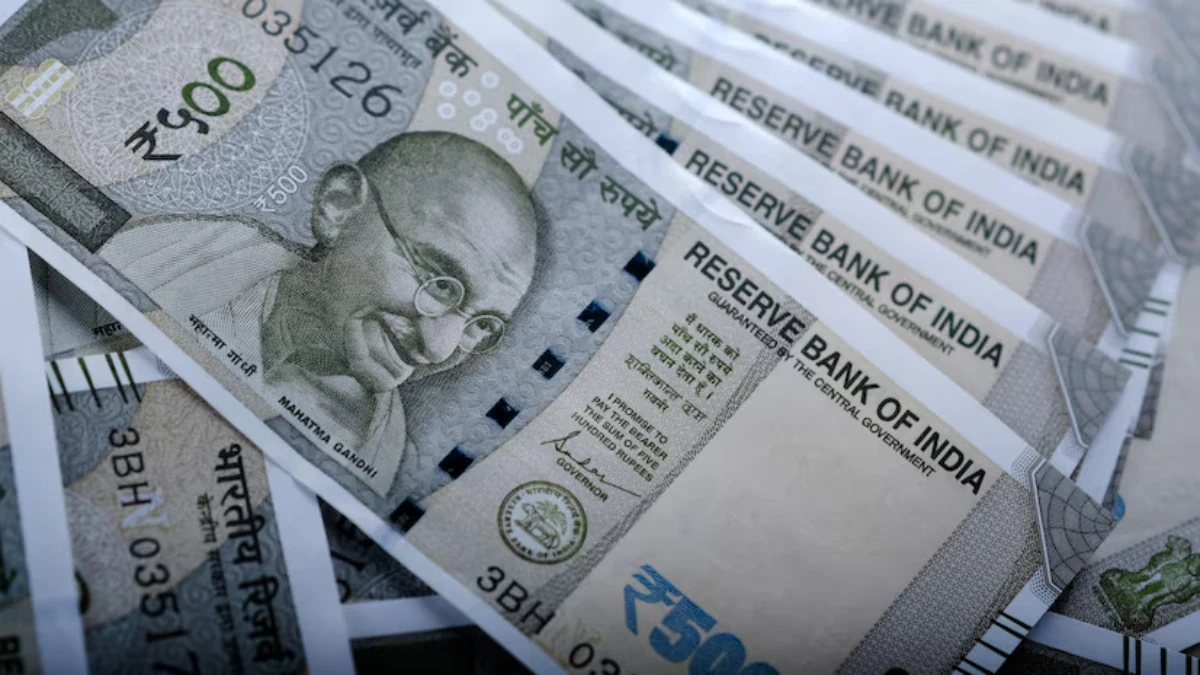
The Indian Rupee has been making headlines lately, and not for the best reasons. Its slide to a record low against the US dollar has sparked concerns, questions, and a whole lot of speculation. But let’s be honest, just knowing that the Rupee is weak isn’t enough. What we really need to understand is why this is happening, how it affects us, and what the future might hold. That’s exactly what we’re going to unpack today. Because understanding the complexities of our currency is not just for economists; it’s crucial for every Indian.
Why is the Rupee Slipping? Unveiling the Culprits
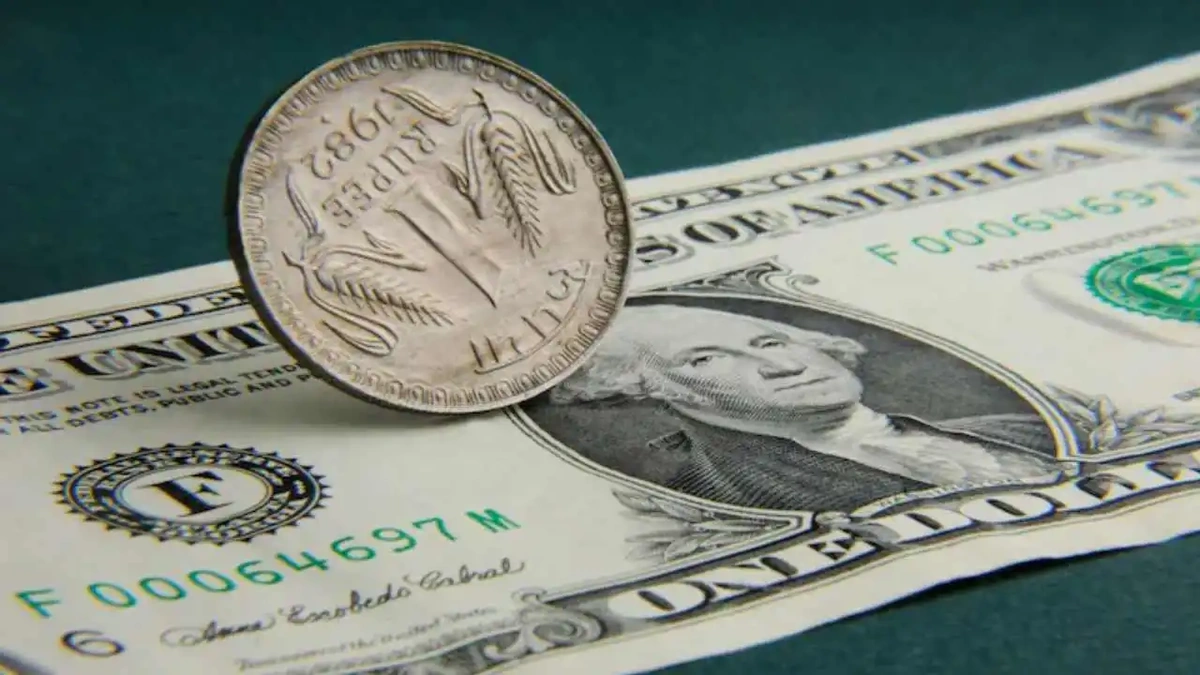
So, the million-dollar question: why is the Indian Rupee depreciation occurring? It’s not a simple answer, but more of a confluence of factors playing out on the global stage. Here’s the thing: it’s rarely ever just one thing! I initially thought it was solely about interest rate differentials, but then I dug deeper. First off, we’ve got the strength of the US dollar. When the US economy looks robust, and the Federal Reserve raises interest rates, investors flock to the dollar, making it stronger. A stronger dollar automatically puts pressure on other currencies, including the Rupee. But there’s more to it than just that.
Global crude oil prices are also a major factor. India imports a significant portion of its oil needs. When oil prices rise, India needs more Rupees to buy the same amount of oil, increasing the demand for dollars and weakening the Rupee. And then there’s the whole global economic uncertainty thing. Events like geopolitical tensions (think conflicts, trade wars) create volatility, and investors tend to seek safe-haven assets like the dollar. This increased demand for the dollar further impacts the Indian currency exchange rate . It’s a domino effect, really. According to recent reports, these factors are expected to persist, adding continued pressure on the Rupee.
The Ripple Effect | How a Weak Rupee Impacts You
Okay, so the Rupee is weak. But how does that affect the average Indian? Well, a weaker Rupee makes imports more expensive. Think about it: if the Rupee is worth less, you need more of it to buy the same imported item. This can lead to inflation, as companies pass on the higher costs to consumers. The price of imported electronics, gadgets, and even some food items could go up. And that hits our pocket directly.
On the other hand, a weaker Rupee can be good for exporters. Indian companies selling goods and services abroad get more Rupees for every dollar they earn. This can boost exports and help the economy. However, the overall impact on you often depends on what you do and what you buy. For example, if you are planning to study abroad , a weaker Rupee means you’ll need to shell out more for tuition fees and living expenses. That’s where you need a financial plan in place. A common mistake I see people make is not factoring in currency fluctuations when planning their budget.
But it’s not all doom and gloom. A weaker Rupee can boost tourism as India becomes a more attractive destination for foreign tourists. More tourists equals more business and jobs. It’s a delicate balancing act. I initially thought this was straightforward, but then I realized the implications are deeply intertwined with our daily lives. Be sure to check out Nifty’s All-Time Highfor more finance news.
Navigating the Future | What’s Next for the Rupee?
Predicting the future of the Indian Rupee is like trying to predict the weather – difficult, but not impossible. Several factors will influence its trajectory. The actions of the Reserve Bank of India (RBI) are crucial. The RBI can intervene in the foreign exchange market by buying or selling dollars to manage the Rupee’s value. Interest rate decisions also play a role. Higher interest rates can attract foreign investment and support the Rupee. But, hiking interest rates too aggressively can stifle economic growth.

Global economic conditions will also continue to be a key driver. If the global economy slows down, or if there’s another major shock, the Rupee could face further pressure. On the other hand, if the Indian economy continues to grow strongly, it could provide some support to the currency. The global financial markets are interlinked. The one thing you absolutely must double-check is news updates from reputable sources.
Expert Opinions and Long-Term Trends
What do the experts say about the long-term prospects of the Rupee? Well, opinions vary. Some analysts believe that the Rupee will continue to face challenges in the near term, citing factors such as the strong dollar and high oil prices. Others are more optimistic, pointing to India’s strong economic growth potential and the RBI’s efforts to manage the currency.
Here’s the thing: long-term trends are often more important than short-term fluctuations. Factors like India’s demographics, its growing middle class, and its increasing integration into the global economy could all support the Rupee over the long haul. But, it’s important to remember that currency movements are complex and unpredictable. It’s best to keep checking the official financial sources for the latest updates. Let me rephrase that for clarity: don’t panic based on every headline you see. Focus on the fundamentals.
Strategies for Indians | Protecting Yourself in a Weak Rupee Environment
So, what can you do to protect yourself in a weak Rupee environment? There are a few strategies to consider. For starters, if you’re planning to travel abroad, it might be a good idea to buy your foreign currency sooner rather than later. You can also consider investing in assets that tend to do well when the Rupee is weak, such as export-oriented companies. Diversifying your investment portfolio is always a good idea. A common mistake I see people make is putting all their eggs in one basket.
And if you’re a business owner, you might want to consider hedging your currency risk. This involves using financial instruments to protect yourself against fluctuations in the exchange rate. It’s a bit complex, but can be worth it if you have significant exposure to foreign currencies. According to recent reports, more and more Indian businesses are exploring hedging strategies to mitigate currency risks. But, remember, no strategy is foolproof. The key is to stay informed and make smart financial decisions. Check out Top 4 Infra Stock With 579100Cr Order Bookfor related news.
FAQ Section
Why is the Indian Rupee falling against the dollar?
Several factors contribute, including a strong US dollar, rising crude oil prices, and global economic uncertainty.
How does a weak Rupee affect me?
It can lead to higher prices for imported goods, potentially causing inflation. It can also make studying abroad more expensive.

Will the Rupee continue to fall?
The future is uncertain, but the RBI’s actions and global economic conditions will play a crucial role.
What can I do to protect myself from a weak Rupee?
Consider buying foreign currency early for travel, diversifying investments, and hedging currency risk if you’re a business owner.
What is Indian currency market doing to fix the Rupee value?
RBI intervenes by buying/selling dollars & adjusting interest rates to manage Rupee volatility .
How do global financial markets impact the Indian Rupee?
Events like geopolitical tensions & economic shocks create volatility, influencing the Rupee’s value.
In conclusion, the Rupee’s record low is a complex issue with far-reaching implications. While the situation is concerning, it’s important to remember that economies are cyclical, and currencies fluctuate. Instead of panicking, focus on understanding the underlying factors, staying informed, and making smart financial decisions. And remember, even in uncertain times, opportunities can arise. It’s all about perspective!
Disclaimer: ऊपर दिए गए विचार और सिफारिशें व्यक्तिगत विश्लेषकों या ब्रोकिंग कंपनियों की हैं, न कि "Finance Ghar" की। हम निवेशकों को सलाह देते हैं कि किसी भी निवेश निर्णय लेने से पहले प्रमाणित विशेषज्ञों से परामर्श करें। निवेश में जोखिम होता है और सही जानकारी के बिना निर्णय लेना हानिकारक हो सकता है।