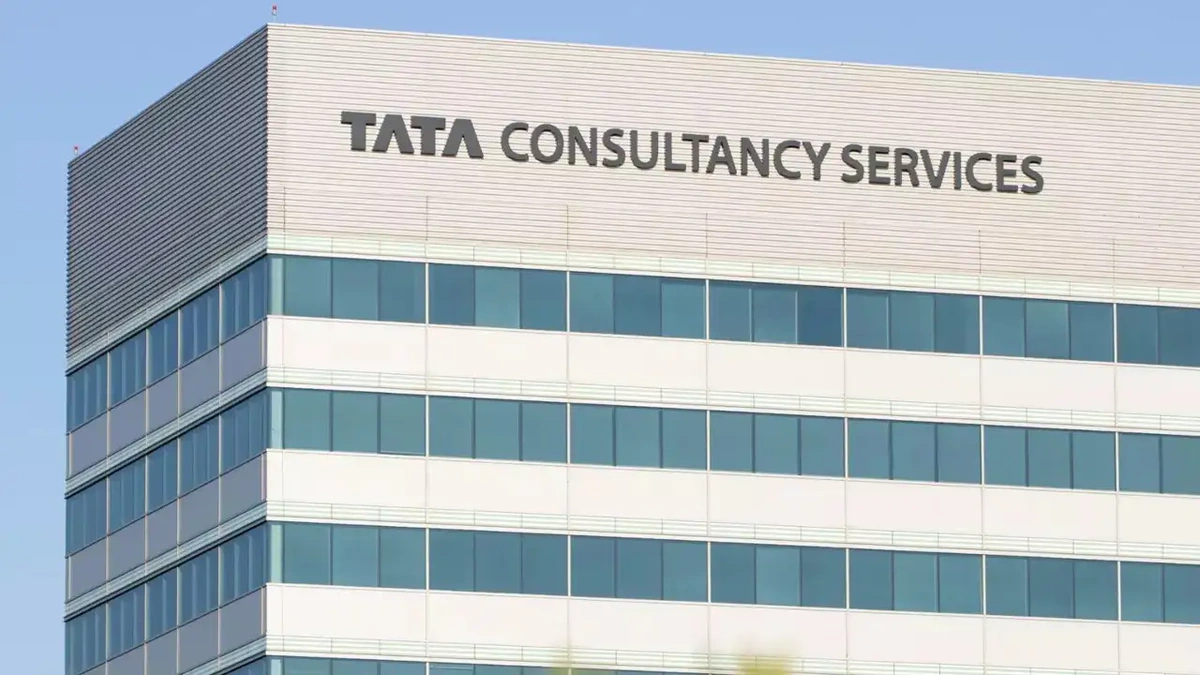
Okay, so TCS , that behemoth of the Indian IT industry, is about to write a pretty hefty check – $194 million to be exact. And the reason? They lost an appeal in a case brought by DXC Technology. Now, that’s the headline. But the real story? It’s not just about the money; it’s about what this says about the current landscape of intellectual property, trade secrets, and the risks involved when talent moves between companies. Let’s dive into the “why” behind this headline because it affects everyone from fresh IT grads to seasoned executives.
The Core of the Dispute | What Exactly Happened?

Let’s be honest, legal battles can be incredibly dense. Here’s the thing: this case isn’t new. It stems from a 2019 lawsuit where DXC Technology accused TCS of misappropriating its trade secrets. The accusation? That TCS used confidential information to develop its own software platform. DXC claimed that TCS hired some of their employees who then brought DXC’s secrets with them. Now, that is a serious charge.
I initially thought this was a straightforward “company A sues company B” situation, but it’s more nuanced. This isn’t just about one company trying to get money from another; it’s about protecting intellectual property. Intellectual property (IP) can include patents, trademarks, and trade secrets. What’s interesting here is that the court sided with DXC. What I mean is, that the court found that TCS had indeed benefited from the misappropriation. They initially awarded DXC $210 million, which was later reduced to $140 million. With interest and other costs, TCS is now on the hook for $194 million.
Why This Matters | More Than Just a Big Number
So, TCS has to pay nearly $200 million. Big deal, right? They’re a massive company. But here’s why this case sends ripples throughout the industry: it sets a precedent. Think of it like this: it’s a very loud message that companies need to be extra careful about how they handle intellectual property, especially when hiring people from competitors.
This also underscores the critical importance of having robust compliance programs. I have seen too many companies, especially in rapidly growing sectors, treat IP protection as an afterthought. This ruling should be a wake-up call. Companies must have clear policies about what new hires can and cannot bring with them from their previous jobs. They also need strong systems to prevent the accidental – or intentional – use of a competitor’s information.
But there’s another layer to this. India’s IT sector thrives on talent mobility. People switch jobs frequently, bringing their skills and experience with them. This ruling forces companies to tread carefully. Where is the line between legitimate skill transfer and the illegal use of trade secrets?
The Indian Perspective | Talent, Trade Secrets, and the Future
India’s IT sector is built on the back of skilled workers. But, the reality is that companies are constantly poaching talent from one another. This ruling adds a layer of complexity. How do you ensure fair competition without stifling innovation and the free movement of talent? It is a tough question, and one that Indian IT companies will need to grapple with.
Now, you might be wondering about the implications for startups. If you are running a startup, it will be tempting to hire experienced people from big companies, and it happens all the time. Just be sure that you are very careful to document everything. Show that the person developed something new, rather than relying on the trade secrets of their previous employer. If not, you might find yourself in trouble.
This situation also brings up the need for clear, enforceable contracts. Non-compete agreements are a legal minefield in India, often difficult to enforce. However, confidentiality agreements are crucial. Companies need to ensure their employees understand what information is confidential and what isn’t.

Looking Ahead | What Does This Mean for TCS and the IT Industry?
For TCS , this is undoubtedly a setback. Not just financially, but also reputationally. However, TCS is a resilient company. They will likely use this experience to strengthen their internal processes and compliance mechanisms. It will probably mean more training for employees and stricter protocols for onboarding new hires. But I also think that litigation costs could increase for major technology companies.
For the broader IT industry, this case serves as a reminder: intellectual property is valuable, and protecting it is non-negotiable. In the rush to innovate and grow, companies cannot afford to cut corners. A robust compliance program, clear contracts, and a culture of respect for intellectual property are essential for long-term success.
The DXC lawsuit sends a very clear message. This is not just about dollars and cents; it’s about the integrity of the entire IT ecosystem. And that’s something we all have a stake in protecting.
As the digital landscape evolves, the emphasis on safeguarding intellectual assets will only intensify. This development underscores the importance of proactive measures to prevent intellectual property theft and highlights the need for robust compliance frameworks within organizations.
The implications of this judgment are far-reaching, affecting everything from employee contracts to corporate governance. It’s a watershed momentthat demands a recalibration of strategies to protect innovation and maintain a competitive edge in the global market. As businesses navigate this evolving landscape, prioritizing ethical practices and legal compliance will be crucial for sustainable growth and success.
The industry will likely see a surge in demand for specialized legal counsel and compliance experts, further driving up the cost of doing business. This will particularly impact smaller firms and startups, which may struggle to afford the necessary resources to protect their intellectual property adequately.
For investors, this case serves as a reminder of the inherent risks associated with the IT sector. While innovation and technological advancements offer lucrative opportunities, they also come with the potential for costly legal battles and reputational damage.
And, it’s a stark reminder that success in the IT world isn’t just about creating cutting-edge technology; it’s also about playing by the rules and respecting the rights of others.
The case underscores the vital need for transparency and accountability in corporate governance.

FAQ Section
Frequently Asked Questions
What exactly were the trade secrets that TCS allegedly misappropriated?
The specifics are complex, but it involves DXC’s software platform used to manage insurance policies.
Could this ruling affect TCS’s ability to hire talent from other companies?
Not directly, but TCS will likely be more cautious about on-boarding employees and screening for potential IP conflicts.
What steps can companies take to prevent similar lawsuits?
Robust compliance programs, clear confidentiality agreements, and employee training are crucial. Companies also need to be careful about hiring practices .
Is this the end of the road for TCS in this case?
Legal options might remain, but further appeals are unlikely to change the outcome significantly.
Will this case affect IT outsourcing from India?
Not likely in the long term, but it may cause companies to scrutinize their outsourcing partners more carefully.
This ruling also emphasizes the need for companies to prioritize ethical business practices. A commitment to integrity and fair competition is not only the right thing to do but also a sound business strategy that can foster long-term success.
The IT industry needs to work towards a culture that values innovation and collaboration while respecting intellectual property rights.
As the industry evolves, it will be crucial for stakeholders to come together and find solutions that promote innovation while protecting the rights of creators and businesses. In summary, the TCS case underscores the need for robust compliance programs and the criticality of protecting intellectual property.It’s a reminder that in the fast-paced world of IT, playing by the rules is just as important as innovation. But it is something you will always need to keep in mind.
Disclaimer: ऊपर दिए गए विचार और सिफारिशें व्यक्तिगत विश्लेषकों या ब्रोकिंग कंपनियों की हैं, न कि "Finance Ghar" की। हम निवेशकों को सलाह देते हैं कि किसी भी निवेश निर्णय लेने से पहले प्रमाणित विशेषज्ञों से परामर्श करें। निवेश में जोखिम होता है और सही जानकारी के बिना निर्णय लेना हानिकारक हो सकता है।